THE ADVENTURE COLLECTIVE® · Independent discovery and booking for outdoor travel

A practical, three-day climb up Huayna Potosí builds acclimatization and technical skills on glacier terrain, delivering sunrise views over La Paz from 6,088 m. Read on for what to expect, how to prepare, and seasonal considerations before your summit bid.
A practical, three-day climb up Huayna Potosí builds acclimatization and technical skills on glacier terrain, delivering sunrise views over La Paz from 6,088 m. Read on for what to expect, how to prepare, and seasonal considerations before your summit bid.
A grey-blue predawn spills across the high plain as you strap on crampons and feel the glacier breathe beneath your boots. On Huayna Potosí the wind has a way of testing resolve—gusts push and then forgive—and the mountain reveals itself in stages: the city lights of La Paz low and tinny, the Milluni lagoon like a cut jewel, then the white spine of the upper glacier rising to nearly 6,100 meters.
Verified experiences and guided adventures in the surrounding area.
Operated by SouthTreks · La Paz, La Paz
A grey-blue predawn spills across the high plain as you strap on crampons and feel the glacier breathe beneath your boots. On Huayna Potosí the wind has a way of testing resolve—gusts push and then forgive—and the mountain reveals itself in stages: the city lights of La Paz low and tinny, the Milluni lagoon like a cut jewel, then the white spine of the upper glacier rising to nearly 6,100 meters.
Named with indigenous words that mean “young” Potosí, the peak sits on the eastern edge of the Cordillera Real and carries a short but dramatic climbing history tied to local Aymara communities and modern Bolivian alpinism. Geologically it’s largely granite capped by perennial ice; recent warming has thinned some routes, making timing and glacier-readiness essential. Culture here is visible in roadside food stalls and in El Alto’s midday markets before you climb—small reminders that the Andes are lived-in as well as climbed.
Practically: this itinerary uses a base camp at ~4,700 m and a high camp around 5,200 m to manage acclimatization, with a predawn summit bid that typically takes 5–7 hours up and 2–3 hours down to high camp. Expect steep snow slopes, crampon-and-axe travel, and guided rope sections. Hydrate, eat salso (salty) snacks, and pace for altitude rather than speed. Footwear with rigid soles, layered insulation, sun protection, and a light first-aid kit are non-negotiable. If you respect the mountain’s altitude and the glacier’s mood, Huayna Potosí offers one of the most direct high‑Andean summits you can realistically attempt from La Paz.
It’s often described as non-technical but is high-altitude glacier travel; beginners with solid acclimatization, a guided team, and basic crampon/axe training can succeed.
Prior alpine experience helps but is not strictly required if you are well-acclimatized and climb with experienced guides providing instruction and rope systems.
Dry season months (May–October) offer more stable weather and firmer snow, improving safety and summit probability—see seasonal notes below.
Many climbers experience mild symptoms; proper acclimatization, slow pace, hydration and communicating with guides are key to management.
SouthTreks operates guided outdoor trips and adventures with an emphasis on safety, stewardship, and memorable experiences.
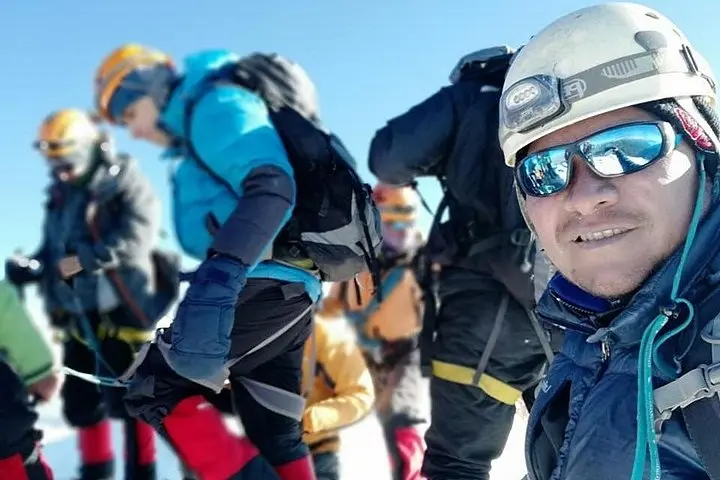
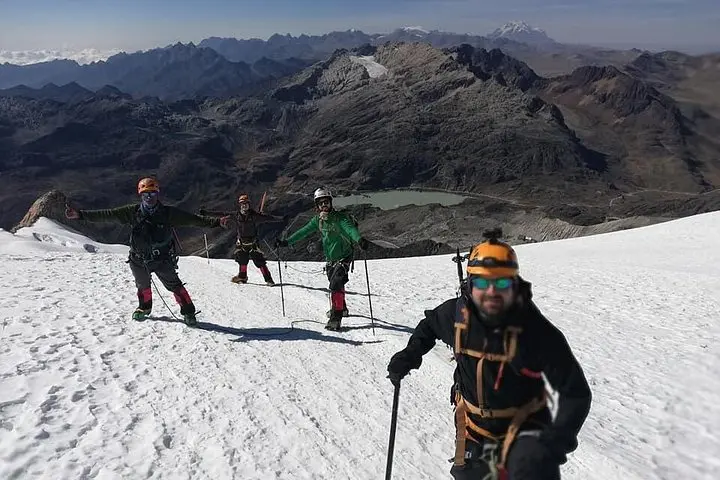
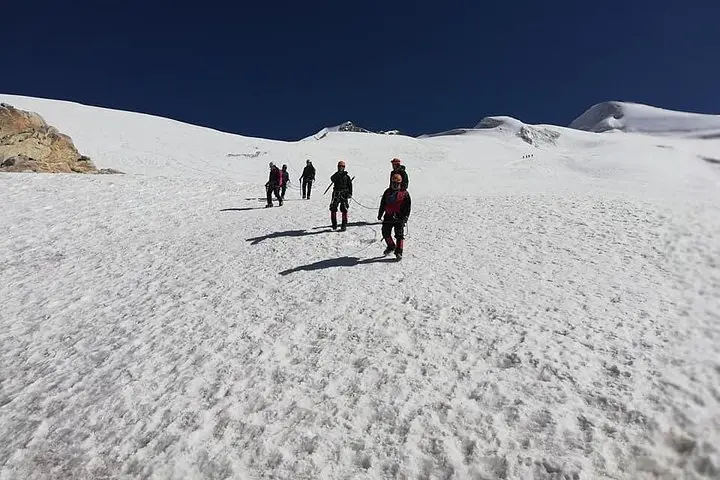
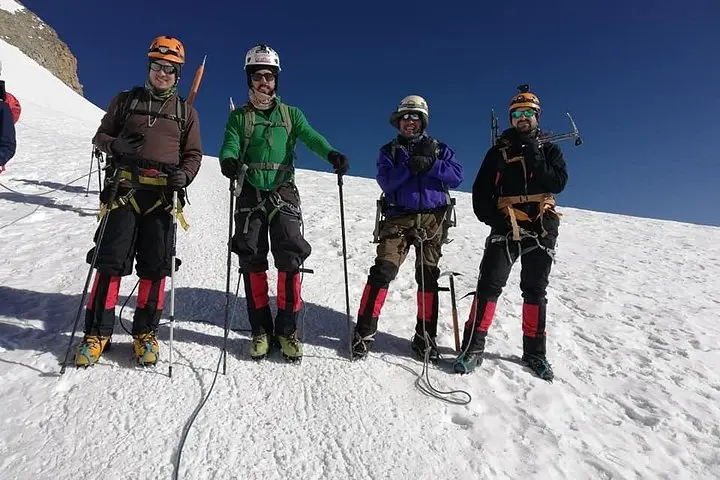
A grey-blue predawn spills across the high plain as you strap on crampons and feel the glacier breathe beneath your boots. On Huayna Potosí the wind has a way of testing resolve—gusts push and then forgive—and the mountain reveals itself in stages: the city lights of La Paz low and tinny, the Milluni lagoon like a cut jewel, then the white spine of the upper glacier rising to nearly 6,100 meters.
A grey-blue predawn spills across the high plain as you strap on crampons and feel the glacier breathe beneath your boots. On Huayna Potosí the wind has a way of testing resolve—gusts push and then forgive—and the mountain reveals itself in stages: the city lights of La Paz low and tinny, the Milluni lagoon like a cut jewel, then the white spine of the upper glacier rising to nearly 6,100 meters.
Named with indigenous words that mean “young” Potosí, the peak sits on the eastern edge of the Cordillera Real and carries a short but dramatic climbing history tied to local Aymara communities and modern Bolivian alpinism. Geologically it’s largely granite capped by perennial ice; recent warming has thinned some routes, making timing and glacier-readiness essential. Culture here is visible in roadside food stalls and in El Alto’s midday markets before you climb—small reminders that the Andes are lived-in as well as climbed.
Practically: this itinerary uses a base camp at ~4,700 m and a high camp around 5,200 m to manage acclimatization, with a predawn summit bid that typically takes 5–7 hours up and 2–3 hours down to high camp. Expect steep snow slopes, crampon-and-axe travel, and guided rope sections. Hydrate, eat salso (salty) snacks, and pace for altitude rather than speed. Footwear with rigid soles, layered insulation, sun protection, and a light first-aid kit are non-negotiable. If you respect the mountain’s altitude and the glacier’s mood, Huayna Potosí offers one of the most direct high‑Andean summits you can realistically attempt from La Paz.