
Hubli to Hampi, Badami & Goa: 8-Day Cultural Route from Ruins to Beaches
Drive a cultural arc from Hubli’s plains through Hampi’s boulder fields and Badami’s cliff-cut temples to Goa’s beaches. This 8-day circuit combines UNESCO sites, Chalukyan architecture and coastal downtime with manageable drives and clear daily rhythms.
An Adventure In Hubli.
Drive a cultural arc from Hubli’s plains through Hampi’s boulder fields and Badami’s cliff-cut temples to Goa’s beaches. This 8-day circuit combines UNESCO sites, Chalukyan architecture and coastal downtime with manageable drives and clear daily rhythms.
Read the full experience
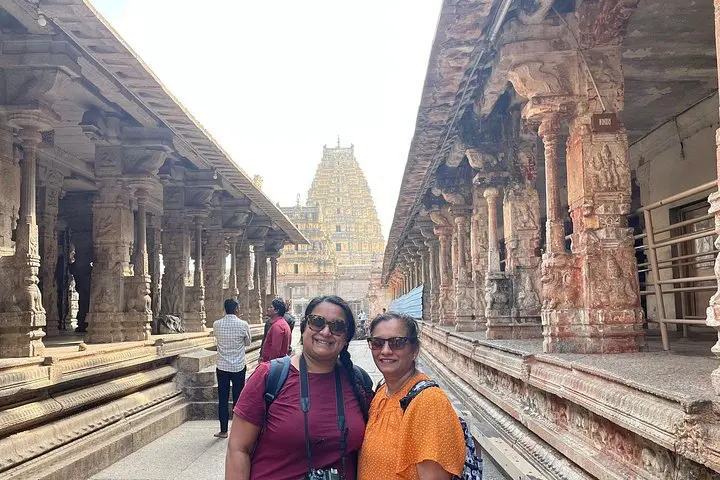
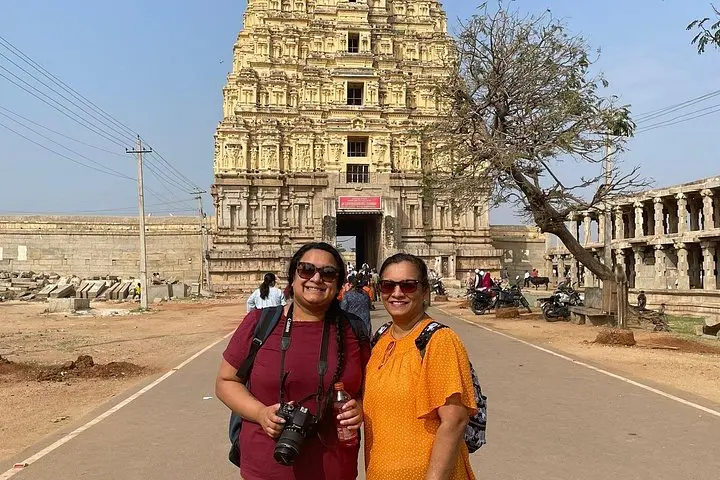
You step out of the air-conditioned van into a landscape where granite boulders loom like carved giants and the Tungabhadra River dares you to follow its braided course. Early morning light lays the Virupaksha Temple in sharp relief; later, red laterite cliffs around Badami catch the sun, and by the end of the week the Arabian Sea cools the heat with a salt breeze on Goa’s sands.
You step out of the air-conditioned van into a landscape where granite boulders loom like carved giants and the Tungabhadra River dares you to follow its braided course. Early morning light lays the Virupaksha Temple in sharp relief; later, red laterite cliffs around Badami catch the sun, and by the end of the week the Arabian Sea cools the heat with a salt breeze on Goa’s sands.
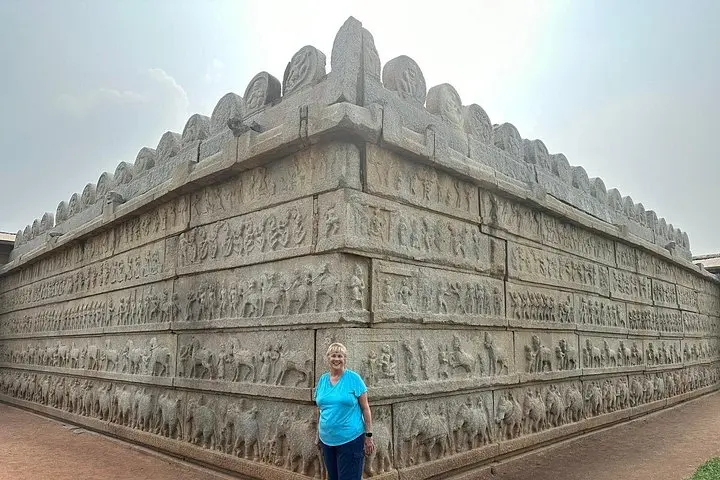
This itinerary threads together eras: Hampi’s ruined bazaars and royal enclosures speak of the Vijayanagara Empire’s peak, while Aihole, Pattadakal and Badami record the Chalukyan experiments in stone that shaped South Indian temple architecture. Geologically, the region is Deccan Plateau—ancient basalt and granite outcrops sculpted by weather and river flow, producing dramatic boulder-strewn fields and sheltered caves.
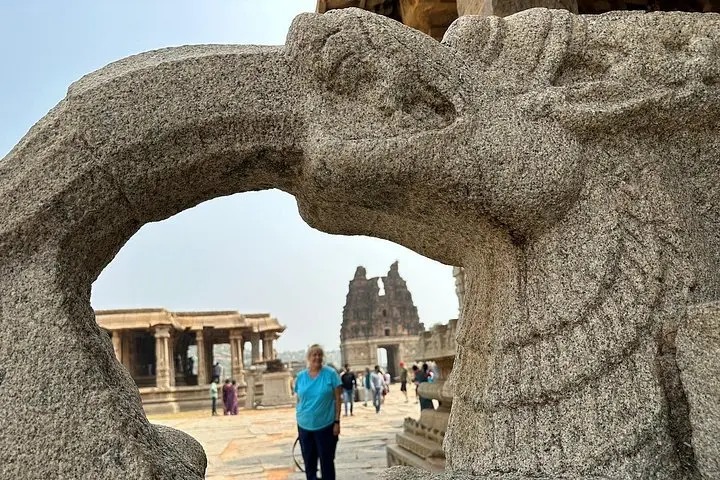
Culturally expect a mix of Kannada rural life, small-market crafts in Hampi Bazaar and Portuguese-influenced churches and cuisine in Goa. Local guides usually weave myth, inscription evidence and practical route advice into tours, illuminating why a carving sits where it does.
Practical guidance: travel by private AC vehicle across long road segments, pack sun protection and sturdy shoes for uneven temple floors, and carry water—some sites have limited facilities. Mornings and late afternoons are best for photography and cooler walks; plan buffer time for short village detours like Lakkundi and Anegundi. Respect protected monuments—stay on marked paths and avoid climbing fragile carvings. With moderate walking and mostly easy logistics, this route rewards travelers who want history, geology and a final week of beaches without complicated transfers.
Frequently asked questions
The tour provides assistance on arrival and private AC transfers as per the program; confirm pickup details when booking.
Monument entrances and activity charges mentioned in the itinerary are included—extra fees for optional activities or camera permits may apply.
Yes — the operator notes infant seats available and stroller access on many days, but expect uneven surfaces at heritage sites that may limit stroller use.
December to February offers the most comfortable temperatures for walking; post-monsoon (Sept–Nov) is also attractive with greener landscapes.
About This Experience
Agora Voyages Pvt. Ltd. operates guided outdoor trips and adventures with an emphasis on safety, stewardship, and memorable experiences.
Adventure tips
Recommended gear
- Sturdy walking shoes: Provides traction on uneven temple stones, boulder paths and occasional slippery steps.
- Sun hat and sunscreen: Protects against strong sun during midday sight-seeing and long drives.
- Refillable water bottle: Useful for staying hydrated between stops—many sites have limited potable water points.
- Light rain shell: Compact waterproof layer for sudden showers, especially useful June–September and for Goa coast wind.
Photos of the experience
Related adventures & guides
Read the full experience
You step out of the air-conditioned van into a landscape where granite boulders loom like carved giants and the Tungabhadra River dares you to follow its braided course. Early morning light lays the Virupaksha Temple in sharp relief; later, red laterite cliffs around Badami catch the sun, and by the end of the week the Arabian Sea cools the heat with a salt breeze on Goa’s sands.
You step out of the air-conditioned van into a landscape where granite boulders loom like carved giants and the Tungabhadra River dares you to follow its braided course. Early morning light lays the Virupaksha Temple in sharp relief; later, red laterite cliffs around Badami catch the sun, and by the end of the week the Arabian Sea cools the heat with a salt breeze on Goa’s sands.
This itinerary threads together eras: Hampi’s ruined bazaars and royal enclosures speak of the Vijayanagara Empire’s peak, while Aihole, Pattadakal and Badami record the Chalukyan experiments in stone that shaped South Indian temple architecture. Geologically, the region is Deccan Plateau—ancient basalt and granite outcrops sculpted by weather and river flow, producing dramatic boulder-strewn fields and sheltered caves.
Culturally expect a mix of Kannada rural life, small-market crafts in Hampi Bazaar and Portuguese-influenced churches and cuisine in Goa. Local guides usually weave myth, inscription evidence and practical route advice into tours, illuminating why a carving sits where it does.
Practical guidance: travel by private AC vehicle across long road segments, pack sun protection and sturdy shoes for uneven temple floors, and carry water—some sites have limited facilities. Mornings and late afternoons are best for photography and cooler walks; plan buffer time for short village detours like Lakkundi and Anegundi. Respect protected monuments—stay on marked paths and avoid climbing fragile carvings. With moderate walking and mostly easy logistics, this route rewards travelers who want history, geology and a final week of beaches without complicated transfers.
Make a day of it nearby.
Verified experiences and guided adventures in the surrounding area.