THE ADVENTURE COLLECTIVE® · Independent discovery and booking for outdoor travel

A nine-day circuit from Hubli combines India’s ancient temple architecture, a Western Ghats tiger reserve and Goa’s beaches. Expect long drives, guided archaeological tours, two jeep safaris in Anshi and relaxed coastal days to finish.
A nine-day circuit from Hubli combines India’s ancient temple architecture, a Western Ghats tiger reserve and Goa’s beaches. Expect long drives, guided archaeological tours, two jeep safaris in Anshi and relaxed coastal days to finish.
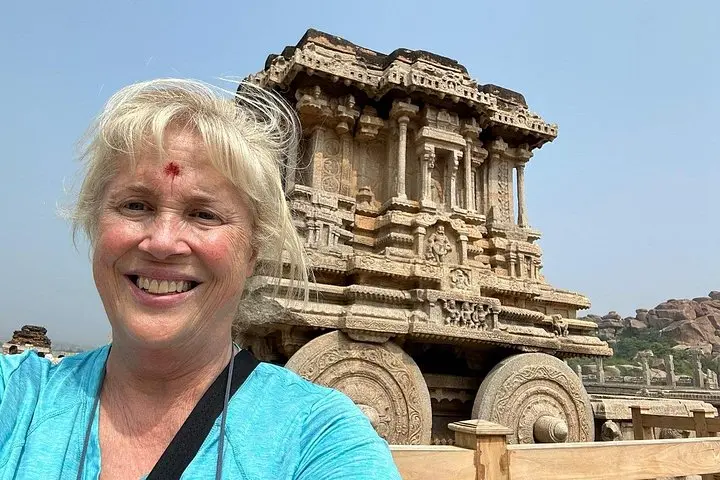
You arrive in Hubli at first light and the road unfurls: scrubby plains give way to red sandstone boulders and the Tungabhadra River daring you toward Hampi's ruined temples. By afternoon the air tastes of dust, incense and sea salt—a strange prelude to the beaches that close the loop in Goa.
Verified experiences and guided adventures in the surrounding area.
Operated by Agora Voyages Pvt. Ltd. · Hospet (Hosapete), Karnataka
You arrive in Hubli at first light and the road unfurls: scrubby plains give way to red sandstone boulders and the Tungabhadra River daring you toward Hampi's ruined temples. By afternoon the air tastes of dust, incense and sea salt—a strange prelude to the beaches that close the loop in Goa.
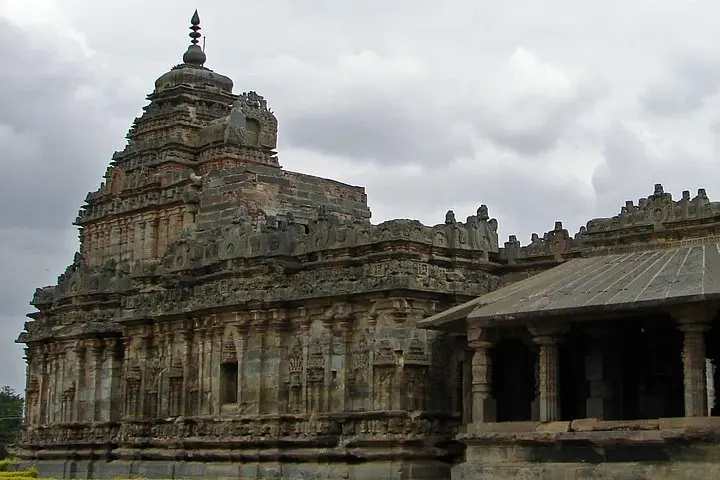
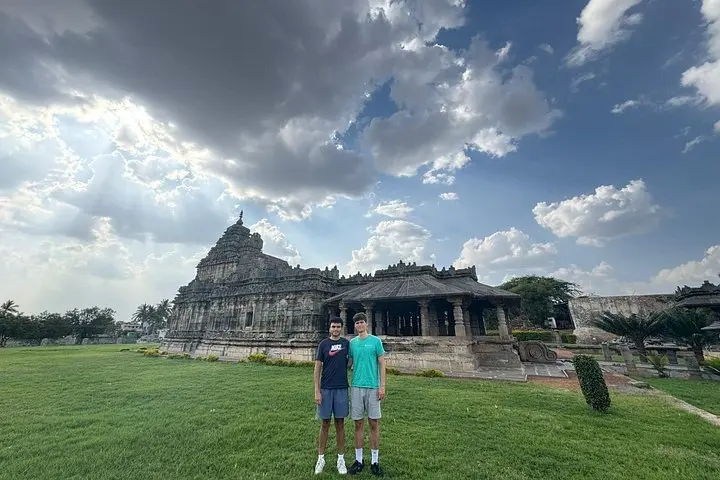
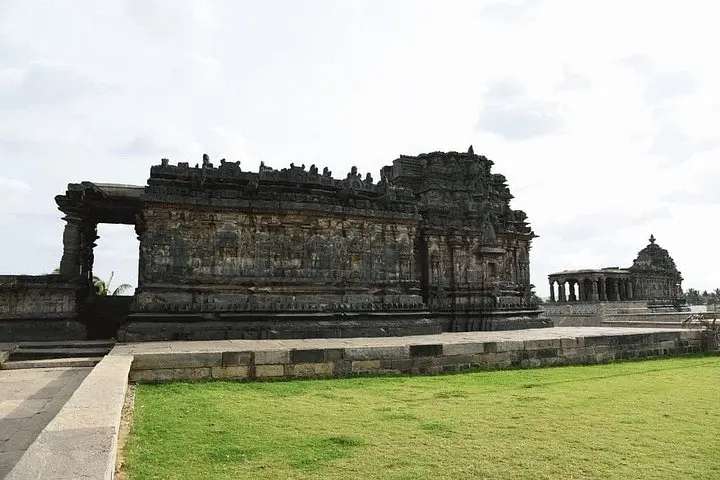
This route threads through two eras: the Chalukyan stonework at Aihole, Pattadakal and Badami—carvings that record 7th–8th century temple craft—then the late-medieval Vijayanagara complex at Hampi, its royal platforms and musical pillars born of volcanic-slab geology. Bijapur offers the Adil Shahi chapter, with Gol Gumbaz’s massive dome demanding a whisper in its gallery. In contrast, Anshi (Kali) Tiger Reserve is living growth: Western Ghats forest, fast streams and seasonal waterfalls that shape wildlife corridors.
Expect long drives (daily transfers up to 4–5 hours), guided walks among archaeological ruins and two shared jeep safaris with forest department naturalists in Anshi. Wildlife sightings are opportunistic—elephants and big cats are present but elusive—while Goa’s coastline provides a low-key cooldown of beaches, forts and Portuguese-era churches.
Practical tips: travel light but robust—breathable layers for heat, sturdy shoes for uneven temple terraces, and a wide-brim hat. Book monument tickets and safaris early; jeep slots are limited and non‑refundable. Carry local currency for small entry fees and market purchases, and schedule temple visits for morning or late afternoon to avoid midday heat. Hydrate on the road, and allow extra time between stops—the landscape invites lingering.
Safaris are included as shared jeep slots but are subject to park availability and cannot be amended; confirm at booking and expect early-morning and late-afternoon windows.
Most temple visits involve 30–120 minute walks across uneven ground and low steps; minimal technical climbing but sturdy shoes recommended.
The itinerary is labeled physically easy overall, but long drives and some uneven walking may be tiring—check mobility needs and request vehicle comfort when booking.
Monument entrances listed in the itinerary are included where specified; small additional fees or local guide charges may apply on-site.
Agora Voyages Pvt. Ltd. operates guided outdoor trips and adventures with an emphasis on safety, stewardship, and memorable experiences.
You arrive in Hubli at first light and the road unfurls: scrubby plains give way to red sandstone boulders and the Tungabhadra River daring you toward Hampi's ruined temples. By afternoon the air tastes of dust, incense and sea salt—a strange prelude to the beaches that close the loop in Goa.
You arrive in Hubli at first light and the road unfurls: scrubby plains give way to red sandstone boulders and the Tungabhadra River daring you toward Hampi's ruined temples. By afternoon the air tastes of dust, incense and sea salt—a strange prelude to the beaches that close the loop in Goa.
This route threads through two eras: the Chalukyan stonework at Aihole, Pattadakal and Badami—carvings that record 7th–8th century temple craft—then the late-medieval Vijayanagara complex at Hampi, its royal platforms and musical pillars born of volcanic-slab geology. Bijapur offers the Adil Shahi chapter, with Gol Gumbaz’s massive dome demanding a whisper in its gallery. In contrast, Anshi (Kali) Tiger Reserve is living growth: Western Ghats forest, fast streams and seasonal waterfalls that shape wildlife corridors.
Expect long drives (daily transfers up to 4–5 hours), guided walks among archaeological ruins and two shared jeep safaris with forest department naturalists in Anshi. Wildlife sightings are opportunistic—elephants and big cats are present but elusive—while Goa’s coastline provides a low-key cooldown of beaches, forts and Portuguese-era churches.
Practical tips: travel light but robust—breathable layers for heat, sturdy shoes for uneven temple terraces, and a wide-brim hat. Book monument tickets and safaris early; jeep slots are limited and non‑refundable. Carry local currency for small entry fees and market purchases, and schedule temple visits for morning or late afternoon to avoid midday heat. Hydrate on the road, and allow extra time between stops—the landscape invites lingering.