THE ADVENTURE COLLECTIVE® · Independent discovery and booking for outdoor travel

A three-day trek from Cusco to Machu Picchu via Huchuy Qosqo that crosses high Andean passes, visits a compact Inca site, and finishes with entry to the citadel—ideal for trekkers acclimatized to altitude.
A three-day trek from Cusco to Machu Picchu via Huchuy Qosqo that crosses high Andean passes, visits a compact Inca site, and finishes with entry to the citadel—ideal for trekkers acclimatized to altitude.
Dawn over the high Andes feels thin and bright: the group sets off from Cusco, private transport dropping you at Tambo Machay, where stone fountains and terraces mark the edge of civilization.
Verified experiences and guided adventures in the surrounding area.
Operated by SAQRA'S TREK AUQUI PERU · Cusco, Cusco
Dawn over the high Andes feels thin and bright: the group sets off from Cusco, private transport dropping you at Tambo Machay, where stone fountains and terraces mark the edge of civilization.
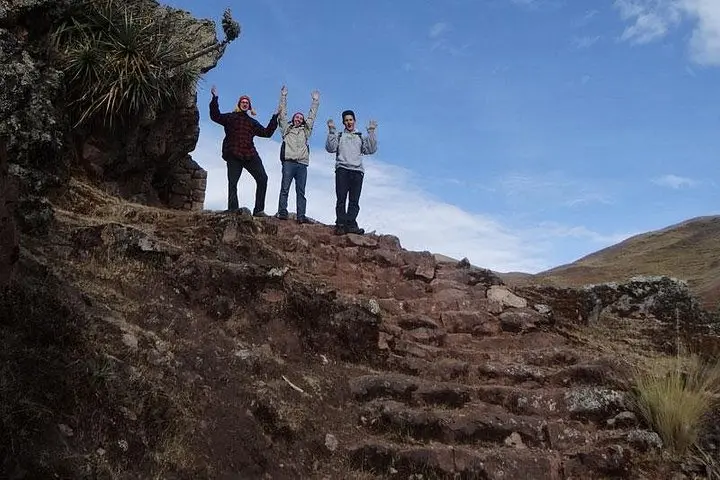
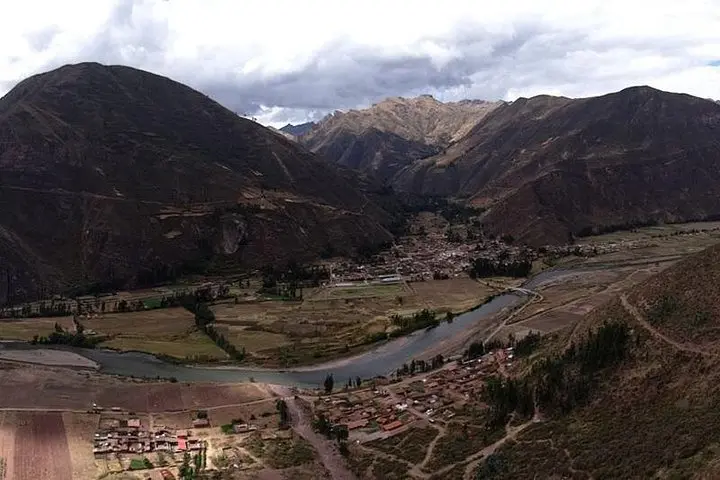
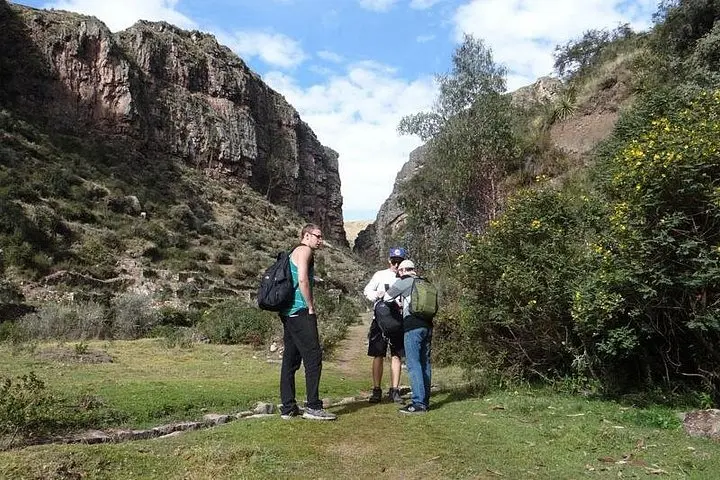
The route climbs steadily into puna grasslands, skirts glacial-fed lakes and crosses four easy but sustained passes, the highest around 4,350 m. On day one the trail moves through potato fields where campesino families tend terraces; llamas and alpacas punctuate the slopes. Huchuy Qosqo—literally “Small Cusco”—is a compact Inca settlement with agricultural terraces and carved niches that hint at administrative links to the capital. The descent into the Sacred Valley is steep and occasionally slippery, cutting through a narrow canyon before arriving at Lamay and the train to Aguas Calientes.
Geologically, the trek cuts across uplifted volcanic and metamorphic rock; soils are thin and streams rush quickly from the high puna. Culturally the path follows ancient exchange routes, and Quechua-speaking farmers still work many of the same plots.
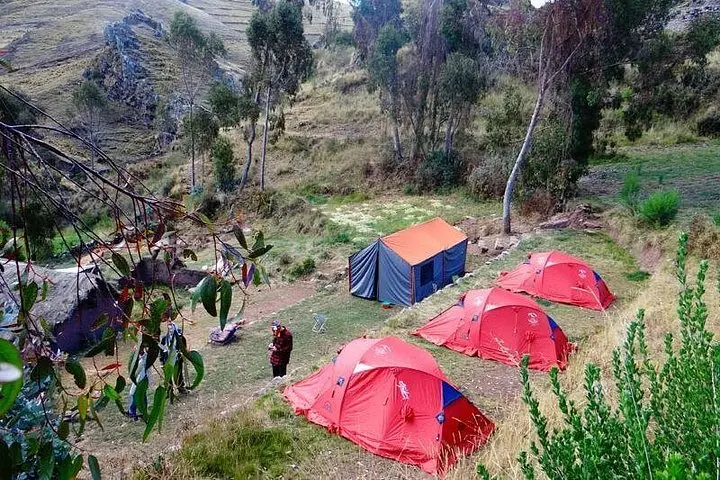
Practical guidance: allow time to acclimatize in Cusco beforehand, hike in the morning when weather is most stable, and expect wet conditions outside May–September. Camps are provided with dining tents and cooked meals; the operator supplies tents, mattresses and a sleeping bag, and you return by train from Ollantaytambo to Cusco after a morning in Machu Picchu. Bring layered clothing, waterproof boots, and a sense of patience for high-altitude walking—this is moderate trekking by Andean standards but rewarding for those who arrive prepared.
Yes—this itinerary includes Machu Picchu entrance and the return train from Aguas Calientes to Ollantaytambo.
Daily walking includes sustained climbs and a long descent; overall difficulty is moderate but requires acclimatization and steady fitness.
Camping is provided on nights one and two with dining tents and mattresses; the second night is in a hotel in Aguas Calientes with private bathroom and hot water.
Prior experience is helpful but not required; travelers should be in good cardiovascular health and allow time in Cusco to acclimatize.
SAQRA'S TREK AUQUI PERU operates guided outdoor trips and adventures with an emphasis on safety, stewardship, and memorable experiences.
Dawn over the high Andes feels thin and bright: the group sets off from Cusco, private transport dropping you at Tambo Machay, where stone fountains and terraces mark the edge of civilization.
Dawn over the high Andes feels thin and bright: the group sets off from Cusco, private transport dropping you at Tambo Machay, where stone fountains and terraces mark the edge of civilization.
The route climbs steadily into puna grasslands, skirts glacial-fed lakes and crosses four easy but sustained passes, the highest around 4,350 m. On day one the trail moves through potato fields where campesino families tend terraces; llamas and alpacas punctuate the slopes. Huchuy Qosqo—literally “Small Cusco”—is a compact Inca settlement with agricultural terraces and carved niches that hint at administrative links to the capital. The descent into the Sacred Valley is steep and occasionally slippery, cutting through a narrow canyon before arriving at Lamay and the train to Aguas Calientes.
Geologically, the trek cuts across uplifted volcanic and metamorphic rock; soils are thin and streams rush quickly from the high puna. Culturally the path follows ancient exchange routes, and Quechua-speaking farmers still work many of the same plots.
Practical guidance: allow time to acclimatize in Cusco beforehand, hike in the morning when weather is most stable, and expect wet conditions outside May–September. Camps are provided with dining tents and cooked meals; the operator supplies tents, mattresses and a sleeping bag, and you return by train from Ollantaytambo to Cusco after a morning in Machu Picchu. Bring layered clothing, waterproof boots, and a sense of patience for high-altitude walking—this is moderate trekking by Andean standards but rewarding for those who arrive prepared.