THE ADVENTURE COLLECTIVE® · Independent discovery and booking for outdoor travel

A brisk, private 2-day trek that links Huchuy Qosqo’s high terraces with Machu Picchu’s mountain citadel. Expect 4–5 hours of hiking through Sacred Valley landscapes, cultural encounters with campesino communities, and a guided Machu Picchu visit.
A brisk, private 2-day trek that links Huchuy Qosqo’s high terraces with Machu Picchu’s mountain citadel. Expect 4–5 hours of hiking through Sacred Valley landscapes, cultural encounters with campesino communities, and a guided Machu Picchu visit.
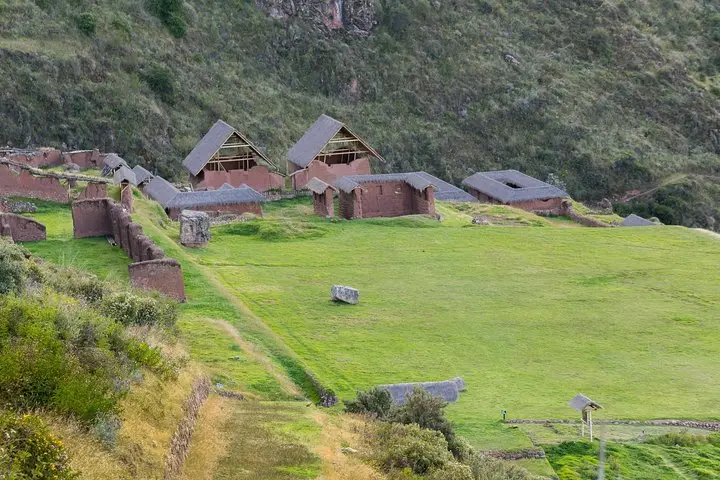
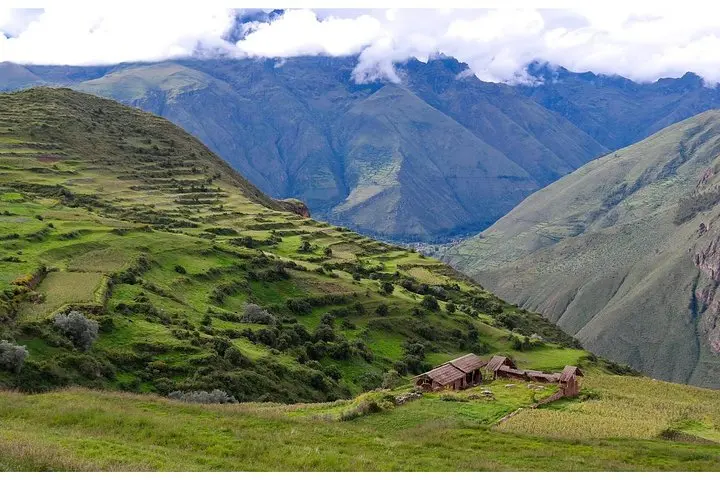
You start before dawn on a narrow trail above the Sacred Valley, clouds brushing the terraces like a sleeve being pulled back. The air is thin and cool; llamas watch you cross stone steps that slope toward higher ridgelines. The first day’s 4–5 hour hike climbs between 2,050–4,050 m, moving from cultivated valley to the exposed plateau where Huchuy Qosqo perches.
Verified experiences and guided adventures in the surrounding area.
Operated by Peru4Fun Servicios Turísticos EIRL · Aguas Calientes (Machupicchu Pueblo), Cusco
You start before dawn on a narrow trail above the Sacred Valley, clouds brushing the terraces like a sleeve being pulled back. The air is thin and cool; llamas watch you cross stone steps that slope toward higher ridgelines. The first day’s 4–5 hour hike climbs between 2,050–4,050 m, moving from cultivated valley to the exposed plateau where Huchuy Qosqo perches.
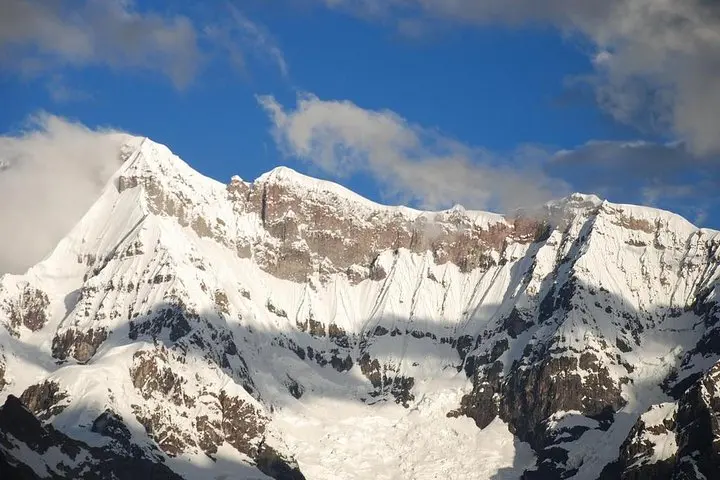
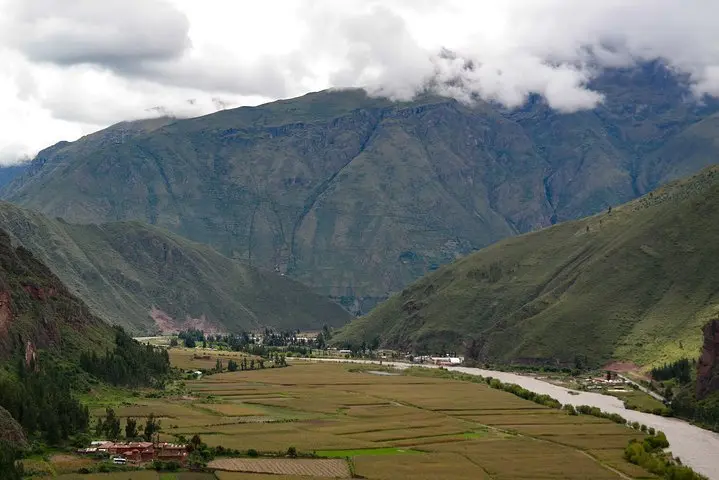
Huchuy Qosqo—“small Cusco”—was expanded under Inca rulers as a strategic outpost and retreat; from its terraces the Cordillera de Vilcanota appears as a row of jagged, snow-capped guardians. Geologically the route threads Pleistocene uplift and river-cut valleys carved by the Urubamba; soils switch from alluvial fields to thin, rocky Andean slopes. Local campesino communities still farm with terraces and alpaca herds, and guides often share Quechua place-names and oral histories that tie the ridgelines to Wiracocha-era stories.
On day two you descend toward Ollantaytambo and catch the train to Aguas Calientes for a sunrise or mid-morning visit to Machu Picchu—stone masonry without mortar sitting atop a mountain, revealed to the wider world in 1911.
Practical edge: acclimatize in Cusco for 48 hours, carry layers for rapid temperature swings, and expect loose scree and stepped Inca causeways. Permit-controlled sites mean buy tickets in advance; the trip includes hotel, transfers, guide, and train. Hydrate, use sun protection, and pack a compact rain shell—weather can flip from sun to squall within an hour. This two-day trek balances remote mountain character with managed access to one of the world’s most iconic archaeological landscapes.
Machu Picchu tickets and train seats must be purchased in advance; Huchuy Qosqo is typically included on guided itineraries—confirm with the operator.
Spend 1–2 nights in Cusco, stay well hydrated, avoid alcohol on arrival, and consider acetazolamide if advised by a physician.
Moderate fitness—regular walkers who can handle 4–5 hours of uphill hiking at altitude will be comfortable.
The package includes one hotel night in Machupicchu (Aguas Calientes) at a 3–4 star property; no camping required.
Peru4Fun Servicios Turísticos EIRL operates guided outdoor trips and adventures with an emphasis on safety, stewardship, and memorable experiences.
You start before dawn on a narrow trail above the Sacred Valley, clouds brushing the terraces like a sleeve being pulled back. The air is thin and cool; llamas watch you cross stone steps that slope toward higher ridgelines. The first day’s 4–5 hour hike climbs between 2,050–4,050 m, moving from cultivated valley to the exposed plateau where Huchuy Qosqo perches.
You start before dawn on a narrow trail above the Sacred Valley, clouds brushing the terraces like a sleeve being pulled back. The air is thin and cool; llamas watch you cross stone steps that slope toward higher ridgelines. The first day’s 4–5 hour hike climbs between 2,050–4,050 m, moving from cultivated valley to the exposed plateau where Huchuy Qosqo perches.
Huchuy Qosqo—“small Cusco”—was expanded under Inca rulers as a strategic outpost and retreat; from its terraces the Cordillera de Vilcanota appears as a row of jagged, snow-capped guardians. Geologically the route threads Pleistocene uplift and river-cut valleys carved by the Urubamba; soils switch from alluvial fields to thin, rocky Andean slopes. Local campesino communities still farm with terraces and alpaca herds, and guides often share Quechua place-names and oral histories that tie the ridgelines to Wiracocha-era stories.
On day two you descend toward Ollantaytambo and catch the train to Aguas Calientes for a sunrise or mid-morning visit to Machu Picchu—stone masonry without mortar sitting atop a mountain, revealed to the wider world in 1911.
Practical edge: acclimatize in Cusco for 48 hours, carry layers for rapid temperature swings, and expect loose scree and stepped Inca causeways. Permit-controlled sites mean buy tickets in advance; the trip includes hotel, transfers, guide, and train. Hydrate, use sun protection, and pack a compact rain shell—weather can flip from sun to squall within an hour. This two-day trek balances remote mountain character with managed access to one of the world’s most iconic archaeological landscapes.