THE ADVENTURE COLLECTIVE® · Independent discovery and booking for outdoor travel

Cruise the Perfume River, step through the gates of the Imperial City and visit the ornate royal tombs on a full-day Hue tour. This guide explains what you’ll see, how to prepare for a long day of walking, and local insights to make the most of the experience.
Cruise the Perfume River, step through the gates of the Imperial City and visit the ornate royal tombs on a full-day Hue tour. This guide explains what you’ll see, how to prepare for a long day of walking, and local insights to make the most of the experience.
The Perfume River slips past the boat as the city wakes—soft engine hum, fishermen casting, and the layered roofs of Thien Mu Pagoda peering through morning mist. On a dragon boat you move upriver toward the citadel; the current nudges you forward, the city’s history pressing close on both banks.
Verified experiences and guided adventures in the surrounding area.
Operated by Daily Travel · Hue, Thua Thien-Hue
The Perfume River slips past the boat as the city wakes—soft engine hum, fishermen casting, and the layered roofs of Thien Mu Pagoda peering through morning mist. On a dragon boat you move upriver toward the citadel; the current nudges you forward, the city’s history pressing close on both banks.
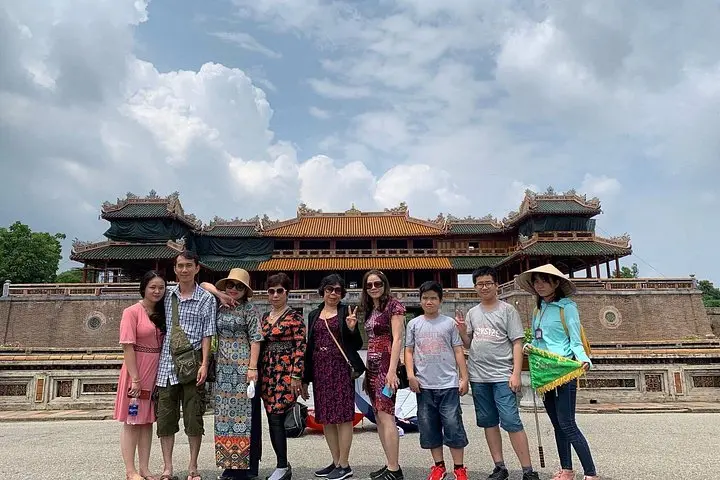
Hue was the capital of Vietnam under the Nguyen dynasty (1802–1945). The Imperial City and its palaces, gates and moat were built as a political and ceremonial center; nearby, ornate tombs like Minh Mang and Khai Dinh combine classical Vietnamese forms with Chinese and European influence. Geologically, the flat coastal plain around Hue is fed by the Huong (Perfume) River and backed by low karst and limestone ridges to the south, which frame the compact city and its royal compounds.
Cultural notes: expect Buddhist shrines, royal inscriptions, and quiet garden houses where local crafts and culinary traditions persist. Vong Canh Hill offers a clear view east over the river at sunset—an easy vantage to read the city’s scale.
Practical guidance: this is a full-day shared itinerary (about 8–10 hours) with several short walks on uneven stone and tiled surfaces; bring comfortable walking shoes, sun protection and a light rain layer in monsoon season. Entrance fees and lunch are usually included, but carry cash for tips and small purchases. Start early to avoid midday heat, and allow 45–60 minutes at major tombs for photography and walking. Respect dress codes at pagodas and archaeological sites: shoulders and knees covered, stay on marked paths to protect fragile architecture.
Yes—pickup is typically provided from Hue city hotels, Phu Bai Airport or Chan May Port; confirm your pickup point when booking.
Most full-day packages include entrance fees to the Imperial City and listed tombs plus a local lunch, but bring small cash for incidental expenses.
The tour is family-friendly but requires moderate walking; older travelers should be comfortable with steps and longer days—notify the operator of mobility needs.
Shared tours follow a set schedule; private or custom arrangements may be possible but require advance booking and may incur extra cost.
Daily Travel operates guided outdoor trips and adventures with an emphasis on safety, stewardship, and memorable experiences.

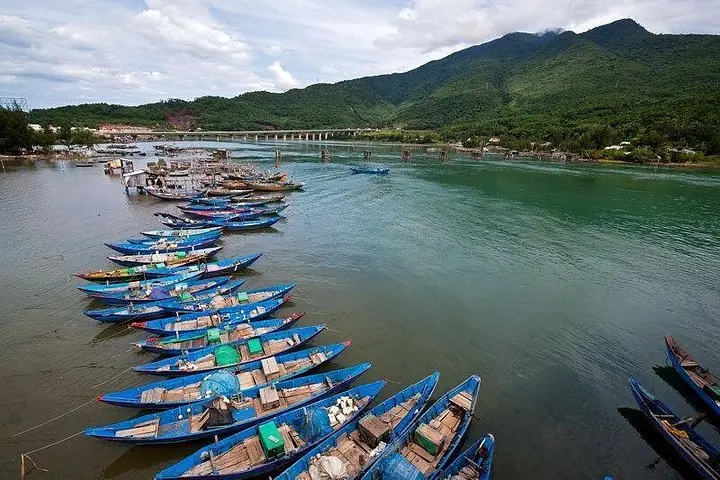

The Perfume River slips past the boat as the city wakes—soft engine hum, fishermen casting, and the layered roofs of Thien Mu Pagoda peering through morning mist. On a dragon boat you move upriver toward the citadel; the current nudges you forward, the city’s history pressing close on both banks.
The Perfume River slips past the boat as the city wakes—soft engine hum, fishermen casting, and the layered roofs of Thien Mu Pagoda peering through morning mist. On a dragon boat you move upriver toward the citadel; the current nudges you forward, the city’s history pressing close on both banks.
Hue was the capital of Vietnam under the Nguyen dynasty (1802–1945). The Imperial City and its palaces, gates and moat were built as a political and ceremonial center; nearby, ornate tombs like Minh Mang and Khai Dinh combine classical Vietnamese forms with Chinese and European influence. Geologically, the flat coastal plain around Hue is fed by the Huong (Perfume) River and backed by low karst and limestone ridges to the south, which frame the compact city and its royal compounds.
Cultural notes: expect Buddhist shrines, royal inscriptions, and quiet garden houses where local crafts and culinary traditions persist. Vong Canh Hill offers a clear view east over the river at sunset—an easy vantage to read the city’s scale.
Practical guidance: this is a full-day shared itinerary (about 8–10 hours) with several short walks on uneven stone and tiled surfaces; bring comfortable walking shoes, sun protection and a light rain layer in monsoon season. Entrance fees and lunch are usually included, but carry cash for tips and small purchases. Start early to avoid midday heat, and allow 45–60 minutes at major tombs for photography and walking. Respect dress codes at pagodas and archaeological sites: shoulders and knees covered, stay on marked paths to protect fragile architecture.