THE ADVENTURE COLLECTIVE® · Independent discovery and booking for outdoor travel

Spend a thoughtful day on the Perfume River and through Hue’s imperial past. This small-group tour stitches dragon-boat cruising, royal tombs and markets into a compact cultural route with practical local guidance.
Spend a thoughtful day on the Perfume River and through Hue’s imperial past. This small-group tour stitches dragon-boat cruising, royal tombs and markets into a compact cultural route with practical local guidance.
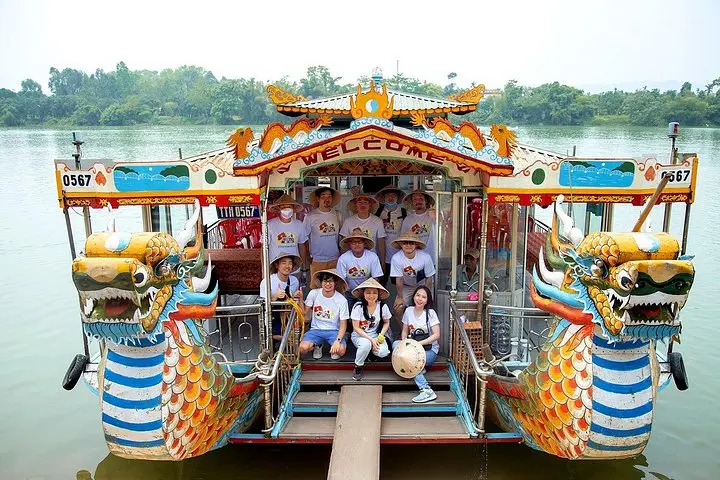
Morning light slices across the Perfume River as wooden boats drift like slow thoughts, and the city of Hue opens itself one monument at a time. You’ll step onto a dragon boat at the quay, the current nudging you past fishermen, low riverbanks and the silhouette of Thien Mu Pagoda perched on a green rise—a quiet introduction to a day that balances waterways and concrete history.
Verified experiences and guided adventures in the surrounding area.
Operated by VM Travel · Hue, Thua Thien-Hue
Morning light slices across the Perfume River as wooden boats drift like slow thoughts, and the city of Hue opens itself one monument at a time. You’ll step onto a dragon boat at the quay, the current nudging you past fishermen, low riverbanks and the silhouette of Thien Mu Pagoda perched on a green rise—a quiet introduction to a day that balances waterways and concrete history.
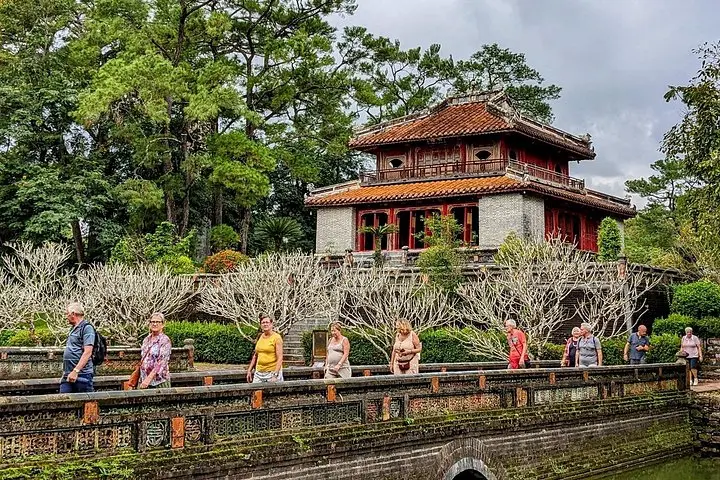
Hue was the seat of the Nguyen emperors from the early 19th century until 1945; its citadel, tombs and pagodas map political rituals and funerary spectacle. Granite, tile and glazed mosaics mark imperial ambition at Khai Dinh and Minh Mang tombs, while the citadel’s moats and gated courtyards reflect military geometry and Confucian order. The city sits on a flat alluvial plain where the Perfume River channels sediment from upstream highlands, shaping rice fields and market life along its banks.
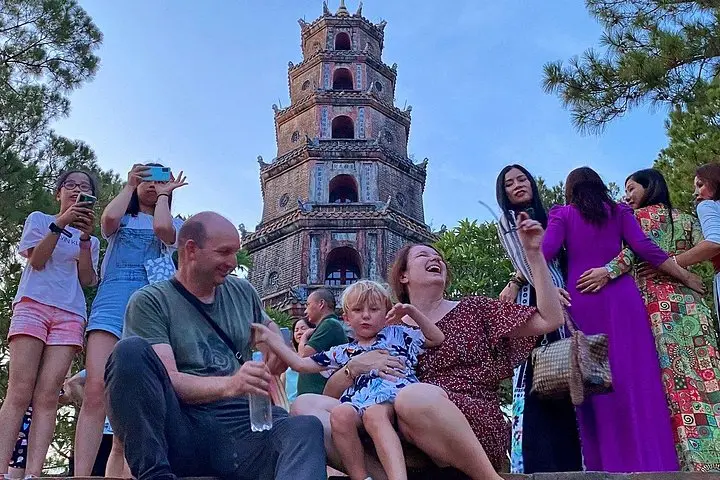
Culture here is public and tactile: vendors in Dong Ba Market press fruit into your hands, monks chant at Thien Mu, and local dishes—composed of delicate broths and steamed rice cakes—test the idea that cuisine is living history.
Practically, expect a full eight-hour rhythm of walking, short climbs and river time. Dress respectfully for religious sites (shoulders and knees covered). Bring sun protection and a light waterproof; tropical squalls are common. Your guide will handle admissions, but wear comfortable shoes for uneven stone and steps. Timing your visit for morning light at the river and afternoon at the tombs gives the best photos and cooler walking conditions.
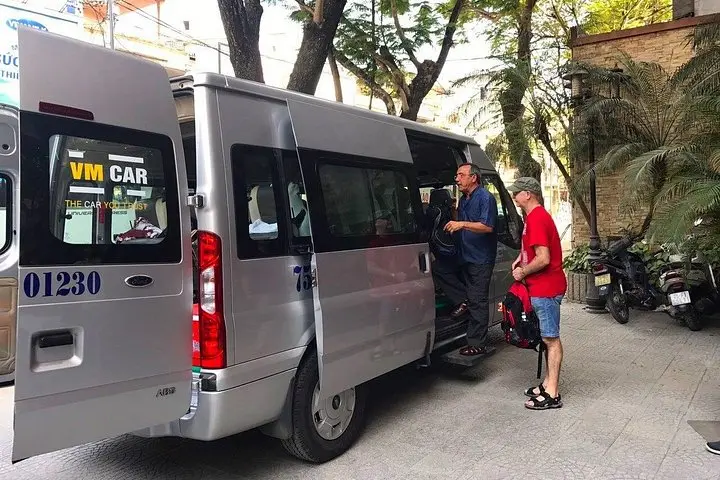
Yes—hotel pickup and drop-off are included; pickups generally begin 15–30 minutes before the listed start time.
Lunch with Hue local food is provided on the tour and bottled water is supplied during the day.
No shorts or sleeveless tops; knees and shoulders must be covered for both men and women to enter pagodas and selected museums.
Infant seats are available and the tour is suitable for all fitness levels, but confirm pickup needs when booking.
VM Travel operates guided outdoor trips and adventures with an emphasis on safety, stewardship, and memorable experiences.
Morning light slices across the Perfume River as wooden boats drift like slow thoughts, and the city of Hue opens itself one monument at a time. You’ll step onto a dragon boat at the quay, the current nudging you past fishermen, low riverbanks and the silhouette of Thien Mu Pagoda perched on a green rise—a quiet introduction to a day that balances waterways and concrete history.
Morning light slices across the Perfume River as wooden boats drift like slow thoughts, and the city of Hue opens itself one monument at a time. You’ll step onto a dragon boat at the quay, the current nudging you past fishermen, low riverbanks and the silhouette of Thien Mu Pagoda perched on a green rise—a quiet introduction to a day that balances waterways and concrete history.
Hue was the seat of the Nguyen emperors from the early 19th century until 1945; its citadel, tombs and pagodas map political rituals and funerary spectacle. Granite, tile and glazed mosaics mark imperial ambition at Khai Dinh and Minh Mang tombs, while the citadel’s moats and gated courtyards reflect military geometry and Confucian order. The city sits on a flat alluvial plain where the Perfume River channels sediment from upstream highlands, shaping rice fields and market life along its banks.
Culture here is public and tactile: vendors in Dong Ba Market press fruit into your hands, monks chant at Thien Mu, and local dishes—composed of delicate broths and steamed rice cakes—test the idea that cuisine is living history.
Practically, expect a full eight-hour rhythm of walking, short climbs and river time. Dress respectfully for religious sites (shoulders and knees covered). Bring sun protection and a light waterproof; tropical squalls are common. Your guide will handle admissions, but wear comfortable shoes for uneven stone and steps. Timing your visit for morning light at the river and afternoon at the tombs gives the best photos and cooler walking conditions.