
Hue to DMZ Tour: Vinh Moc Tunnels & Khe Sanh Combat Base Day Trip
Trace the DMZ from Hue to Quang Tri on a full-day tour that connects Vinh Moc’s tunnel village, Khe Sanh Combat Base, and the symbolic Hien Luong Bridge. Expect long driving stretches, narrow tunnels, and deeply human stories told on site.
An Adventure In Hue.
Trace the DMZ from Hue to Quang Tri on a full-day tour that connects Vinh Moc’s tunnel village, Khe Sanh Combat Base, and the symbolic Hien Luong Bridge. Expect long driving stretches, narrow tunnels, and deeply human stories told on site.
Read the full experience
A low, humid wind from the South China Sea pushes across the coastal plain as the minivan peels away from Hue’s old city. Roadside palms lean like spectators while the landscape flattens toward Quang Tri: rice paddies, rusted bunkers, and the slow curve of the Ben Hai River that once marked a country divided.
A low, humid wind from the South China Sea pushes across the coastal plain as the minivan peels away from Hue’s old city. Roadside palms lean like spectators while the landscape flattens toward Quang Tri: rice paddies, rusted bunkers, and the slow curve of the Ben Hai River that once marked a country divided.
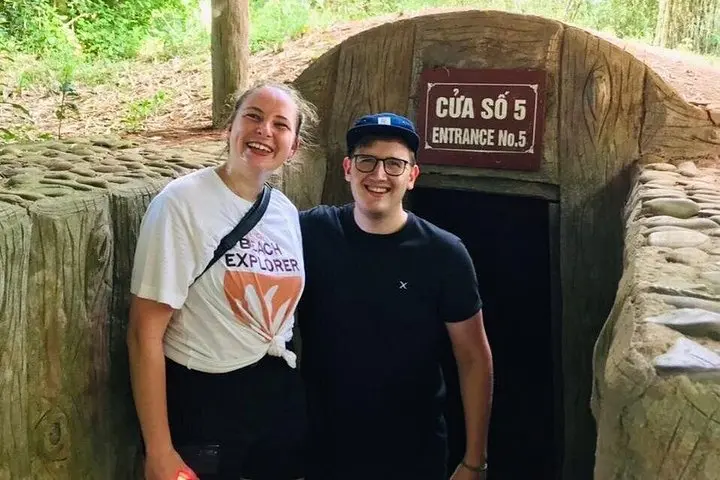
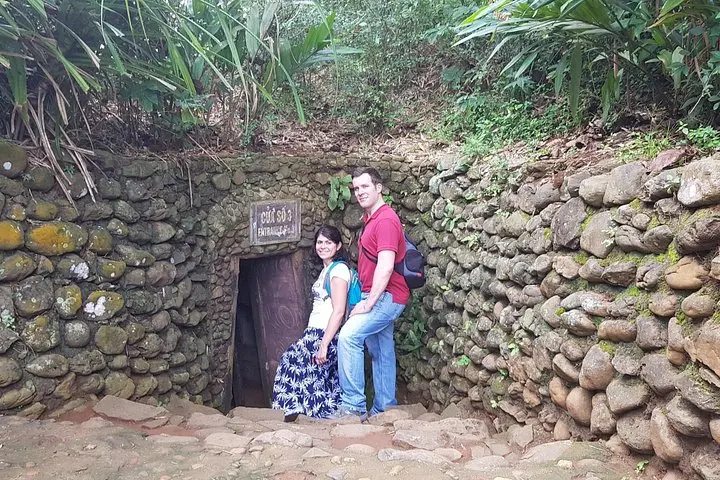
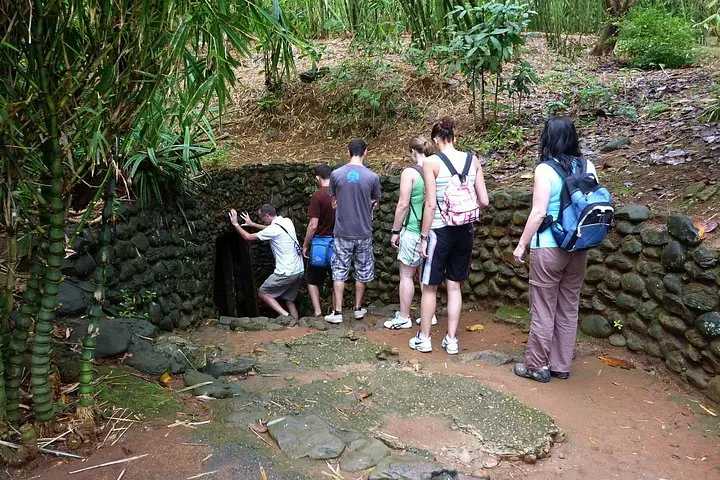
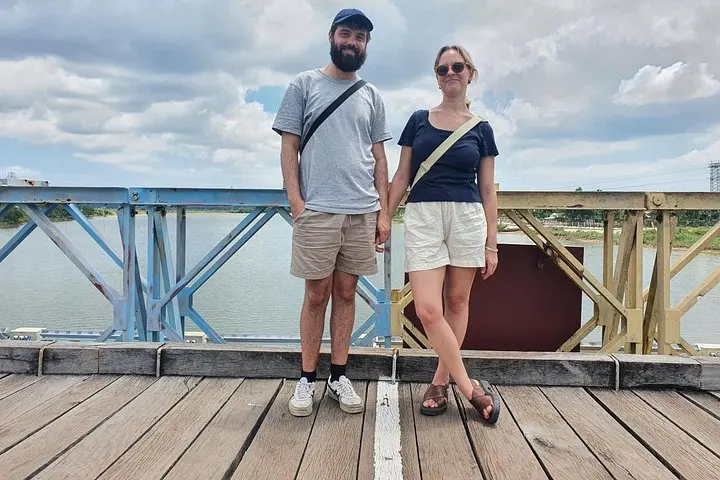
The day strings together the physical and the historical. In Quang Tri town the battered stones of the ancient citadel still show pockmarks from 1972. Hien Luong Bridge and the Ben Hai River explain a political seam—where the 17th parallel once separated north and south. Vinh Moc is less a tunnel than an underground village: blocky rooms, narrow ventilation shafts, and the smell of earth that sheltered civilians during heavy bombardment. Khe Sanh Combat Base sits higher and rockier, the terrain shifting to karst ridges and scrub; it’s a landscape defined by military logistics as much as geology.
Culturally, guides knit local memory into the route—family stories, relics, and the slower pace of towns that rebuilt around war scars. Practicalities matter: the itinerary is long (roughly 11 hours), expect narrow stairs, uneven tunnel floors, and midday heat.
Bring a layered jacket for cool tunnel interiors, sturdy shoes with grip, and a refillable bottle—the operator includes water and a light lunch, but choices are limited on the road. Timing matters: early departures from Hue avoid city traffic and give better light for photos at Ben Hai. This tour offers more than ruins; it places you in a living landscape where history, geology, and local memory meet the present.
Frequently asked questions
This is an approximately 11-hour day tour with hotel pickup in central Hue and returns to Hue at the end of the day.
Yes—entrance fees to main sites and a light lunch are included, as are water and tissues per the tour listing.
The tunnels have low, narrow passages and several stairs—they may be difficult for those with limited mobility or spinal issues.
The standard tour returns to Hue; request changes at booking but expect additional logistics and possible extra costs.
About This Experience
Local Tours SAPA operates guided outdoor trips and adventures with an emphasis on safety, stewardship, and memorable experiences.
Adventure tips
Recommended gear
- Sturdy hiking or walking shoes: Provides traction and support on uneven tunnel floors and base remains.
- Light rain shell or windbreaker: Coastal weather can shift quickly; a packable shell helps in sudden showers or cooler tunnel gusts.
- Reusable water bottle: Reduces waste and keeps you hydrated between provided water stops.
- Small daypack: Carries snacks, sunscreen, camera, and personal items comfortably during site visits.
Photos of the experience
Related adventures & guides
Read the full experience
A low, humid wind from the South China Sea pushes across the coastal plain as the minivan peels away from Hue’s old city. Roadside palms lean like spectators while the landscape flattens toward Quang Tri: rice paddies, rusted bunkers, and the slow curve of the Ben Hai River that once marked a country divided.
A low, humid wind from the South China Sea pushes across the coastal plain as the minivan peels away from Hue’s old city. Roadside palms lean like spectators while the landscape flattens toward Quang Tri: rice paddies, rusted bunkers, and the slow curve of the Ben Hai River that once marked a country divided.
The day strings together the physical and the historical. In Quang Tri town the battered stones of the ancient citadel still show pockmarks from 1972. Hien Luong Bridge and the Ben Hai River explain a political seam—where the 17th parallel once separated north and south. Vinh Moc is less a tunnel than an underground village: blocky rooms, narrow ventilation shafts, and the smell of earth that sheltered civilians during heavy bombardment. Khe Sanh Combat Base sits higher and rockier, the terrain shifting to karst ridges and scrub; it’s a landscape defined by military logistics as much as geology.
Culturally, guides knit local memory into the route—family stories, relics, and the slower pace of towns that rebuilt around war scars. Practicalities matter: the itinerary is long (roughly 11 hours), expect narrow stairs, uneven tunnel floors, and midday heat.
Bring a layered jacket for cool tunnel interiors, sturdy shoes with grip, and a refillable bottle—the operator includes water and a light lunch, but choices are limited on the road. Timing matters: early departures from Hue avoid city traffic and give better light for photos at Ben Hai. This tour offers more than ruins; it places you in a living landscape where history, geology, and local memory meet the present.
Make a day of it nearby.
Verified experiences and guided adventures in the surrounding area.