THE ADVENTURE COLLECTIVE® · Independent discovery and booking for outdoor travel

Explore Hue’s imperial remnants and riverside temples on a private full-day tour that combines a dragon-boat cruise, Thien Mu Pagoda, the Imperial Citadel and royal tombs. This itinerary pairs concentrated history with practical touring—expect multiple short walks, a local lunch and a guide-led deep dive into Nguyen-era life.
Explore Hue’s imperial remnants and riverside temples on a private full-day tour that combines a dragon-boat cruise, Thien Mu Pagoda, the Imperial Citadel and royal tombs. This itinerary pairs concentrated history with practical touring—expect multiple short walks, a local lunch and a guide-led deep dive into Nguyen-era life.
You step onto a low dragon boat as the Perfume River slides past—brown water reflecting a low, lacquered sky while distant bells from Thien Mu Pagoda mark the hour. The river dares you to slow down. Through the morning mist the seven-story pagoda rises on Hà Khê hill; its silhouette is as much a focal point for daily life as for ritual.
Verified experiences and guided adventures in the surrounding area.
Operated by Vietnam Shore Excursions · Hue, Thừa Thiên Huế
You step onto a low dragon boat as the Perfume River slides past—brown water reflecting a low, lacquered sky while distant bells from Thien Mu Pagoda mark the hour. The river dares you to slow down. Through the morning mist the seven-story pagoda rises on Hà Khê hill; its silhouette is as much a focal point for daily life as for ritual.
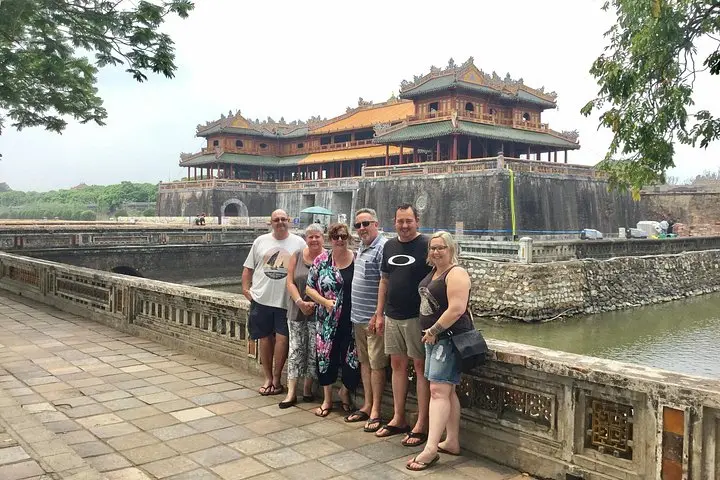
Hue was the political and spiritual heart of the Nguyen Dynasty (1802–1945), and its citadel, palaces and tombs still bear imperial proportions. The Imperial City’s flaking red walls and reconstructed Forbidden Purple City tell a story of meticulous court planning, French-era influences and hard-earned post-war restoration. Khai Dinh’s tomb nearby flips that narrative: tiled mosaics and a compact, ornate mausoleum clashing with the quieter, landscaped terraces of Tu Duc.
Geology here is gentle—river plains backed by low hills—so sites are compact and accessible by short drives. Local culture centers on court cuisine (banh khoai, bun bo Hue) and slow-paced riverside life; lunch at a family-run restaurant offers a window into regional flavors.
Practical guidance: expect a full day (7–9 hours) with multiple short walks and stair sections at tombs. Wear good walking shoes, sun protection and a light rain layer for sudden showers. Bring local currency for small purchases and be prepared to remove shoes at temple entrances. If you want photos with fewer crowds, request an earlier pickup. The route is wheelchair-accessible in parts but some tomb terraces and palace interiors have steps—ask the guide for alternatives.
Yes; hotel pickup in Hue city is included—confirm your pickup location and time at booking.
Entrance tickets to sites listed on the itinerary are included in the tour price.
Parts of the tour (river cruise, some palace grounds) are wheelchair-accessible, but some tombs and temple terraces have steps; contact the operator to arrange alternatives.
Yes; inform the guide of dietary restrictions when booking and the local restaurant will adapt dishes where possible.
Vietnam Shore Excursions operates guided outdoor trips and adventures with an emphasis on safety, stewardship, and memorable experiences.
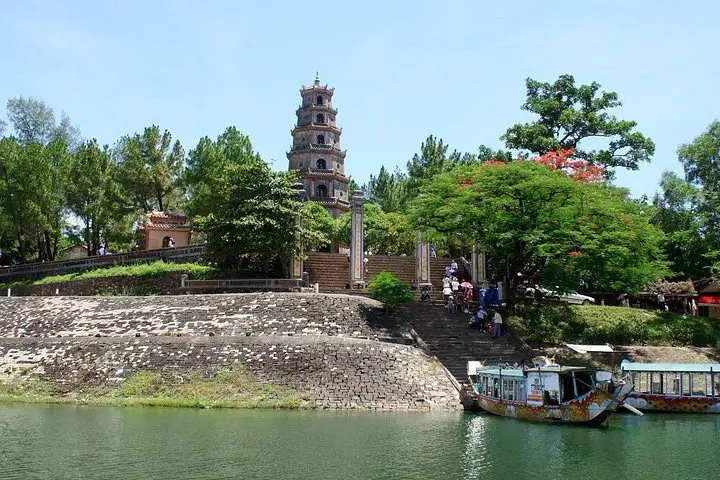
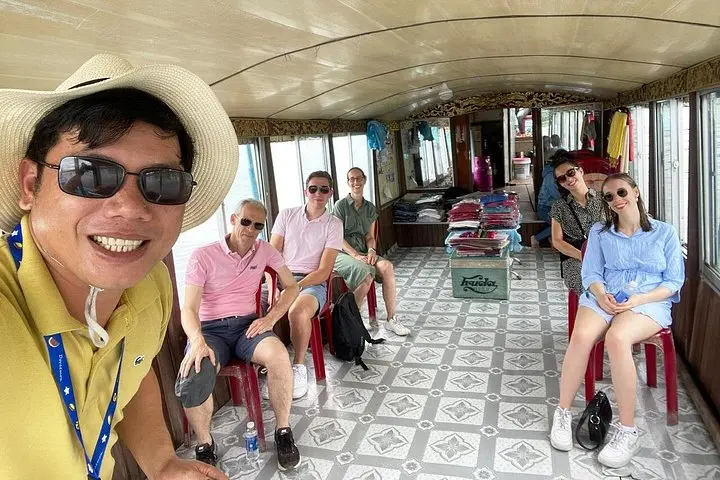
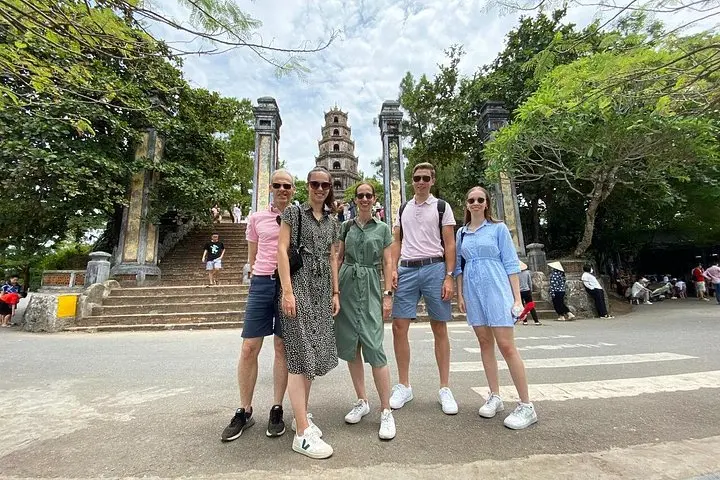
You step onto a low dragon boat as the Perfume River slides past—brown water reflecting a low, lacquered sky while distant bells from Thien Mu Pagoda mark the hour. The river dares you to slow down. Through the morning mist the seven-story pagoda rises on Hà Khê hill; its silhouette is as much a focal point for daily life as for ritual.
You step onto a low dragon boat as the Perfume River slides past—brown water reflecting a low, lacquered sky while distant bells from Thien Mu Pagoda mark the hour. The river dares you to slow down. Through the morning mist the seven-story pagoda rises on Hà Khê hill; its silhouette is as much a focal point for daily life as for ritual.
Hue was the political and spiritual heart of the Nguyen Dynasty (1802–1945), and its citadel, palaces and tombs still bear imperial proportions. The Imperial City’s flaking red walls and reconstructed Forbidden Purple City tell a story of meticulous court planning, French-era influences and hard-earned post-war restoration. Khai Dinh’s tomb nearby flips that narrative: tiled mosaics and a compact, ornate mausoleum clashing with the quieter, landscaped terraces of Tu Duc.
Geology here is gentle—river plains backed by low hills—so sites are compact and accessible by short drives. Local culture centers on court cuisine (banh khoai, bun bo Hue) and slow-paced riverside life; lunch at a family-run restaurant offers a window into regional flavors.
Practical guidance: expect a full day (7–9 hours) with multiple short walks and stair sections at tombs. Wear good walking shoes, sun protection and a light rain layer for sudden showers. Bring local currency for small purchases and be prepared to remove shoes at temple entrances. If you want photos with fewer crowds, request an earlier pickup. The route is wheelchair-accessible in parts but some tomb terraces and palace interiors have steps—ask the guide for alternatives.