THE ADVENTURE COLLECTIVE® · Independent discovery and booking for outdoor travel

Walk across Truong Tien bridge into Dong Ba Market and taste Hue’s royal-influenced street foods. This four-hour guided tour mixes market stops, alleyway bites and local stories to introduce you to the city’s defining flavors.
Walk across Truong Tien bridge into Dong Ba Market and taste Hue’s royal-influenced street foods. This four-hour guided tour mixes market stops, alleyway bites and local stories to introduce you to the city’s defining flavors.
The tour begins where the Perfume River breathes through Hue: cross Truong Tien bridge and you can already smell lemongrass and simmering broths carried on the river breeze.
Verified experiences and guided adventures in the surrounding area.
Operated by LOCAL TOURS VIETNAM · Hue, Thua Thien-Hue
The tour begins where the Perfume River breathes through Hue: cross Truong Tien bridge and you can already smell lemongrass and simmering broths carried on the river breeze.
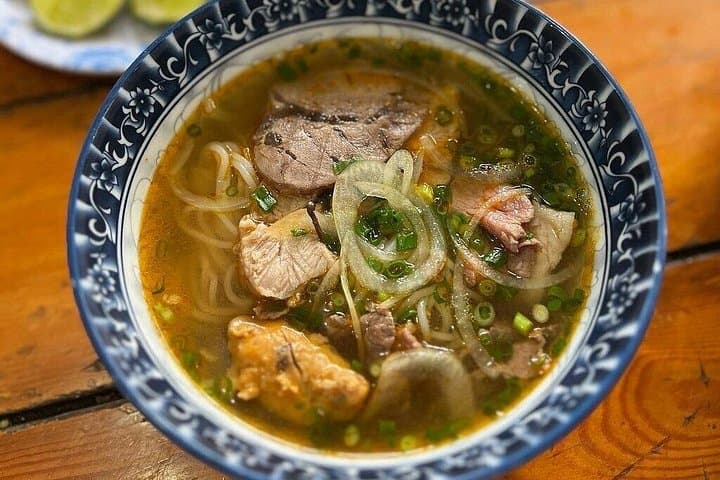
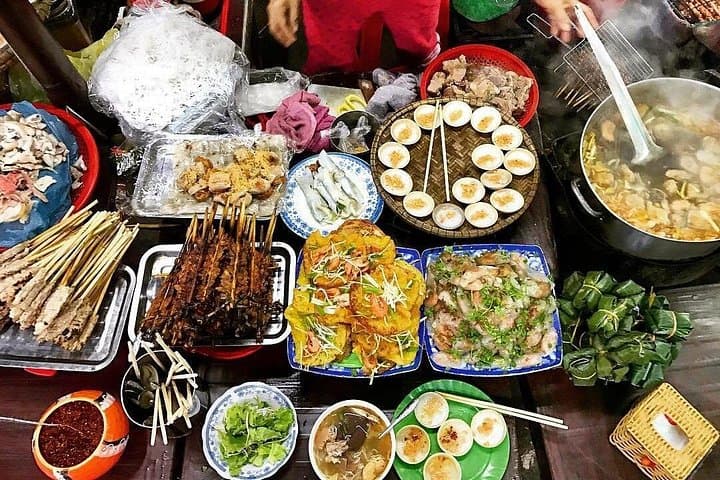
A local guide leads you into Dong Ba Market, a living pantry where vendors call and chop as baskets of shrimp, rice paper and spices stack like city history. This is Hue — the former Nguyen dynasty capital — where imperial techniques meet street-level inventiveness. Geology here is soft alluvial plain; markets cluster along low riverbanks that shaped the city’s routes and seasonal rhythms. Culinary culture in Hue emphasizes balance: a spicy, savory bun bo Hue, a crisp banh khoai, delicate steamed banh beo — each plate a local story.
You’ll move through alleys and stalls, tasting regional specialties and learning why certain dishes originated around the citadel and royal kitchens. Guides point out ingredient names, show how vendors assemble plates, and explain etiquette — from how to add lime and chili to when to slurp.
Practical guidance: plan for roughly four hours of slow walking with frequent food stops; bring cash for small stalls, and flag dietary restrictions in advance. Wear comfortable shoes and carry a light rain layer — sudden tropical showers are common. Hydrate between spicy bites; a provided bottle of water helps, but a reusable bottle is smarter.
By the end you’ll have a clearer map of Hue’s foodways — what to order, where to return at night, and how a city’s flavor can hold its history in every mouthful.
The guided tour lasts about four hours and includes multiple market stops and food tastings.
Yes—the operator can accommodate vegetarian, vegan and common allergies if you indicate requirements when booking.
Pickup point options are asked at booking; confirm your pickup during reservation if you need collection from your hotel.
Mobile or paper ticket is accepted and one ticket is required per booking; small vendor purchases are typically cash-only.
LOCAL TOURS VIETNAM operates guided outdoor trips and adventures with an emphasis on safety, stewardship, and memorable experiences.


The tour begins where the Perfume River breathes through Hue: cross Truong Tien bridge and you can already smell lemongrass and simmering broths carried on the river breeze.
The tour begins where the Perfume River breathes through Hue: cross Truong Tien bridge and you can already smell lemongrass and simmering broths carried on the river breeze.
A local guide leads you into Dong Ba Market, a living pantry where vendors call and chop as baskets of shrimp, rice paper and spices stack like city history. This is Hue — the former Nguyen dynasty capital — where imperial techniques meet street-level inventiveness. Geology here is soft alluvial plain; markets cluster along low riverbanks that shaped the city’s routes and seasonal rhythms. Culinary culture in Hue emphasizes balance: a spicy, savory bun bo Hue, a crisp banh khoai, delicate steamed banh beo — each plate a local story.
You’ll move through alleys and stalls, tasting regional specialties and learning why certain dishes originated around the citadel and royal kitchens. Guides point out ingredient names, show how vendors assemble plates, and explain etiquette — from how to add lime and chili to when to slurp.
Practical guidance: plan for roughly four hours of slow walking with frequent food stops; bring cash for small stalls, and flag dietary restrictions in advance. Wear comfortable shoes and carry a light rain layer — sudden tropical showers are common. Hydrate between spicy bites; a provided bottle of water helps, but a reusable bottle is smarter.
By the end you’ll have a clearer map of Hue’s foodways — what to order, where to return at night, and how a city’s flavor can hold its history in every mouthful.