THE ADVENTURE COLLECTIVE® · Independent discovery and booking for outdoor travel

A full‑day journey from Hue into the DMZ explores Khe Sanh, Vinh Moc Tunnels and memorial sites that mark the 17th Parallel. Expect guided walks, a picnic lunch, and a close look at wartime ingenuity and local resilience.
A full‑day journey from Hue into the DMZ explores Khe Sanh, Vinh Moc Tunnels and memorial sites that mark the 17th Parallel. Expect guided walks, a picnic lunch, and a close look at wartime ingenuity and local resilience.
Morning light off the Perfume River gives way to long stretches of highway as the van pushes north toward the former Demilitarized Zone. By midmorning you’re trading Hue’s imperial echoes for raw wartime terrain—bomb-scarred fields, low ridgelines and the hush of memorial sites. The day moves in distinct chapters: colonial churches and a 19th‑century citadel, the strategic Khe Sanh Combat Base, the Ben Hai river that once marked a country’s divide, and the Vinh Moc Tunnel complex where civilians lived beneath the bombardment.
Verified experiences and guided adventures in the surrounding area.
Operated by Authentic PHU QUOC · Hue, Thua Thien-Hue
Morning light off the Perfume River gives way to long stretches of highway as the van pushes north toward the former Demilitarized Zone. By midmorning you’re trading Hue’s imperial echoes for raw wartime terrain—bomb-scarred fields, low ridgelines and the hush of memorial sites. The day moves in distinct chapters: colonial churches and a 19th‑century citadel, the strategic Khe Sanh Combat Base, the Ben Hai river that once marked a country’s divide, and the Vinh Moc Tunnel complex where civilians lived beneath the bombardment.
The DMZ around Quảng Trị Province sits astride the 17th Parallel and was a focal point of major campaigns from the 1950s through the 1970s. Geology here is coastal plain meeting karst and pitted limestone inland, which made tunnel networks viable and gave battle lines clear, traversable approaches. Cultural traces—peasant villages, French‑era church ruins—tell a layered story of colonialism, Cold War geopolitics and local resilience.
Expect guided visits with entrance fees and a picnic lunch, short walks around preserved ruins, and confined, low-ceiling passages if you enter Vinh Moc. Photography is common but keep noise low at memorials. Practicalities: this is a full‑day tour (about 10 hours) with several short drives and intermittent walking; wear sturdy shoes, bring water and cash for small purchases or donations. The experience is historically intense and physically gentle—an informative, somber immersion into one of Vietnam’s most consequential landscapes.
This is a full‑day tour of roughly 10 hours; most departures pick up from central Hue hotels in the morning—confirm exact pickup time with the operator.
Yes—entrance fees to listed sites and a picnic lunch are included in the tour price as described by the operator.
Tunnels include low, narrow sections and dimly lit passages; visitors with claustrophobia or mobility limits should avoid entering and can view surface exhibits instead.
Photography is generally allowed, but be respectful—no flash inside sensitive exhibits and avoid photographing grieving visitors or restricted areas.
Authentic PHU QUOC operates guided outdoor trips and adventures with an emphasis on safety, stewardship, and memorable experiences.
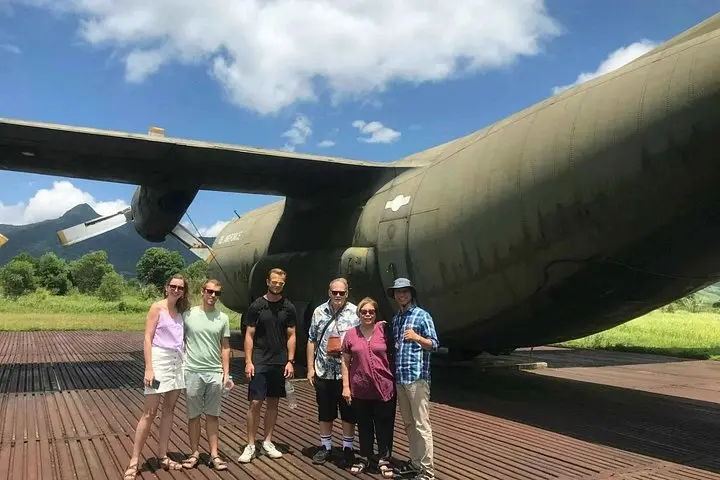
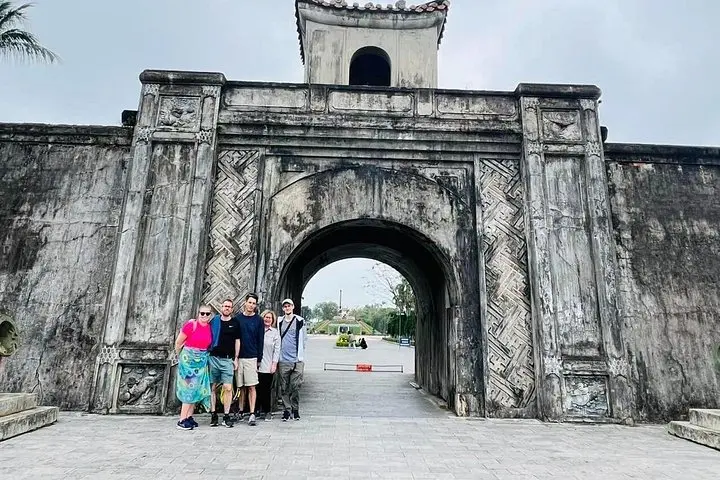
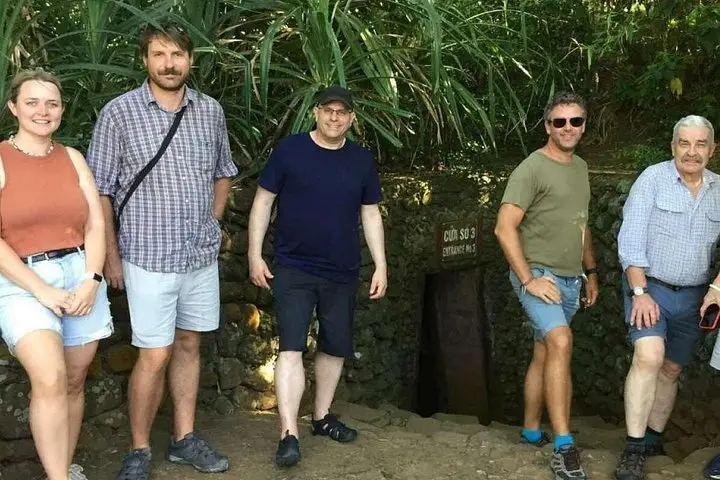
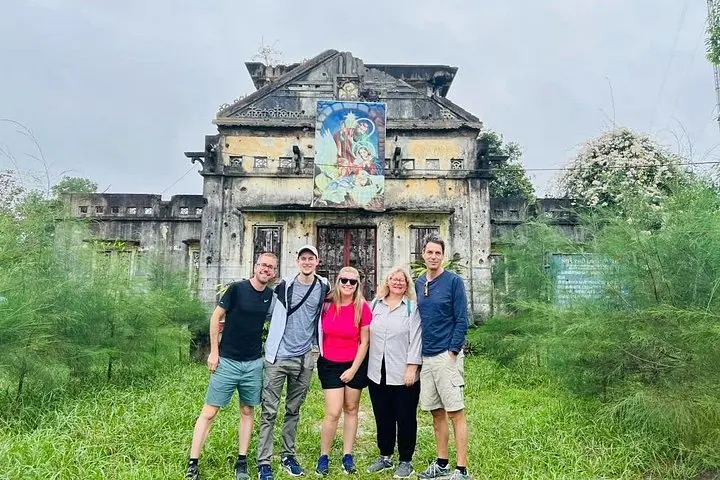
Morning light off the Perfume River gives way to long stretches of highway as the van pushes north toward the former Demilitarized Zone. By midmorning you’re trading Hue’s imperial echoes for raw wartime terrain—bomb-scarred fields, low ridgelines and the hush of memorial sites. The day moves in distinct chapters: colonial churches and a 19th‑century citadel, the strategic Khe Sanh Combat Base, the Ben Hai river that once marked a country’s divide, and the Vinh Moc Tunnel complex where civilians lived beneath the bombardment.
Morning light off the Perfume River gives way to long stretches of highway as the van pushes north toward the former Demilitarized Zone. By midmorning you’re trading Hue’s imperial echoes for raw wartime terrain—bomb-scarred fields, low ridgelines and the hush of memorial sites. The day moves in distinct chapters: colonial churches and a 19th‑century citadel, the strategic Khe Sanh Combat Base, the Ben Hai river that once marked a country’s divide, and the Vinh Moc Tunnel complex where civilians lived beneath the bombardment.
The DMZ around Quảng Trị Province sits astride the 17th Parallel and was a focal point of major campaigns from the 1950s through the 1970s. Geology here is coastal plain meeting karst and pitted limestone inland, which made tunnel networks viable and gave battle lines clear, traversable approaches. Cultural traces—peasant villages, French‑era church ruins—tell a layered story of colonialism, Cold War geopolitics and local resilience.
Expect guided visits with entrance fees and a picnic lunch, short walks around preserved ruins, and confined, low-ceiling passages if you enter Vinh Moc. Photography is common but keep noise low at memorials. Practicalities: this is a full‑day tour (about 10 hours) with several short drives and intermittent walking; wear sturdy shoes, bring water and cash for small purchases or donations. The experience is historically intense and physically gentle—an informative, somber immersion into one of Vietnam’s most consequential landscapes.