THE ADVENTURE COLLECTIVE® · Independent discovery and booking for outdoor travel

A full-day drive from Hue delivers karst cliffs, wartime memorials, and the luminous chambers of Phong Nha and Paradise Caves. This tour blends cultural stops with guided boat trips through underground rivers—ideal for travelers who want a dense, nature-forward day out.
A full-day drive from Hue delivers karst cliffs, wartime memorials, and the luminous chambers of Phong Nha and Paradise Caves. This tour blends cultural stops with guided boat trips through underground rivers—ideal for travelers who want a dense, nature-forward day out.
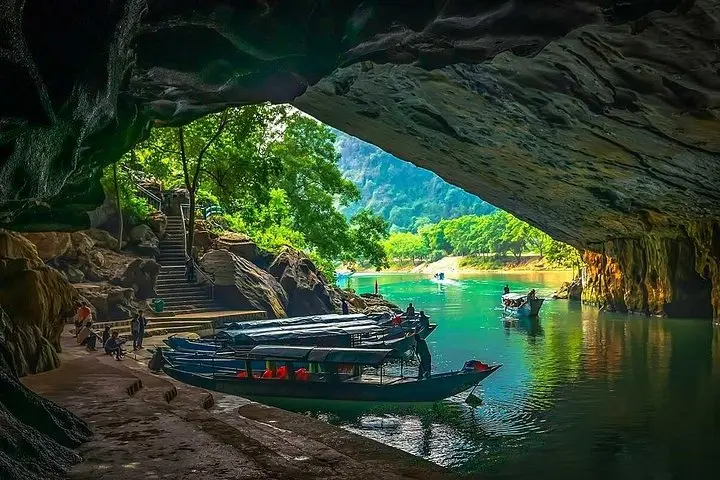
You leave Hue before dawn and the road unspools under the bus lights — rice paddies sliding past, small market towns blinking awake. By midmorning the karst towers at the edge of Phong Nha–Ke Bang begin to rise like a fortress; limestone faces wearing centuries of rain and time. The Son River threads the valley and seems to dare you forward as the boat slips toward a mouth of shadow and light.
Verified experiences and guided adventures in the surrounding area.
Operated by Red Gecko Travel · Phong Nha, Quang Binh
You leave Hue before dawn and the road unspools under the bus lights — rice paddies sliding past, small market towns blinking awake. By midmorning the karst towers at the edge of Phong Nha–Ke Bang begin to rise like a fortress; limestone faces wearing centuries of rain and time. The Son River threads the valley and seems to dare you forward as the boat slips toward a mouth of shadow and light.
This region bears layered histories: wartime memorials and Catholic shrines near Quang Tri sit alongside caves mapped by scientists and local guides for generations. Geologically, Phong Nha’s caverns were carved over millions of years by river and time, producing vast chambers, delicate stalactites and underground rivers that support unique cave-adapted life.
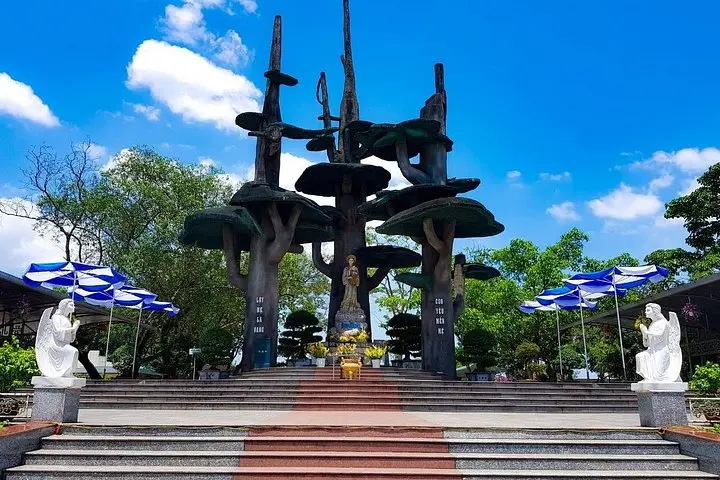
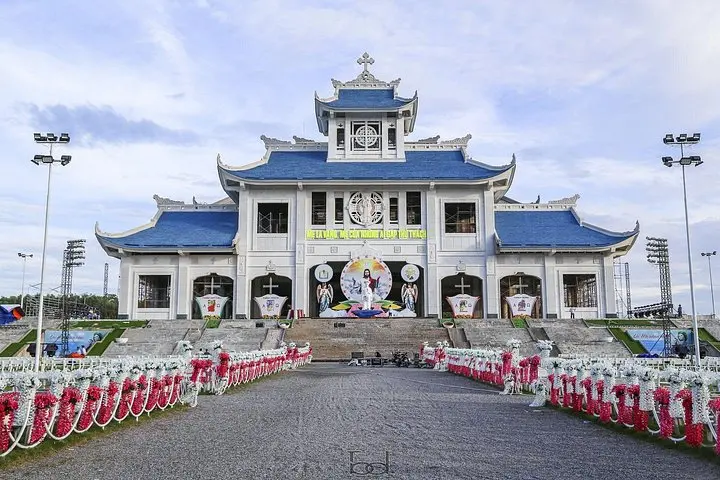
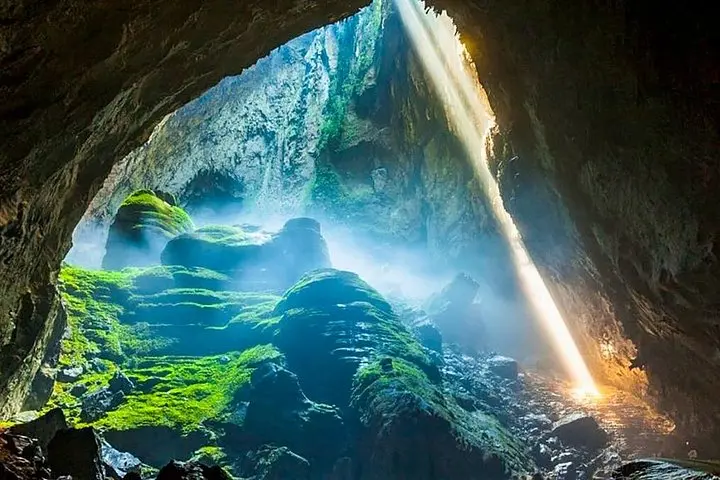
Culturally, tours touch La Vang’s pilgrimage site and the Truong Son martyrs cemetery—places that anchor local memory—before entering the quieter language of stone in Paradise Cave and Phong Nha. Inside, the cave ceilings hush and columns glint like fossilized cathedrals.
Practical guidance: expect a long day (roughly 10–12 hours) with two short boat sections, some stair climbs and uneven paths. Bring sturdy, closed-toe shoes, a light rain jacket in the wet season, and a reusable water bottle to top up after the provided bottle. Photography is allowed in most areas but carry a small, steady light for shadowed passages. Mobility constraints can limit access — boats and wooden walkways are part of the route.
Timing tip: morning departures from Hue maximize daylight for cave walks and the return drive. Respect local spaces—shrines and cemeteries require quiet, modest dress. The caves reward patience: move slowly and let the limestone formations reveal themselves.
The tour lasts about 10–12 hours total; expect roughly 3–4 hours driving each way from Hue with stops and two hours of cave visiting.
Access involves boats, steps and wooden walkways; visitors with limited mobility may find parts of the caves inaccessible—check with the operator in advance.
Yes; handheld photography is generally allowed but avoid using flash where signage requests otherwise to protect cave formations and wildlife.
Modest, respectful clothing (covered shoulders and knees) is advised when visiting La Vang Holy Land and Truong Son Martyrs Cemetery.
Red Gecko Travel operates guided outdoor trips and adventures with an emphasis on safety, stewardship, and memorable experiences.
You leave Hue before dawn and the road unspools under the bus lights — rice paddies sliding past, small market towns blinking awake. By midmorning the karst towers at the edge of Phong Nha–Ke Bang begin to rise like a fortress; limestone faces wearing centuries of rain and time. The Son River threads the valley and seems to dare you forward as the boat slips toward a mouth of shadow and light.
You leave Hue before dawn and the road unspools under the bus lights — rice paddies sliding past, small market towns blinking awake. By midmorning the karst towers at the edge of Phong Nha–Ke Bang begin to rise like a fortress; limestone faces wearing centuries of rain and time. The Son River threads the valley and seems to dare you forward as the boat slips toward a mouth of shadow and light.
This region bears layered histories: wartime memorials and Catholic shrines near Quang Tri sit alongside caves mapped by scientists and local guides for generations. Geologically, Phong Nha’s caverns were carved over millions of years by river and time, producing vast chambers, delicate stalactites and underground rivers that support unique cave-adapted life.
Culturally, tours touch La Vang’s pilgrimage site and the Truong Son martyrs cemetery—places that anchor local memory—before entering the quieter language of stone in Paradise Cave and Phong Nha. Inside, the cave ceilings hush and columns glint like fossilized cathedrals.
Practical guidance: expect a long day (roughly 10–12 hours) with two short boat sections, some stair climbs and uneven paths. Bring sturdy, closed-toe shoes, a light rain jacket in the wet season, and a reusable water bottle to top up after the provided bottle. Photography is allowed in most areas but carry a small, steady light for shadowed passages. Mobility constraints can limit access — boats and wooden walkways are part of the route.
Timing tip: morning departures from Hue maximize daylight for cave walks and the return drive. Respect local spaces—shrines and cemeteries require quiet, modest dress. The caves reward patience: move slowly and let the limestone formations reveal themselves.