THE ADVENTURE COLLECTIVE® · Independent discovery and booking for outdoor travel

Make a long but rewarding day trip from Huế to Phong Nha Cave, where a river boat enters an ancient limestone system that once sheltered wartime medics. This full-day tour blends dramatic cave passages, historical stops and practical guidance for a safe, enlightening visit.
Make a long but rewarding day trip from Huế to Phong Nha Cave, where a river boat enters an ancient limestone system that once sheltered wartime medics. This full-day tour blends dramatic cave passages, historical stops and practical guidance for a safe, enlightening visit.
A low river mist parts as you step onto the dragon boat at Phong Nha’s jetty; limestone cliffs rise like folded pages, and the sonorous drip of cave water seems to count the seconds. The day from Huế unfolds as a corridor of changing scenery: paddy fields, wartime landmarks and finally the karst hollow where Son River threads into the mouth of Phong Nha Cave.
Verified experiences and guided adventures in the surrounding area.
Operated by Local Tours PU LUONG · Phong Nha, Quảng Bình
A low river mist parts as you step onto the dragon boat at Phong Nha’s jetty; limestone cliffs rise like folded pages, and the sonorous drip of cave water seems to count the seconds. The day from Huế unfolds as a corridor of changing scenery: paddy fields, wartime landmarks and finally the karst hollow where Son River threads into the mouth of Phong Nha Cave.
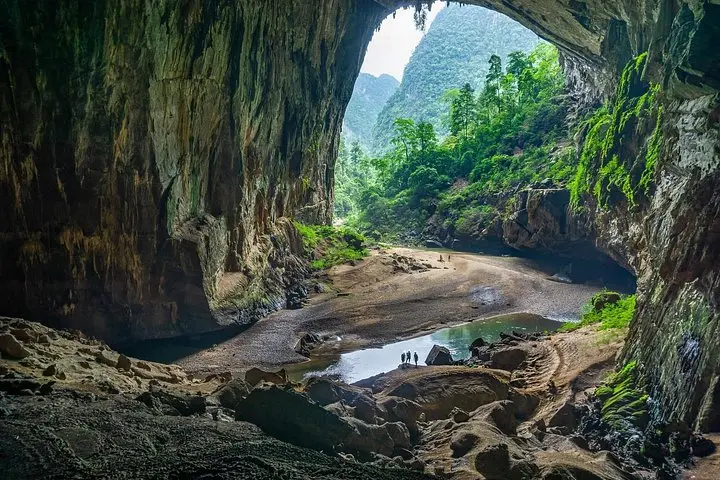
Phong Nha sits inside Phong Nha–Kẻ Bàng National Park, a UNESCO World Heritage Site famed for its karst geology and extensive cave systems. The cave itself was used as shelter and a field hospital during the American War, and its passages contain an underground river, fine interior beaches and dramatic stalactite formations formed over millions of years of mineral deposition.
Culturally the route connects imperial Huế with rural central Vietnam — stopovers at La Vang and the Ben Hai River underline layers of history from colonial-era dynasties to divided modern history. Local guides narrate both geological processes and community stories, giving context to each bend of the river.
Practically: expect a long, full day (roughly 12–13 hours) with transfers by quality coach, a guided boat through the cave, and a set lunch. Terrain is flat at boat and cave entrances but include wet surfaces and stairs; wear grippy shoes, pack sun protection and spare dry socks. Timing matters — early departures avoid afternoon heat and give calmer water for better cave access. Bring reusable water, a light rain jacket in wet season and respect park rules: no litter, no loud noise inside sensitive chambers.
The roundtrip drive is long — expect about 3–4 hours each way depending on traffic and stops, which is included in the full-day schedule.
Most visits use a boat and short guided walks; surfaces are uneven and slippery but the tour is suitable for average fitness levels — not recommended for those with serious mobility or spinal issues.
A set lunch is included; notify the operator of major dietary restrictions at booking so they can accommodate when possible.
Dry season (February–August) offers calmer water and easier boat access; heavy rains (September–January) can affect river conditions and visibility.
Local Tours PU LUONG operates guided outdoor trips and adventures with an emphasis on safety, stewardship, and memorable experiences.
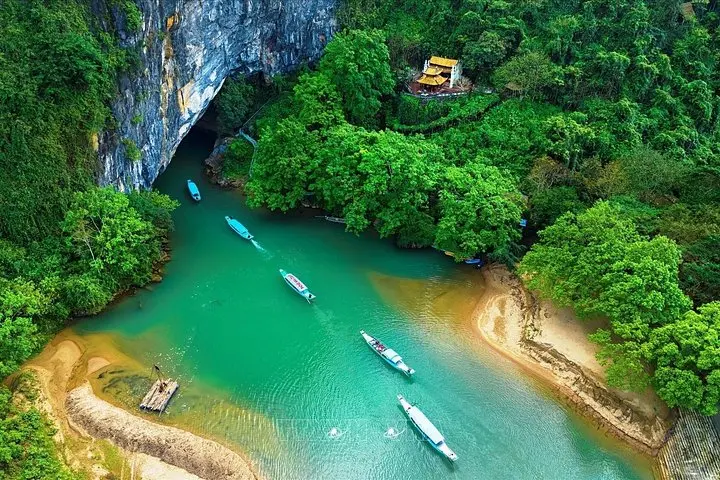
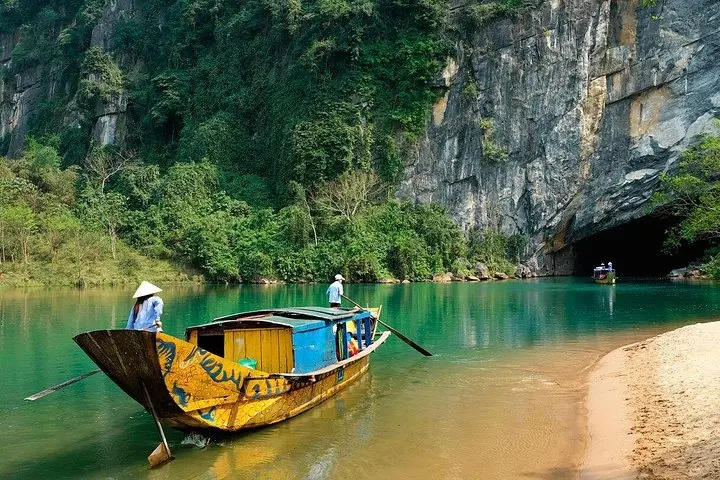
A low river mist parts as you step onto the dragon boat at Phong Nha’s jetty; limestone cliffs rise like folded pages, and the sonorous drip of cave water seems to count the seconds. The day from Huế unfolds as a corridor of changing scenery: paddy fields, wartime landmarks and finally the karst hollow where Son River threads into the mouth of Phong Nha Cave.
A low river mist parts as you step onto the dragon boat at Phong Nha’s jetty; limestone cliffs rise like folded pages, and the sonorous drip of cave water seems to count the seconds. The day from Huế unfolds as a corridor of changing scenery: paddy fields, wartime landmarks and finally the karst hollow where Son River threads into the mouth of Phong Nha Cave.
Phong Nha sits inside Phong Nha–Kẻ Bàng National Park, a UNESCO World Heritage Site famed for its karst geology and extensive cave systems. The cave itself was used as shelter and a field hospital during the American War, and its passages contain an underground river, fine interior beaches and dramatic stalactite formations formed over millions of years of mineral deposition.
Culturally the route connects imperial Huế with rural central Vietnam — stopovers at La Vang and the Ben Hai River underline layers of history from colonial-era dynasties to divided modern history. Local guides narrate both geological processes and community stories, giving context to each bend of the river.
Practically: expect a long, full day (roughly 12–13 hours) with transfers by quality coach, a guided boat through the cave, and a set lunch. Terrain is flat at boat and cave entrances but include wet surfaces and stairs; wear grippy shoes, pack sun protection and spare dry socks. Timing matters — early departures avoid afternoon heat and give calmer water for better cave access. Bring reusable water, a light rain jacket in wet season and respect park rules: no litter, no loud noise inside sensitive chambers.