THE ADVENTURE COLLECTIVE® · Independent discovery and booking for outdoor travel

A full-day private tour from Hue that traces the DMZ’s wartime footprint — Vinh Moc Tunnels, Khe Sanh Combat Base, Hien Luong Bridge and more. Expect a mix of short walks, tunnel passages, and narrated context that ties history to landscape.
A full-day private tour from Hue that traces the DMZ’s wartime footprint — Vinh Moc Tunnels, Khe Sanh Combat Base, Hien Luong Bridge and more. Expect a mix of short walks, tunnel passages, and narrated context that ties history to landscape.
You step into the morning light in Hue, the Perfume River fading behind the minivan as the road pushes northwest toward Quảng Trị. Highway shoulders clip rice paddies, and low karst ridges rise like silent witnesses; the air carries a faint salt from the nearby coast and the weight of stories that shape this land.
Verified experiences and guided adventures in the surrounding area.
Operated by Chill Tourist · Hue, Thua Thien-Hue
You step into the morning light in Hue, the Perfume River fading behind the minivan as the road pushes northwest toward Quảng Trị. Highway shoulders clip rice paddies, and low karst ridges rise like silent witnesses; the air carries a faint salt from the nearby coast and the weight of stories that shape this land.
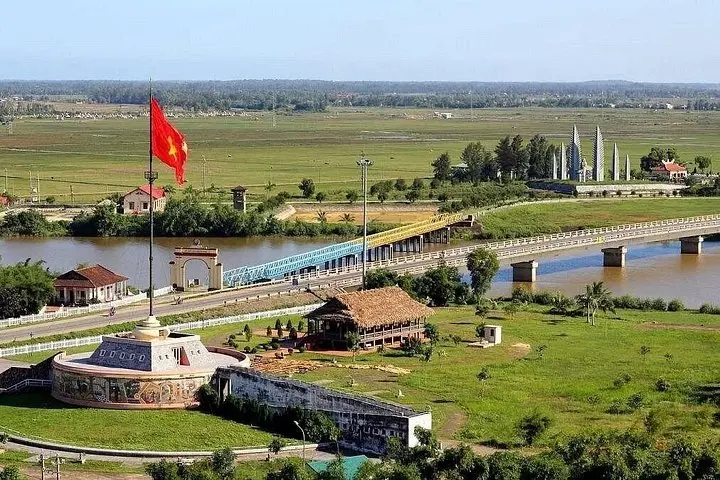
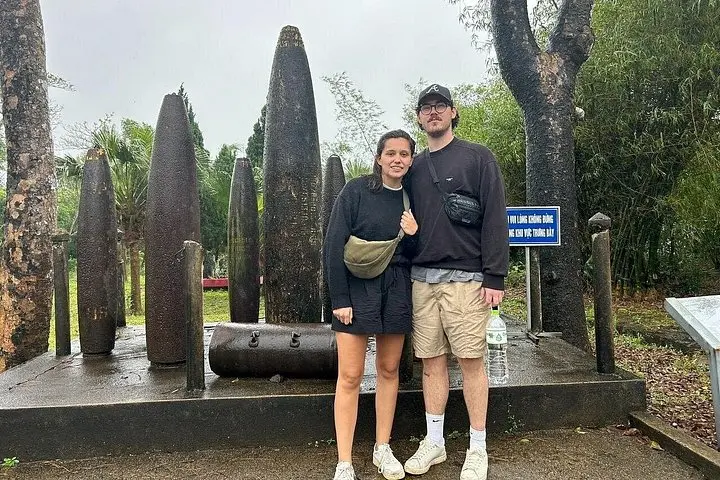
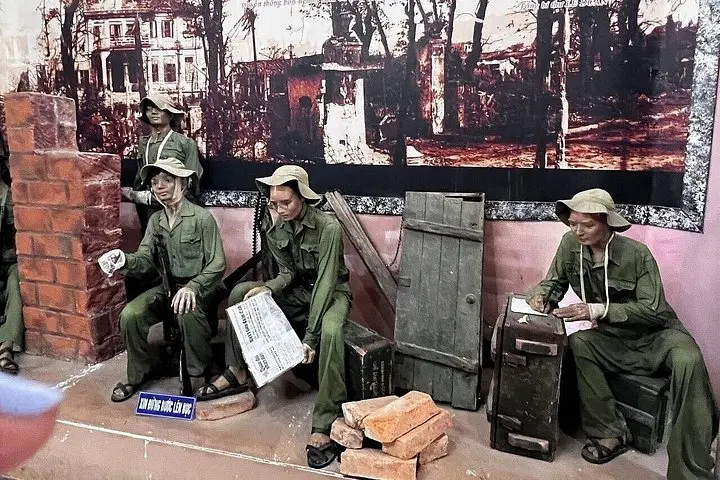
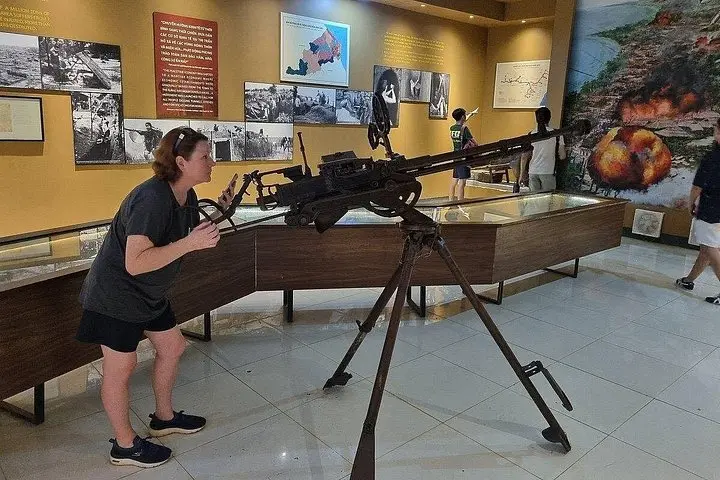
The route follows the old 17th Parallel — a line that once divided a country and now guides visitors through layered history. At Vinh Moc, villagers burrowed into the earth to build shelter: tunnels that still feel cool and claustrophobic, acoustic proof against the thunder of wartime bombing. Khe Sanh’s scarred perimeter and rusted artillery remnants reveal strategic geography where plateaus meet evergreen hills. Hien Luong Bridge and the Ben Hai River are quieter, their flow pushing memory forward, a small, steady reminder of division and reunification.
Geology here is straightforward — low mountains, alluvial plains, and coastal sand, which shaped wartime logistics and local livelihoods. Cultural traces from French colonial churches to Vietnamese communal shrines punctuate the drive, and local guides translate both facts and feeling with measured candor.
Practical guidance: this is a full-day private tour with about 10 hours on the road and multiple short walks, some through low-clearance tunnels. Wear sturdy closed shoes for uneven surfaces, bring sun protection and cash for small purchases or donations, and expect basic facilities at stops. The pace is reflective rather than rushed: plan for early pickup from central Hue and a late return. For travelers who want history framed by landscape, this route delivers context, scale, and a clear sense of place.
The tour picks up and drops off at hotels in central Hue; exact pickup time is confirmed by the operator.
Tunnels like Vinh Moc have low ceilings and narrow passages; basic mobility is required but the tour is suitable for most fitness levels.
Entrance fees are listed in the tour inclusions and are covered; small donations or purchases on-site are extra.
Yes, this is a private tour with an English-speaking guide; timing and emphasis can usually be adjusted within the day’s itinerary.
Chill Tourist operates guided outdoor trips and adventures with an emphasis on safety, stewardship, and memorable experiences.
You step into the morning light in Hue, the Perfume River fading behind the minivan as the road pushes northwest toward Quảng Trị. Highway shoulders clip rice paddies, and low karst ridges rise like silent witnesses; the air carries a faint salt from the nearby coast and the weight of stories that shape this land.
You step into the morning light in Hue, the Perfume River fading behind the minivan as the road pushes northwest toward Quảng Trị. Highway shoulders clip rice paddies, and low karst ridges rise like silent witnesses; the air carries a faint salt from the nearby coast and the weight of stories that shape this land.
The route follows the old 17th Parallel — a line that once divided a country and now guides visitors through layered history. At Vinh Moc, villagers burrowed into the earth to build shelter: tunnels that still feel cool and claustrophobic, acoustic proof against the thunder of wartime bombing. Khe Sanh’s scarred perimeter and rusted artillery remnants reveal strategic geography where plateaus meet evergreen hills. Hien Luong Bridge and the Ben Hai River are quieter, their flow pushing memory forward, a small, steady reminder of division and reunification.
Geology here is straightforward — low mountains, alluvial plains, and coastal sand, which shaped wartime logistics and local livelihoods. Cultural traces from French colonial churches to Vietnamese communal shrines punctuate the drive, and local guides translate both facts and feeling with measured candor.
Practical guidance: this is a full-day private tour with about 10 hours on the road and multiple short walks, some through low-clearance tunnels. Wear sturdy closed shoes for uneven surfaces, bring sun protection and cash for small purchases or donations, and expect basic facilities at stops. The pace is reflective rather than rushed: plan for early pickup from central Hue and a late return. For travelers who want history framed by landscape, this route delivers context, scale, and a clear sense of place.