THE ADVENTURE COLLECTIVE® · Independent discovery and booking for outdoor travel

A day hike from Morogoro into the Uluguru Mountains delivers a compact wilderness experience: a 2‑hour drive, a 3‑hour forest hike and a visit to Hululu Waterfalls where endemic chameleons and rare plants gather. Expect steep, mossy trails and a culturally rich landscape guided by local trackers.
A day hike from Morogoro into the Uluguru Mountains delivers a compact wilderness experience: a 2‑hour drive, a 3‑hour forest hike and a visit to Hululu Waterfalls where endemic chameleons and rare plants gather. Expect steep, mossy trails and a culturally rich landscape guided by local trackers.
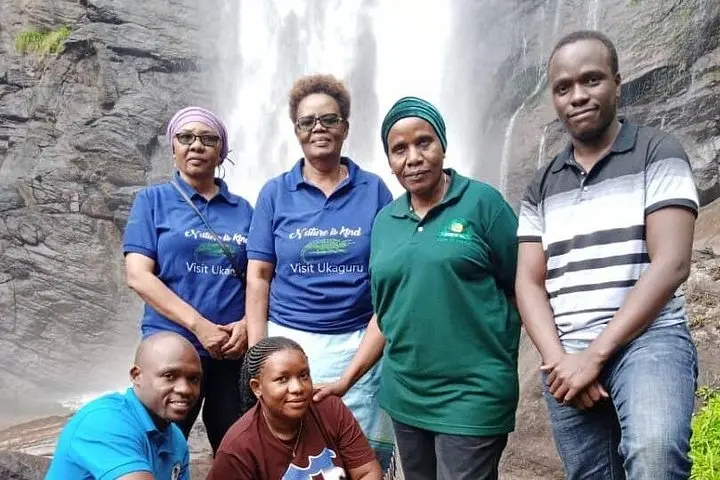
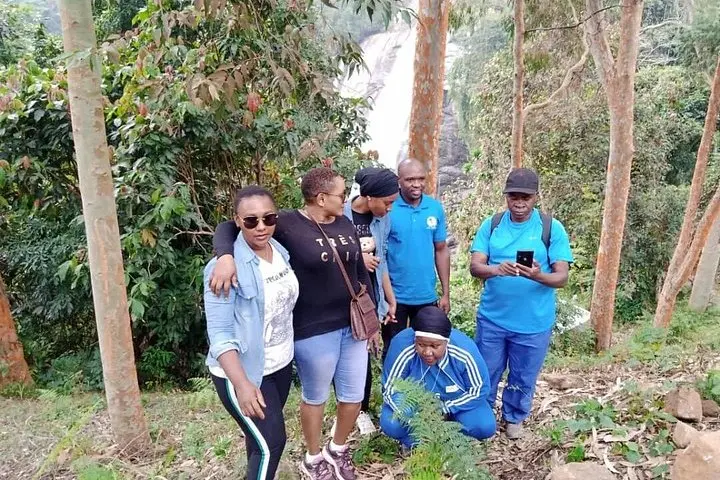
You step out of the minivan on a red-dust road and the forest breathes around you—air warm, leaves shifting like a slow current. From Vinile village the track climbs into the lower flanks of the Uluguru Mountains; the path threads through montane forest where moss slicks the trunks and chameleons pause like animated knots in the branches.
Verified experiences and guided adventures in the surrounding area.
Operated by KURUMBIZI TOURS & SAFARIS · Morogoro, Morogoro Region
You step out of the minivan on a red-dust road and the forest breathes around you—air warm, leaves shifting like a slow current. From Vinile village the track climbs into the lower flanks of the Uluguru Mountains; the path threads through montane forest where moss slicks the trunks and chameleons pause like animated knots in the branches.
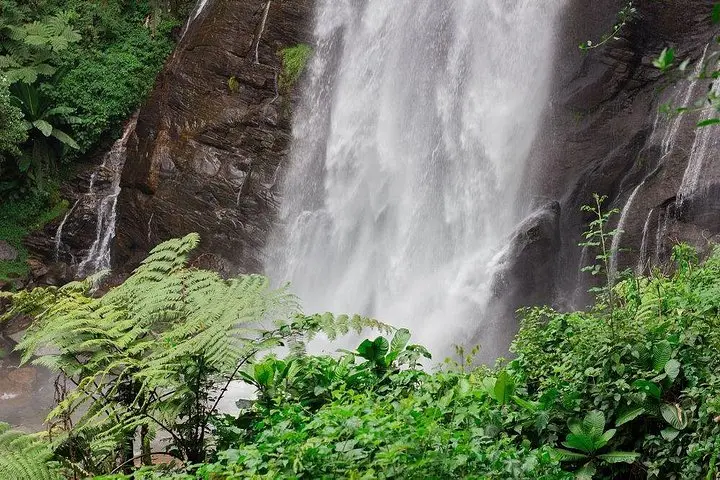
The Uluguru range is part of the Eastern Arc, an ancient block of crystalline rock that has weathered into steep ridges and narrow valleys. People of the region have farmed terraced slopes for generations; Bunduki campsite and local rest houses mark traditional stopping points along routes used for both work and pilgrimage. At the falls, a seasonal stream negotiates a narrow cleft in the rock—water finds its way down, daring you to come closer, and endemic plants such as Allanblackia uluguruensis and Saintpaulia goetzeana cling to rock and soil.
Wildlife is concentrated and subtle: the Uluguru three-horned, two-horned and one-horned chameleons are the stars, while forest birds and small mammals flit in the understory. The day trip typically begins with a 2‑hour drive from Morogoro, followed by roughly 3 hours of hiking round trip and time at the falls—plan for a 6–8 hour outing total.
Practical guidance: go early to avoid heat and afternoon showers, wear closed hiking shoes with good traction, carry at least 1.5–2 liters of water, and bring insect repellent. Respect local guides, stay on trail to protect fragile plants, and pack out all trash—this is a fragile, high-biodiversity forest where small choices make a big difference.
The guided portion is about 3 hours round trip on forest trails; add a 2‑hour drive each way from Morogoro and time at the falls for a full day.
Guiding, transport and required permits are typically included in the tour price—confirm specifics when booking and follow your guide’s safety instructions.
Wear closed, grippy shoes, layered clothing, sun protection, insect repellent, and bring at least 1.5–2 liters of water and snacks provided by the operator.
The route has uneven, sometimes steep sections and is not recommended for travelers with spinal or serious cardiovascular conditions; children should be capable walkers and supervised.
KURUMBIZI TOURS & SAFARIS operates guided outdoor trips and adventures with an emphasis on safety, stewardship, and memorable experiences.

You step out of the minivan on a red-dust road and the forest breathes around you—air warm, leaves shifting like a slow current. From Vinile village the track climbs into the lower flanks of the Uluguru Mountains; the path threads through montane forest where moss slicks the trunks and chameleons pause like animated knots in the branches.
You step out of the minivan on a red-dust road and the forest breathes around you—air warm, leaves shifting like a slow current. From Vinile village the track climbs into the lower flanks of the Uluguru Mountains; the path threads through montane forest where moss slicks the trunks and chameleons pause like animated knots in the branches.
The Uluguru range is part of the Eastern Arc, an ancient block of crystalline rock that has weathered into steep ridges and narrow valleys. People of the region have farmed terraced slopes for generations; Bunduki campsite and local rest houses mark traditional stopping points along routes used for both work and pilgrimage. At the falls, a seasonal stream negotiates a narrow cleft in the rock—water finds its way down, daring you to come closer, and endemic plants such as Allanblackia uluguruensis and Saintpaulia goetzeana cling to rock and soil.
Wildlife is concentrated and subtle: the Uluguru three-horned, two-horned and one-horned chameleons are the stars, while forest birds and small mammals flit in the understory. The day trip typically begins with a 2‑hour drive from Morogoro, followed by roughly 3 hours of hiking round trip and time at the falls—plan for a 6–8 hour outing total.
Practical guidance: go early to avoid heat and afternoon showers, wear closed hiking shoes with good traction, carry at least 1.5–2 liters of water, and bring insect repellent. Respect local guides, stay on trail to protect fragile plants, and pack out all trash—this is a fragile, high-biodiversity forest where small choices make a big difference.