THE ADVENTURE COLLECTIVE® · Independent discovery and booking for outdoor travel
A full‑day drive from Salta through the UNESCO‑listed Quebrada de Humahuaca, this tour links Purmamarca’s Seven Colors Hill, Tilcara’s Pucará and Humahuaca’s high‑altitude streets with panoramic photo stops and cultural highlights.
A full‑day drive from Salta through the UNESCO‑listed Quebrada de Humahuaca, this tour links Purmamarca’s Seven Colors Hill, Tilcara’s Pucará and Humahuaca’s high‑altitude streets with panoramic photo stops and cultural highlights.
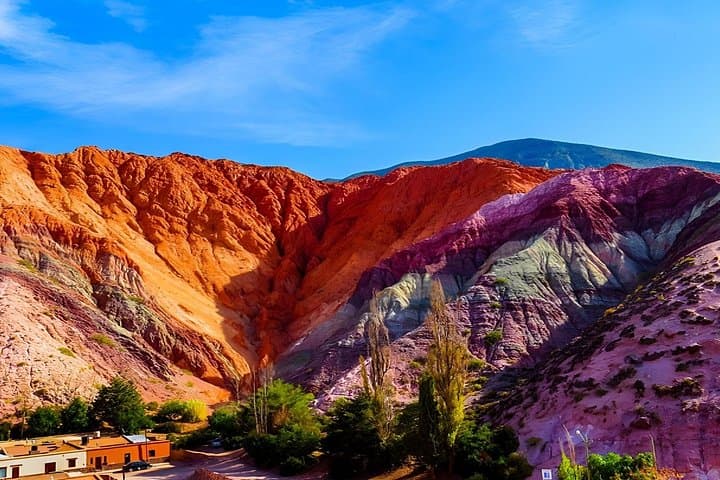
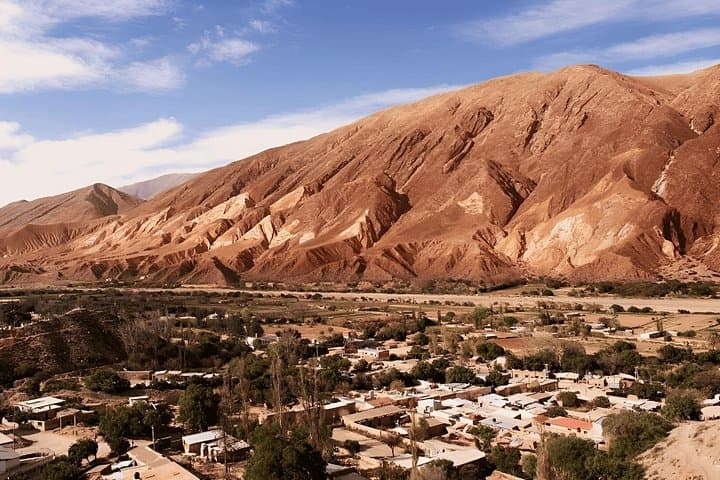
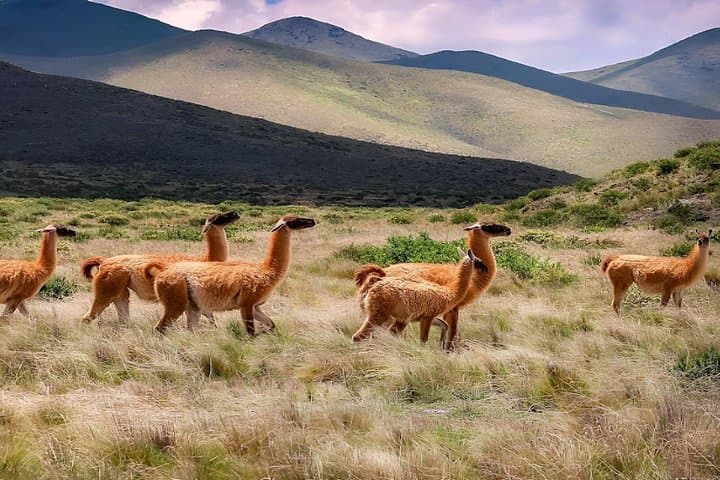
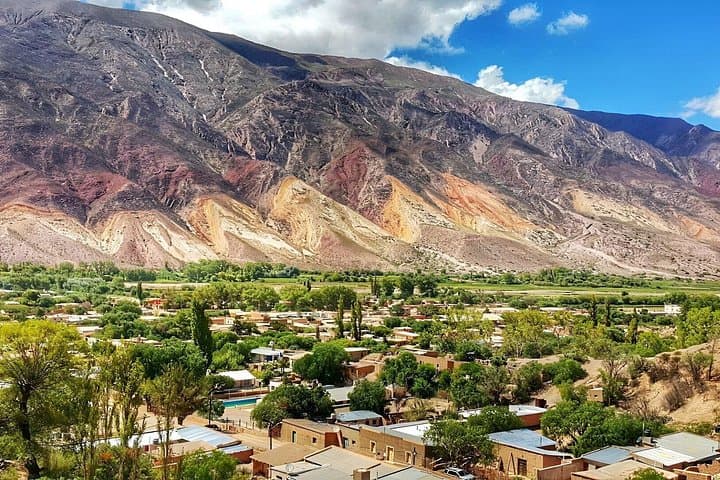
You step out of an air‑conditioned minibus and the high Andean sun immediately outlines the serrated ridges of the Quebrada de Humahuaca. Wind pushes across salt‑streaked slopes; colors in the mountains sharpen into ochres, rusts and mint greens. The road climbs from Salta, threading villages with cobbled streets, iron lamps and adobe facades—the human scale of the valley offering a counterpoint to the wide, open sky.
Verified experiences and guided adventures in the surrounding area.
Operated by La Quebrada Turismo · Humahuaca, Jujuy
You step out of an air‑conditioned minibus and the high Andean sun immediately outlines the serrated ridges of the Quebrada de Humahuaca. Wind pushes across salt‑streaked slopes; colors in the mountains sharpen into ochres, rusts and mint greens. The road climbs from Salta, threading villages with cobbled streets, iron lamps and adobe facades—the human scale of the valley offering a counterpoint to the wide, open sky.
This UNESCO corridor holds layers of human history and geology. Millennia of uplift and erosion have exposed sedimentary bands that give Purmamarca’s Seven Colors Hill and Hornocal its painterly stripes. Indigenous cultures and colonial routes shaped the towns—Tilcara’s Pucará stands on an old defensive ridge, while Uquía’s 17th‑century chapel preserves Spanish and Andean devotional art.
Expect dry, high‑altitude terrain with short walks between viewpoints; the route travels from roughly 2,070 m to about 2,940 m above sea level. Photo stops at Purmamarca, Tilcara, Humahuaca and the Painter’s Palette are standard, with time for lunch in a central plaza. The day moves at a deliberate pace: technical stops, short hikes, and time to explore local markets.
Practical notes: acclimatize if you’ve recently arrived from sea level, carry 2–3 liters of water, sunscreen and a windproof layer. Sturdy walking shoes handle cobbles and compact dirt. Morning light is best for color contrast; late afternoon can be dusty and colder. Respect altitudinal limits—take it slow, let the landscape draw you in, and plan on a long but rewarding day of geology, culture and highland air.
The tour runs approximately 11–12 hours (660–720 minutes), typically starting early morning from Salta and returning in the evening.
Yes—altitudes reach about 2,940 m; allow a day or two in Salta (1,200 m) to adjust if you’ve just arrived from low elevations and monitor for altitude symptoms.
Lunch is usually not included; you'll have about two hours in a main town to eat at local restaurants or buy snacks during technical stops.
Yes—this tour is rated easy and suitable for families, but infants must sit on an adult’s lap and all travelers should be prepared for long vehicle time and altitude.
La Quebrada Turismo operates guided outdoor trips and adventures with an emphasis on safety, stewardship, and memorable experiences.
You step out of an air‑conditioned minibus and the high Andean sun immediately outlines the serrated ridges of the Quebrada de Humahuaca. Wind pushes across salt‑streaked slopes; colors in the mountains sharpen into ochres, rusts and mint greens. The road climbs from Salta, threading villages with cobbled streets, iron lamps and adobe facades—the human scale of the valley offering a counterpoint to the wide, open sky.
You step out of an air‑conditioned minibus and the high Andean sun immediately outlines the serrated ridges of the Quebrada de Humahuaca. Wind pushes across salt‑streaked slopes; colors in the mountains sharpen into ochres, rusts and mint greens. The road climbs from Salta, threading villages with cobbled streets, iron lamps and adobe facades—the human scale of the valley offering a counterpoint to the wide, open sky.
This UNESCO corridor holds layers of human history and geology. Millennia of uplift and erosion have exposed sedimentary bands that give Purmamarca’s Seven Colors Hill and Hornocal its painterly stripes. Indigenous cultures and colonial routes shaped the towns—Tilcara’s Pucará stands on an old defensive ridge, while Uquía’s 17th‑century chapel preserves Spanish and Andean devotional art.
Expect dry, high‑altitude terrain with short walks between viewpoints; the route travels from roughly 2,070 m to about 2,940 m above sea level. Photo stops at Purmamarca, Tilcara, Humahuaca and the Painter’s Palette are standard, with time for lunch in a central plaza. The day moves at a deliberate pace: technical stops, short hikes, and time to explore local markets.
Practical notes: acclimatize if you’ve recently arrived from sea level, carry 2–3 liters of water, sunscreen and a windproof layer. Sturdy walking shoes handle cobbles and compact dirt. Morning light is best for color contrast; late afternoon can be dusty and colder. Respect altitudinal limits—take it slow, let the landscape draw you in, and plan on a long but rewarding day of geology, culture and highland air.
