THE ADVENTURE COLLECTIVE® · Independent discovery and booking for outdoor travel

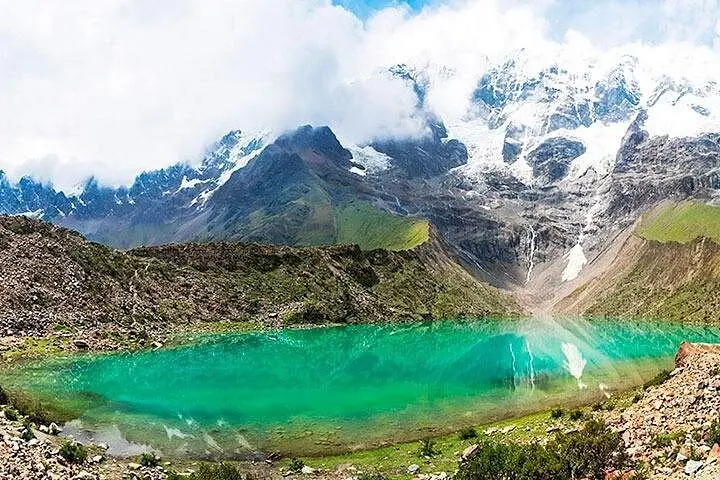
A one‑day private hike from Cusco that climbs to Humantay Lagoon—an alpine, glacial lake above 4,200 m—offering close views of Salkantay and high‑Andean landscapes. Expect steep switchbacks, thin air, and vivid turquoise water.
A one‑day private hike from Cusco that climbs to Humantay Lagoon—an alpine, glacial lake above 4,200 m—offering close views of Salkantay and high‑Andean landscapes. Expect steep switchbacks, thin air, and vivid turquoise water.
You step out of the van at Soraypampa while the Andes still wear dawn’s chill. A narrow trail climbs before you—rocky switchbacks cutting through high puna grass—each step drawing you closer to a bowl of turquoise water framed by the jagged flank of Humantay and the distant mass of Salkantay.
Verified experiences and guided adventures in the surrounding area.
Operated by Machu Picchu Hike Tours · Cusco, Cusco
You step out of the van at Soraypampa while the Andes still wear dawn’s chill. A narrow trail climbs before you—rocky switchbacks cutting through high puna grass—each step drawing you closer to a bowl of turquoise water framed by the jagged flank of Humantay and the distant mass of Salkantay.
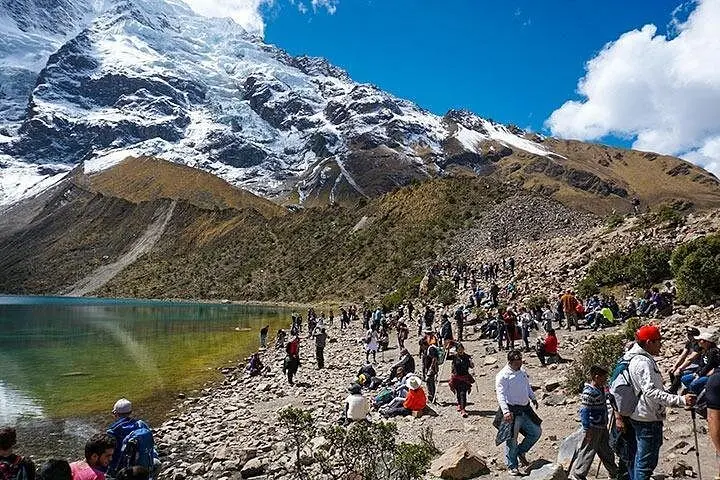
Humantay Lagoon sits above 4,200 m (about 13,780 ft) and has become a popular day hike from Cusco in recent years. The lake itself is a glacially fed tarn left behind by Salkantay’s sculpting ice; local Quechua communities long regarded the surrounding peaks as apus, or sacred mountain spirits, and the route passes grazing pastures and small Andean settlements that still herd llamas and alpacas.
Geologically, the hike exposes visitors to high‑altitude moraine and volcanic-derived soils, with sparse vegetation that gives way to wind-swept rock and snowfields in colder months. Culturally, expect brief exchanges with local guides who weave Quechua place‑names and seasonal farming rhythms into the narrative of the trail.
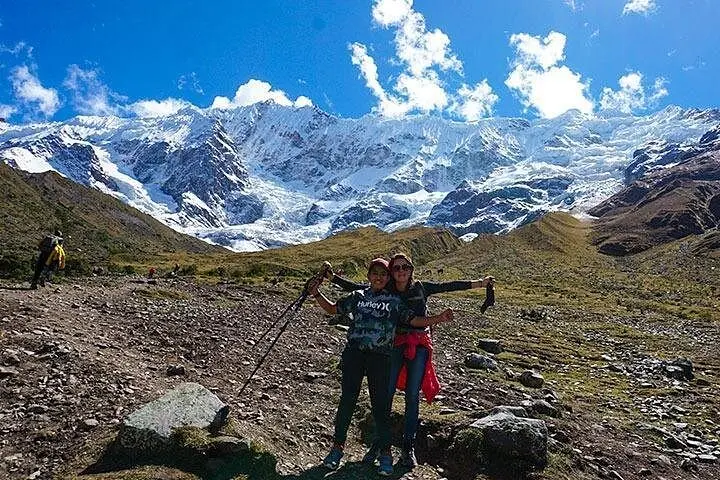
Practically, the round-trip hike from Soraypampa to the lake takes about 3–4 hours on foot (total distance roughly 4–6 km) with ~350–500 m of elevation gain; guides typically include water, first aid, and a hot meal back in Mollepata. Acclimatization matters more than technical skill—go slow, use poles if you have them, and carry layers for wind and sun. Aim to start early to avoid afternoon clouds and to enjoy the lagoon’s color at its most vivid.
From Soraypampa the hike is typically 3–4 hours round trip with 350–500 m of ascent; it’s moderate in difficulty but the altitude makes it more demanding than the distance suggests.
Yes—spend at least 24–48 hours in Cusco to acclimatize. Carry medication if prescribed and inform your guide of any symptoms.
The steep, high‑altitude nature of the trail makes it unsuitable for infants, people with serious back or heart conditions, or those unable to walk on uneven ground.
Dry season (May–September) offers more stable weather and clearer views, though the trail is accessible year‑round with occasional snow or rain in the wet season.
Machu Picchu Hike Tours operates guided outdoor trips and adventures with an emphasis on safety, stewardship, and memorable experiences.
You step out of the van at Soraypampa while the Andes still wear dawn’s chill. A narrow trail climbs before you—rocky switchbacks cutting through high puna grass—each step drawing you closer to a bowl of turquoise water framed by the jagged flank of Humantay and the distant mass of Salkantay.
You step out of the van at Soraypampa while the Andes still wear dawn’s chill. A narrow trail climbs before you—rocky switchbacks cutting through high puna grass—each step drawing you closer to a bowl of turquoise water framed by the jagged flank of Humantay and the distant mass of Salkantay.
Humantay Lagoon sits above 4,200 m (about 13,780 ft) and has become a popular day hike from Cusco in recent years. The lake itself is a glacially fed tarn left behind by Salkantay’s sculpting ice; local Quechua communities long regarded the surrounding peaks as apus, or sacred mountain spirits, and the route passes grazing pastures and small Andean settlements that still herd llamas and alpacas.
Geologically, the hike exposes visitors to high‑altitude moraine and volcanic-derived soils, with sparse vegetation that gives way to wind-swept rock and snowfields in colder months. Culturally, expect brief exchanges with local guides who weave Quechua place‑names and seasonal farming rhythms into the narrative of the trail.
Practically, the round-trip hike from Soraypampa to the lake takes about 3–4 hours on foot (total distance roughly 4–6 km) with ~350–500 m of elevation gain; guides typically include water, first aid, and a hot meal back in Mollepata. Acclimatization matters more than technical skill—go slow, use poles if you have them, and carry layers for wind and sun. Aim to start early to avoid afternoon clouds and to enjoy the lagoon’s color at its most vivid.