THE ADVENTURE COLLECTIVE® · Independent discovery and booking for outdoor travel

A high‑altitude day hike from Cusco to Humantay Lagoon pairs short, steep alpine walking with sweeping Salkantay views. This guide covers what to expect—terrain, altitude, timing, and practical tips to make the most of the full‑day excursion.
A high‑altitude day hike from Cusco to Humantay Lagoon pairs short, steep alpine walking with sweeping Salkantay views. This guide covers what to expect—terrain, altitude, timing, and practical tips to make the most of the full‑day excursion.
You step out of the van into thin, cold air as dawn cracks over the eastern flank of the Salkantay range. The trailhead at Soraypampa feels raw and immediate: the wind pushes across tussock grasses, and the path rises in steady switchbacks toward a turquoise mirror cupped below a glacial lip.
Verified experiences and guided adventures in the surrounding area.
Operated by Machu Picchu Hike Tours · Cusco, Cusco
You step out of the van into thin, cold air as dawn cracks over the eastern flank of the Salkantay range. The trailhead at Soraypampa feels raw and immediate: the wind pushes across tussock grasses, and the path rises in steady switchbacks toward a turquoise mirror cupped below a glacial lip.
Humantay Lagoon sits at high altitude beneath the greater Salkantay massif, a region shaped by recent glaciation and active uplift of the central Andes. The area is part of the Quechua cultural landscape—local communities have long treated Salkantay as an apu, or sacred mountain—and remnants of pre-Columbian trail work still guide modern hikers.
Geologically, the lagoon collects meltwater from high snowfields; its color shifts with sunlight and sediment load, offering dramatic contrasts against moraine rock and snow. Culturally, Mollepata and Soraypampa towns act as staging points for Andean markets, cuisine, and llama caravans that still cross the high passes.
Practically: expect a 3–4 hour round-trip hike from Soraypampa, roughly 4–5 km with 350–450 m of elevation gain, finishing near 4,200 m (13,700 ft). Trails are rocky with short steep pitches—walking poles help. Acclimatize in Cusco for a day or two, hydrate, and layer for sun and wind; weather can flip from bright sun to sleet within an hour. Guides typically provide bottled water, walking sticks, and a cooked lunch in Mollepata after the descent.
Timing matters—arrive early for clearer skies and smaller crowds. Leave no trace: fragile high‑altitude plants recover slowly, so stay on the trail, pack out waste, and be mindful of oxygen limitations at altitude.
From Soraypampa the round trip is typically 3–4 hours, covering about 4–5 km with 350–450 m of elevation gain.
Yes—Humantay sits near 4,200 m; spend at least 24–48 hours in Cusco or a similar elevation and hydrate well before the hike.
Some local operators offer horse rides for the ascent or to reduce effort, but availability varies—ask ahead if you need one and note extra cost and saddle comfort.
Clear, cold mornings are common, with a strong chance of afternoon clouds, wind, and brief snow or sleet in the wet season—start early and bring layers.
Machu Picchu Hike Tours operates guided outdoor trips and adventures with an emphasis on safety, stewardship, and memorable experiences.
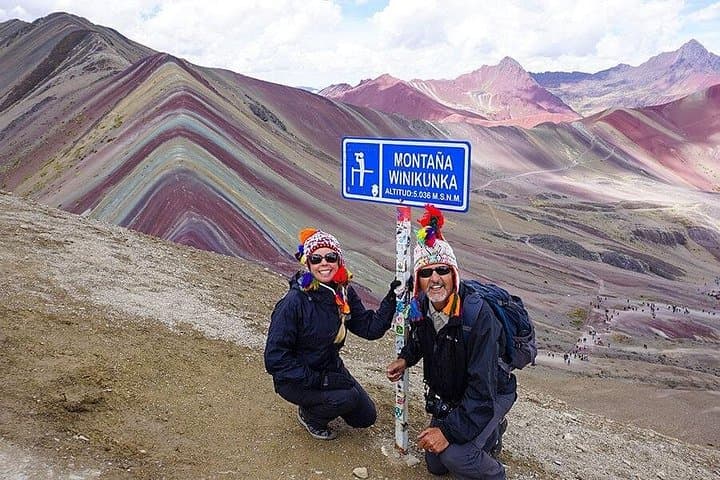
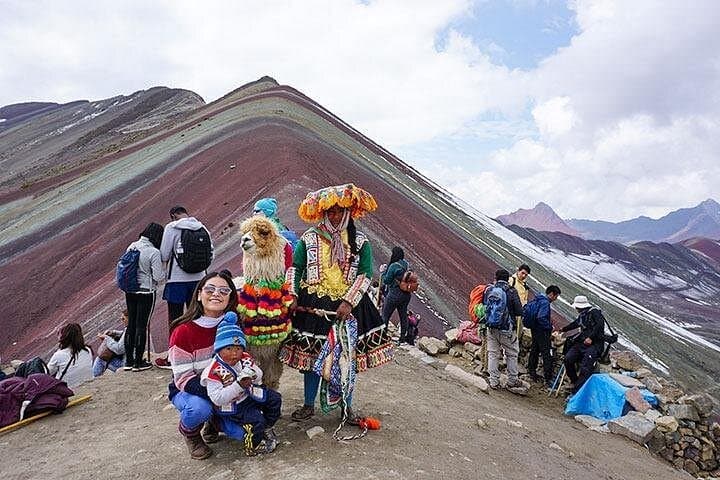
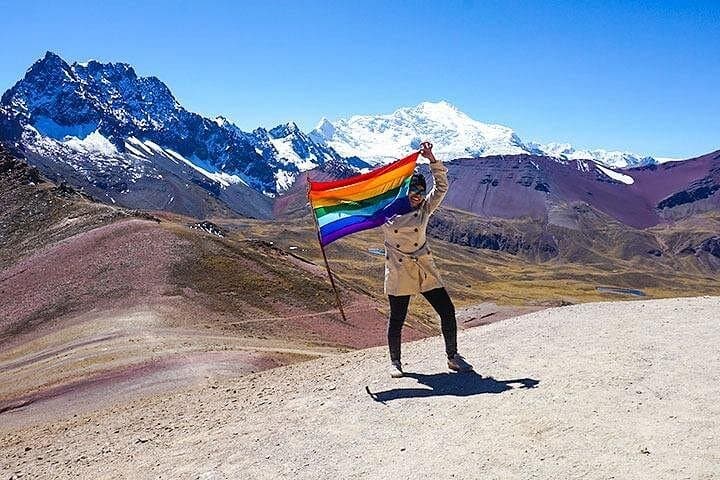
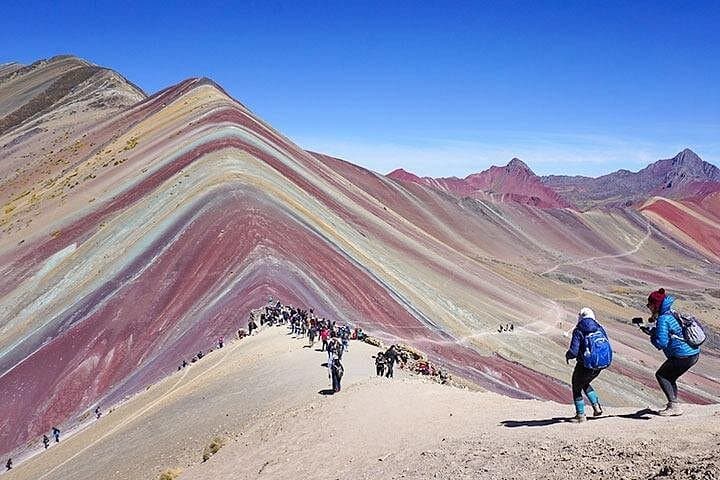
You step out of the van into thin, cold air as dawn cracks over the eastern flank of the Salkantay range. The trailhead at Soraypampa feels raw and immediate: the wind pushes across tussock grasses, and the path rises in steady switchbacks toward a turquoise mirror cupped below a glacial lip.
You step out of the van into thin, cold air as dawn cracks over the eastern flank of the Salkantay range. The trailhead at Soraypampa feels raw and immediate: the wind pushes across tussock grasses, and the path rises in steady switchbacks toward a turquoise mirror cupped below a glacial lip.
Humantay Lagoon sits at high altitude beneath the greater Salkantay massif, a region shaped by recent glaciation and active uplift of the central Andes. The area is part of the Quechua cultural landscape—local communities have long treated Salkantay as an apu, or sacred mountain—and remnants of pre-Columbian trail work still guide modern hikers.
Geologically, the lagoon collects meltwater from high snowfields; its color shifts with sunlight and sediment load, offering dramatic contrasts against moraine rock and snow. Culturally, Mollepata and Soraypampa towns act as staging points for Andean markets, cuisine, and llama caravans that still cross the high passes.
Practically: expect a 3–4 hour round-trip hike from Soraypampa, roughly 4–5 km with 350–450 m of elevation gain, finishing near 4,200 m (13,700 ft). Trails are rocky with short steep pitches—walking poles help. Acclimatize in Cusco for a day or two, hydrate, and layer for sun and wind; weather can flip from bright sun to sleet within an hour. Guides typically provide bottled water, walking sticks, and a cooked lunch in Mollepata after the descent.
Timing matters—arrive early for clearer skies and smaller crowds. Leave no trace: fragile high‑altitude plants recover slowly, so stay on the trail, pack out waste, and be mindful of oxygen limitations at altitude.