THE ADVENTURE COLLECTIVE® · Independent discovery and booking for outdoor travel

An early-morning drive from Cusco leads to a steep, 2-hour climb to Humantay Lagoon at 4,200 m. Expect vivid turquoise water, glacier-carved scenery, and a post-hike buffet in Mollepata — a full-day high-altitude outing that rewards steady pacing and proper acclimatization.
An early-morning drive from Cusco leads to a steep, 2-hour climb to Humantay Lagoon at 4,200 m. Expect vivid turquoise water, glacier-carved scenery, and a post-hike buffet in Mollepata — a full-day high-altitude outing that rewards steady pacing and proper acclimatization.
You stir awake in Cusco before dawn, board a minivan and watch dim street lamps slip away as the Andes grow taller. By breakfast in Mollepata the sky is paling; by Soraypampa the peaks of Apu Salkantay and Humantay fill the windshield, glaciers glinting like watchful summits. The trail then earns its quiet: a steep, rocky climb that asks for patience and thin-air breathing.
Verified experiences and guided adventures in the surrounding area.
Operated by tripscape · Cusco, Cusco Region
You stir awake in Cusco before dawn, board a minivan and watch dim street lamps slip away as the Andes grow taller. By breakfast in Mollepata the sky is paling; by Soraypampa the peaks of Apu Salkantay and Humantay fill the windshield, glaciers glinting like watchful summits. The trail then earns its quiet: a steep, rocky climb that asks for patience and thin-air breathing.
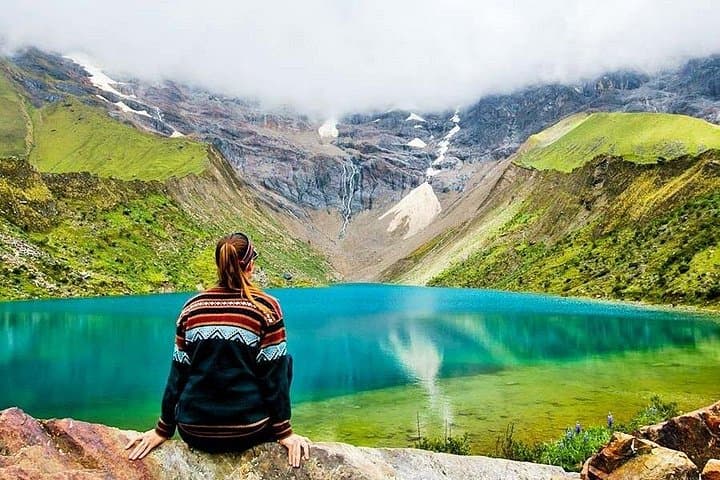
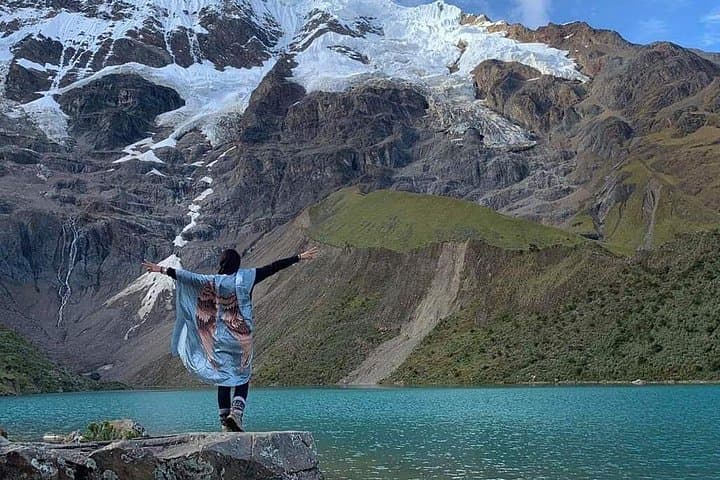
Humantay sits at roughly 4,200 meters, a glacially fed tarn whose turquoise hue comes from finely ground rock — glacial flour — suspended in meltwater. The landscape around it is young geology: moraine ridges, exposed bedrock and fast-draining soils carved by seasonal ice. For local Quechua communities these mountains are apus, sacred protectors with centuries of ritual significance; shepherds still move llamas and alpacas across the high grass.
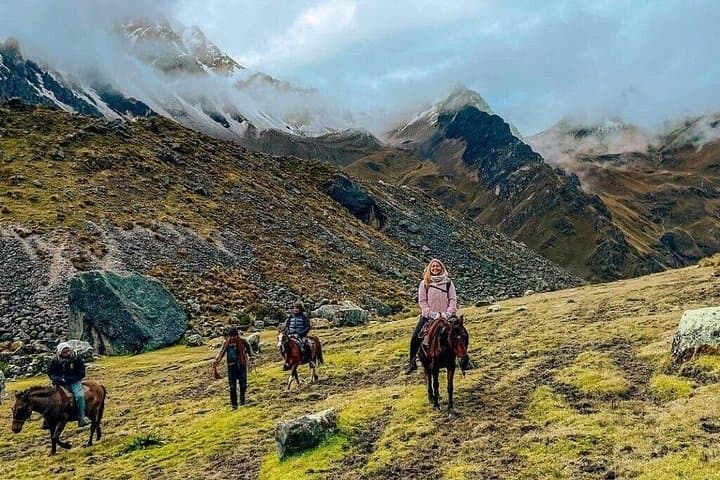
Practically, expect a 2-hour ascent on a steep trail with loose scree near the top, plus a shorter descent. Guides lead small groups and offer optional wooden canes and emergency oxygen. Plan to acclimatize in Cusco 24–48 hours first, drink water steadily, and wear layers — sun in the morning, cold and wind near the lagoon. Bring sun protection, trekking poles, and a light waterproof shell in the wet season.
After soaking in the view you’ll descend to a buffet lunch in Mollepata and return to Cusco late afternoon. The day is straightforward but high-altitude: small-group pace, clear rewards, and a landscape that quietly insists you respect its elevation and weather.
The trail from Soraypampa typically takes about 1.5–2 hours to ascend and roughly 1 hour to descend, depending on pace and acclimatization.
Yes — the lagoon is at ~4,200 m; spending 24–48 hours in Cusco beforehand and moving slowly on the trail lowers the risk of altitude illness.
Basic facilities are available at Soraypampa and near the trailhead; bring hand sanitizer and small change for fees.
The trail is steep and at high altitude; children and older adults should assess fitness and acclimatization and may prefer to move slowly or use the optional cane provided.
tripscape operates guided outdoor trips and adventures with an emphasis on safety, stewardship, and memorable experiences.

You stir awake in Cusco before dawn, board a minivan and watch dim street lamps slip away as the Andes grow taller. By breakfast in Mollepata the sky is paling; by Soraypampa the peaks of Apu Salkantay and Humantay fill the windshield, glaciers glinting like watchful summits. The trail then earns its quiet: a steep, rocky climb that asks for patience and thin-air breathing.
You stir awake in Cusco before dawn, board a minivan and watch dim street lamps slip away as the Andes grow taller. By breakfast in Mollepata the sky is paling; by Soraypampa the peaks of Apu Salkantay and Humantay fill the windshield, glaciers glinting like watchful summits. The trail then earns its quiet: a steep, rocky climb that asks for patience and thin-air breathing.
Humantay sits at roughly 4,200 meters, a glacially fed tarn whose turquoise hue comes from finely ground rock — glacial flour — suspended in meltwater. The landscape around it is young geology: moraine ridges, exposed bedrock and fast-draining soils carved by seasonal ice. For local Quechua communities these mountains are apus, sacred protectors with centuries of ritual significance; shepherds still move llamas and alpacas across the high grass.
Practically, expect a 2-hour ascent on a steep trail with loose scree near the top, plus a shorter descent. Guides lead small groups and offer optional wooden canes and emergency oxygen. Plan to acclimatize in Cusco 24–48 hours first, drink water steadily, and wear layers — sun in the morning, cold and wind near the lagoon. Bring sun protection, trekking poles, and a light waterproof shell in the wet season.
After soaking in the view you’ll descend to a buffet lunch in Mollepata and return to Cusco late afternoon. The day is straightforward but high-altitude: small-group pace, clear rewards, and a landscape that quietly insists you respect its elevation and weather.