THE ADVENTURE COLLECTIVE® · Independent discovery and booking for outdoor travel

A full-day trek from Cusco to the vivid blue Humantay Lagoon beneath the Salkantay massif. Expect steep switchbacks, thin air, and glacier-fed views—ideal for acclimatized hikers who want a high-altitude lake experience without multi-day camping.
A full-day trek from Cusco to the vivid blue Humantay Lagoon beneath the Salkantay massif. Expect steep switchbacks, thin air, and glacier-fed views—ideal for acclimatized hikers who want a high-altitude lake experience without multi-day camping.
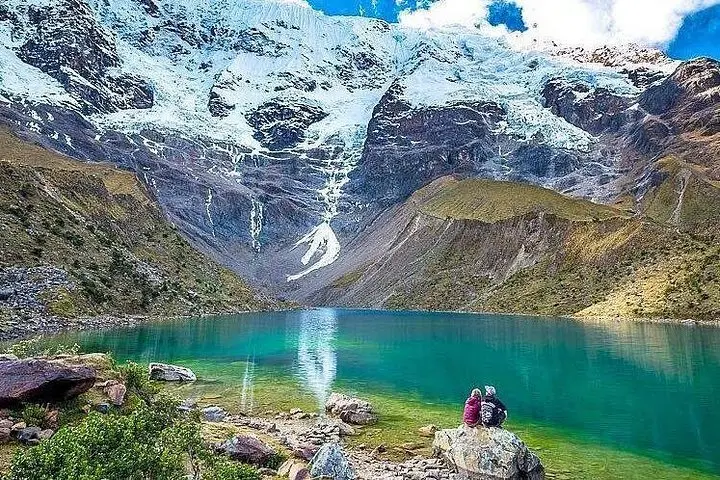
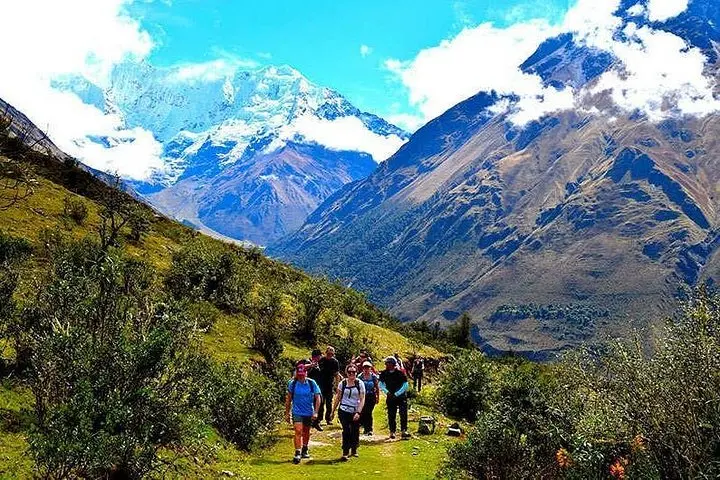
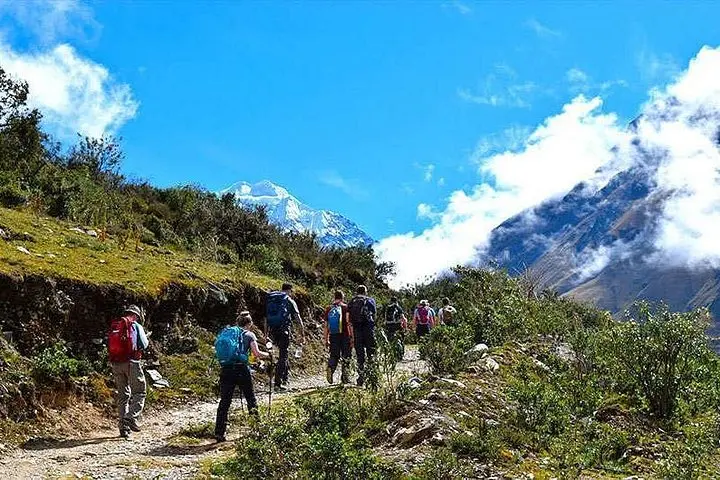
The road climbs out of Cusco before sunrise and the air thins until the peaks begin to assert themselves: slabs of granite, wind-scoured moraine, and a fringe of snow that flashes like metal. By Soraypampa the bus stops and the trail pulls you upward—an hour and a half of switchbacks, puna grass, and the occasional gust that seems to push you toward the glacial bowl where Humantay Lagoon sits, bright and impossible against the sky.
Verified experiences and guided adventures in the surrounding area.
Operated by Vamos Machu Picchu · Cusco, Cusco Region
The road climbs out of Cusco before sunrise and the air thins until the peaks begin to assert themselves: slabs of granite, wind-scoured moraine, and a fringe of snow that flashes like metal. By Soraypampa the bus stops and the trail pulls you upward—an hour and a half of switchbacks, puna grass, and the occasional gust that seems to push you toward the glacial bowl where Humantay Lagoon sits, bright and impossible against the sky.
Geology here is recent and raw. Humantay is held in a cirque carved by the Salkantay glacier; surrounding ridgelines are fractured and steep, a landscape remade by ice and freeze–thaw. For the Inca and modern Andean communities Salkantay remains an apu, a sacred mountain whose presence shapes weather, water, and local ritual. Small Quechua hamlets nearby still herd llamas and maintain seasonal grazing patterns.
Practically: expect a strenuous high-altitude day. The round trip from Cusco usually spans 10–15 hours including transfers; the steep trail gains roughly 400–500 m in about 1–2 hours one way from Soraypampa. Trails are rocky, often muddy after rain, and services are limited—bring water, snacks, and layers. Acclimatize in Cusco for at least 24–48 hours, move slowly on the ascent, and consider trekking poles to steady your pace.
Photography is best in morning light or late afternoon when the lagoon reflects the glacier. Respect local signs, stick to the path, and pack out everything you bring in—this high-altitude basin recovers slowly if disturbed.
The uphill walk typically takes 1–2 hours one way depending on fitness and acclimatization, covering roughly 2–3 km with about 400–500 m of elevation gain.
If you have known altitude sensitivity or cardiovascular issues, consult a physician—this trek reaches ~4,200 m and is not recommended without prior acclimatization.
Basic restroom facilities and small vendors exist at Soraypampa; on-trail services are minimal so bring water and snacks; the tour usually includes breakfast and a buffet lunch.
Layered clothing is best: moisture-wicking base, insulating mid-layer, and wind/rain shell; bring gloves and a warm hat for summit exposure.
Vamos Machu Picchu operates guided outdoor trips and adventures with an emphasis on safety, stewardship, and memorable experiences.
The road climbs out of Cusco before sunrise and the air thins until the peaks begin to assert themselves: slabs of granite, wind-scoured moraine, and a fringe of snow that flashes like metal. By Soraypampa the bus stops and the trail pulls you upward—an hour and a half of switchbacks, puna grass, and the occasional gust that seems to push you toward the glacial bowl where Humantay Lagoon sits, bright and impossible against the sky.
The road climbs out of Cusco before sunrise and the air thins until the peaks begin to assert themselves: slabs of granite, wind-scoured moraine, and a fringe of snow that flashes like metal. By Soraypampa the bus stops and the trail pulls you upward—an hour and a half of switchbacks, puna grass, and the occasional gust that seems to push you toward the glacial bowl where Humantay Lagoon sits, bright and impossible against the sky.
Geology here is recent and raw. Humantay is held in a cirque carved by the Salkantay glacier; surrounding ridgelines are fractured and steep, a landscape remade by ice and freeze–thaw. For the Inca and modern Andean communities Salkantay remains an apu, a sacred mountain whose presence shapes weather, water, and local ritual. Small Quechua hamlets nearby still herd llamas and maintain seasonal grazing patterns.
Practically: expect a strenuous high-altitude day. The round trip from Cusco usually spans 10–15 hours including transfers; the steep trail gains roughly 400–500 m in about 1–2 hours one way from Soraypampa. Trails are rocky, often muddy after rain, and services are limited—bring water, snacks, and layers. Acclimatize in Cusco for at least 24–48 hours, move slowly on the ascent, and consider trekking poles to steady your pace.
Photography is best in morning light or late afternoon when the lagoon reflects the glacier. Respect local signs, stick to the path, and pack out everything you bring in—this high-altitude basin recovers slowly if disturbed.