THE ADVENTURE COLLECTIVE® · Independent discovery and booking for outdoor travel

A high‑altitude day hike from Cusco to the striking turquoise Humantay Lake. Short but steep, this full‑day tour combines dramatic glacial scenery with cultural context and practical logistics for acclimatized hikers.
A high‑altitude day hike from Cusco to the striking turquoise Humantay Lake. Short but steep, this full‑day tour combines dramatic glacial scenery with cultural context and practical logistics for acclimatized hikers.
At first light the van slips out of Cusco and the high puna opens—cold air that bites and a sky that pushes cobalt into every crevice. By the time the group arrives at Soraypampa (≈3,900 m) the slope ahead is a band of scree, tussock grass and snow-bright rock; Humantay Lake sits like a polished bowl at 4,200 m, a sudden pocket of turquoise held beneath the Salkantay massif.
Verified experiences and guided adventures in the surrounding area.
Operated by salkantay trail peru · Cusco, Cusco
At first light the van slips out of Cusco and the high puna opens—cold air that bites and a sky that pushes cobalt into every crevice. By the time the group arrives at Soraypampa (≈3,900 m) the slope ahead is a band of scree, tussock grass and snow-bright rock; Humantay Lake sits like a polished bowl at 4,200 m, a sudden pocket of turquoise held beneath the Salkantay massif.
The lake is framed by glaciers and the Apus—mountain spirits of Andean tradition—whose names and myths have guided local Quechua communities for centuries. Geologically the basin is a glacial cirque carved during Pleistocene ice advances; meltwater continues to feed the lake and maintain its intense color. Visitors pass through agricultural terraces and small hamlets on the approach, reminders that these high valleys have supported cultivation and pastoral life for generations.
Practical guidance: expect a steep 1.8–2.0 km climb one-way (≈3.6–4 km round-trip) with roughly 300 m elevation gain and short sections of loose scree. Plan 1–1.5 hours up, 45–60 minutes down at a steady pace; the full tour from Cusco runs ~12 hours including transport and meals. Acclimatize in Cusco for at least 24–48 hours, bring layers for wind and sun, and walk deliberately—altitude changes demand a measured cadence. Water, snacks, sunscreen, and sturdy boots matter more than speed.
The experience is brief but elemental: cold wind that tests your jacket, the silence of high air, and a lake that compels the photo and the pause. Respect the trail, leave no trace, and allow time for the slow, deliberate work of altitude.
The trail is about 1.8–2.0 km one-way (approximately 3.6–4 km round-trip) with roughly 300 m of elevation gain; most people take 1–1.5 hours to ascend.
Yes—Humantay sits above 4,000 m. Spend 24–48 hours in Cusco to acclimatize, hydrate, avoid alcohol, and descend if symptoms worsen.
No technical climbing is required, but there are steep and loose sections; solid footwear and careful footing are advised.
Children can join but should be reasonably fit; the provider may offer mules or horses for part of the ascent in some operations—confirm when booking.
salkantay trail peru operates guided outdoor trips and adventures with an emphasis on safety, stewardship, and memorable experiences.
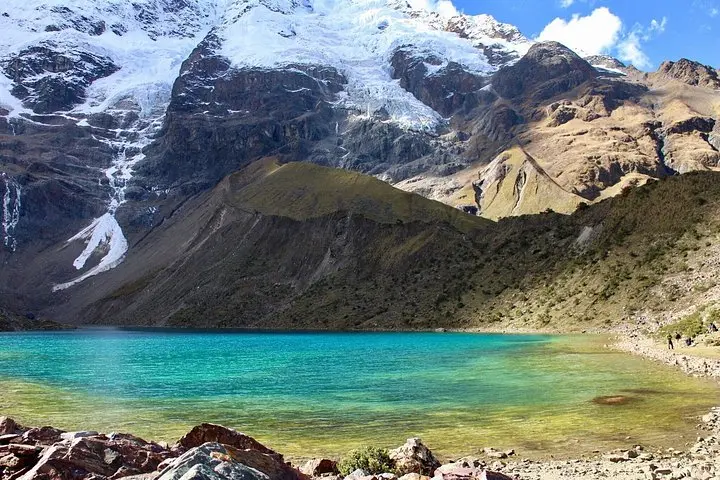
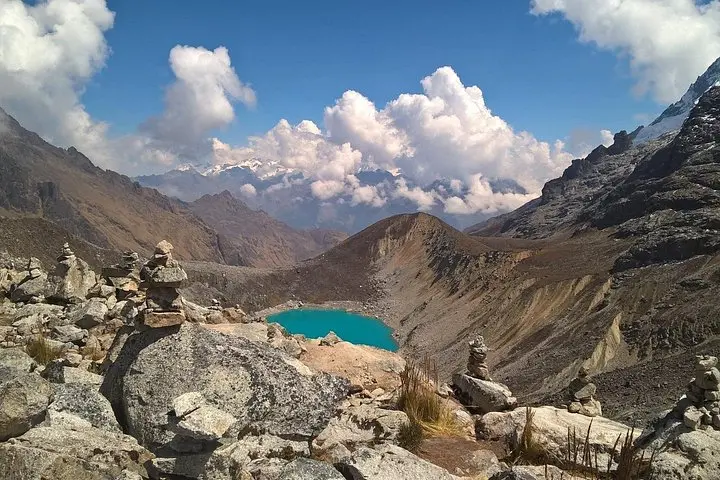
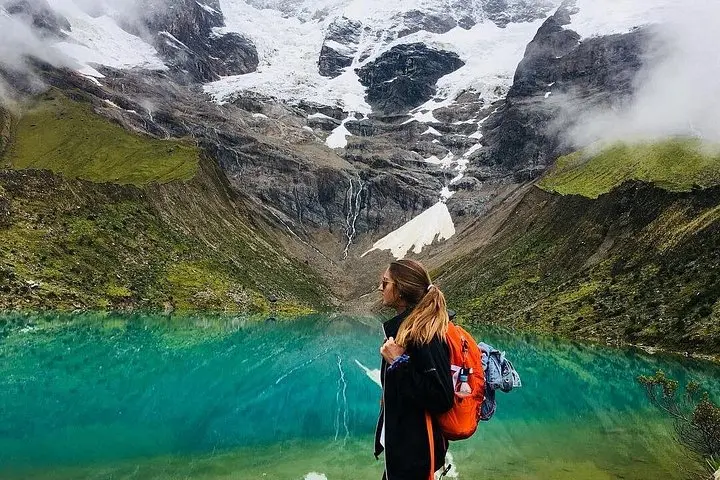
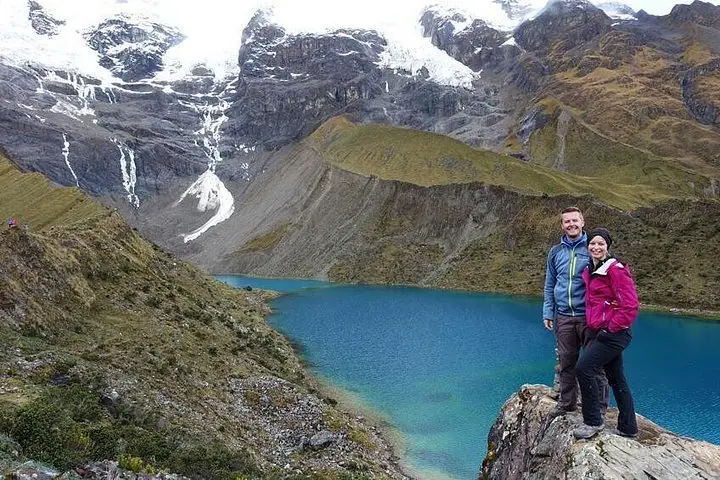
At first light the van slips out of Cusco and the high puna opens—cold air that bites and a sky that pushes cobalt into every crevice. By the time the group arrives at Soraypampa (≈3,900 m) the slope ahead is a band of scree, tussock grass and snow-bright rock; Humantay Lake sits like a polished bowl at 4,200 m, a sudden pocket of turquoise held beneath the Salkantay massif.
At first light the van slips out of Cusco and the high puna opens—cold air that bites and a sky that pushes cobalt into every crevice. By the time the group arrives at Soraypampa (≈3,900 m) the slope ahead is a band of scree, tussock grass and snow-bright rock; Humantay Lake sits like a polished bowl at 4,200 m, a sudden pocket of turquoise held beneath the Salkantay massif.
The lake is framed by glaciers and the Apus—mountain spirits of Andean tradition—whose names and myths have guided local Quechua communities for centuries. Geologically the basin is a glacial cirque carved during Pleistocene ice advances; meltwater continues to feed the lake and maintain its intense color. Visitors pass through agricultural terraces and small hamlets on the approach, reminders that these high valleys have supported cultivation and pastoral life for generations.
Practical guidance: expect a steep 1.8–2.0 km climb one-way (≈3.6–4 km round-trip) with roughly 300 m elevation gain and short sections of loose scree. Plan 1–1.5 hours up, 45–60 minutes down at a steady pace; the full tour from Cusco runs ~12 hours including transport and meals. Acclimatize in Cusco for at least 24–48 hours, bring layers for wind and sun, and walk deliberately—altitude changes demand a measured cadence. Water, snacks, sunscreen, and sturdy boots matter more than speed.
The experience is brief but elemental: cold wind that tests your jacket, the silence of high air, and a lake that compels the photo and the pause. Respect the trail, leave no trace, and allow time for the slow, deliberate work of altitude.