THE ADVENTURE COLLECTIVE® · Independent discovery and booking for outdoor travel

A brisk, high-Andes day hike from Cusco to the glacier-fed Humantay Lake offers dramatic alpine views and a moderate climb to 4,200 m. Learn what to expect on trail, how to prepare for altitude, and practical tips for making the most of this one-day excursion.
A brisk, high-Andes day hike from Cusco to the glacier-fed Humantay Lake offers dramatic alpine views and a moderate climb to 4,200 m. Learn what to expect on trail, how to prepare for altitude, and practical tips for making the most of this one-day excursion.
A pre-dawn van leaves Cusco while the high Andes still hold their cold breath; the road drops into the Apurímac valley and climbs again toward Soraypampa, where the trailhead sits at about 3,900 m. By the time you lace boots and step off, the sky is paling and the peaks push light across a landscape that feels both raw and patient.
Verified experiences and guided adventures in the surrounding area.
Operated by Machupicchu Nice · Soraypampa, Cusco Region
A pre-dawn van leaves Cusco while the high Andes still hold their cold breath; the road drops into the Apurímac valley and climbs again toward Soraypampa, where the trailhead sits at about 3,900 m. By the time you lace boots and step off, the sky is paling and the peaks push light across a landscape that feels both raw and patient.
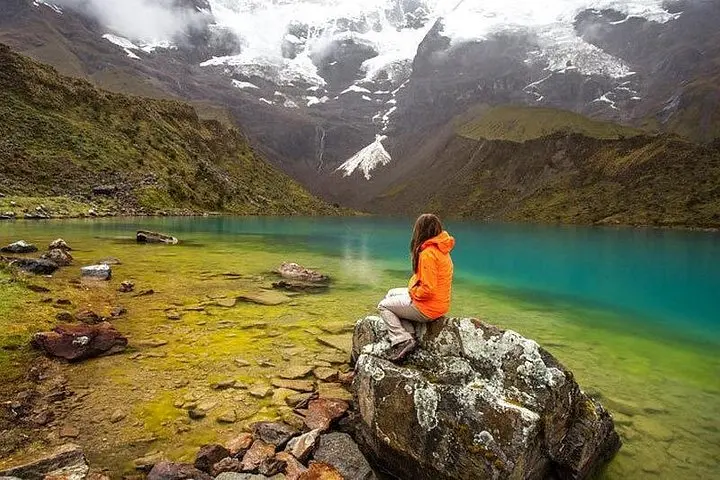
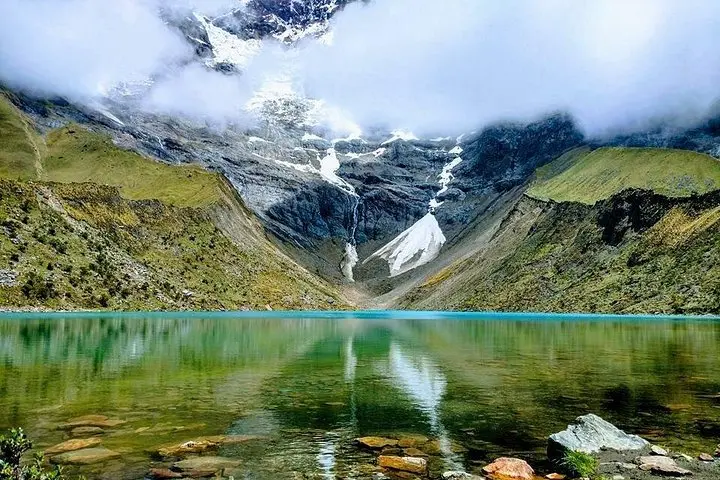
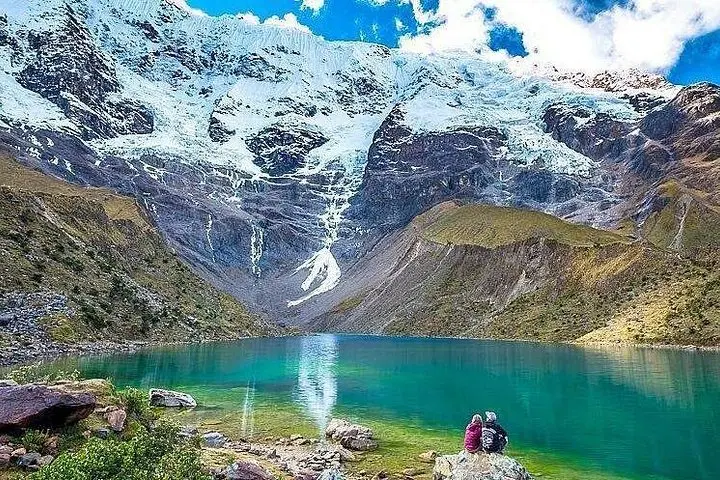
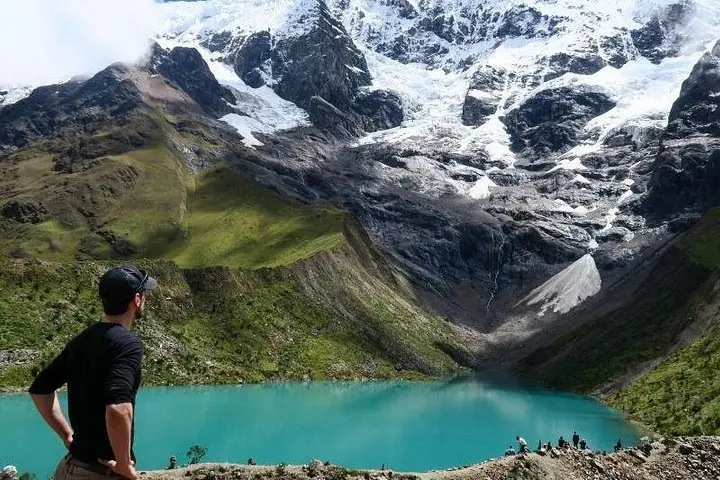
Humantay Lake sits in a glacial cirque at roughly 4,200 m, a bowl carved by ice and fed by meltwater that catches and scatters light into that signature turquoise. The route rises steadily for 1–1.5 hours on compacted moraine and switchbacks—short, steep pitches that force you to keep a deliberate rhythm. This valley is part of the Salkantay massif and carries deep Quechua significance; mountains here have been offerings and markers for generations.
Expect thin air and big views more than technical terrain. The hike is mostly singletrack with rocky steps and occasional scree; the payoff is a mirror-still lake cradled by snowy summits. Guides typically include breakfast in Mollepata and a buffet lunch back at Soraypampa, plus transport and a basic first-aid kit.
Practical edge: acclimatize in Cusco for 48–72 hours, carry layered insulation, sun protection, and at least 1–2 liters of water. Pace your ascent—altitude, not trail difficulty, is the main variable. Cameras deserve extra batteries in the cold; pockets will fog without barrier layers. Return travel to Cusco fills the afternoon, leaving you enough time to recover or explore the city’s plazas and markets.
Laguna Humantay sits around 4,200 m; the hike from Soraypampa is typically a 1–1.5 hour ascent each way within an overall 8-hour tour including transfers and meals.
No special permit is required for the standard day hike; most operators include entrance fees and transport in the tour price.
Acclimatize in Cusco for 48–72 hours, hydrate, eat lightly, ascend slowly, and consider coca tea or acetazolamide after consulting a physician if you have prior issues.
Basic facilities and vendor options exist at Soraypampa; the tour usually includes breakfast and a buffet lunch back at camp or a nearby lodge.
Machupicchu Nice operates guided outdoor trips and adventures with an emphasis on safety, stewardship, and memorable experiences.
A pre-dawn van leaves Cusco while the high Andes still hold their cold breath; the road drops into the Apurímac valley and climbs again toward Soraypampa, where the trailhead sits at about 3,900 m. By the time you lace boots and step off, the sky is paling and the peaks push light across a landscape that feels both raw and patient.
A pre-dawn van leaves Cusco while the high Andes still hold their cold breath; the road drops into the Apurímac valley and climbs again toward Soraypampa, where the trailhead sits at about 3,900 m. By the time you lace boots and step off, the sky is paling and the peaks push light across a landscape that feels both raw and patient.
Humantay Lake sits in a glacial cirque at roughly 4,200 m, a bowl carved by ice and fed by meltwater that catches and scatters light into that signature turquoise. The route rises steadily for 1–1.5 hours on compacted moraine and switchbacks—short, steep pitches that force you to keep a deliberate rhythm. This valley is part of the Salkantay massif and carries deep Quechua significance; mountains here have been offerings and markers for generations.
Expect thin air and big views more than technical terrain. The hike is mostly singletrack with rocky steps and occasional scree; the payoff is a mirror-still lake cradled by snowy summits. Guides typically include breakfast in Mollepata and a buffet lunch back at Soraypampa, plus transport and a basic first-aid kit.
Practical edge: acclimatize in Cusco for 48–72 hours, carry layered insulation, sun protection, and at least 1–2 liters of water. Pace your ascent—altitude, not trail difficulty, is the main variable. Cameras deserve extra batteries in the cold; pockets will fog without barrier layers. Return travel to Cusco fills the afternoon, leaving you enough time to recover or explore the city’s plazas and markets.