THE ADVENTURE COLLECTIVE® · Independent discovery and booking for outdoor travel

A one-day high-altitude hike from Cusco to the striking turquoise Humantay Lake. Expect steep, stony switchbacks, glacier-fed views, and essential acclimatization advice for a safe, memorable trek.
A one-day high-altitude hike from Cusco to the striking turquoise Humantay Lake. Expect steep, stony switchbacks, glacier-fed views, and essential acclimatization advice for a safe, memorable trek.
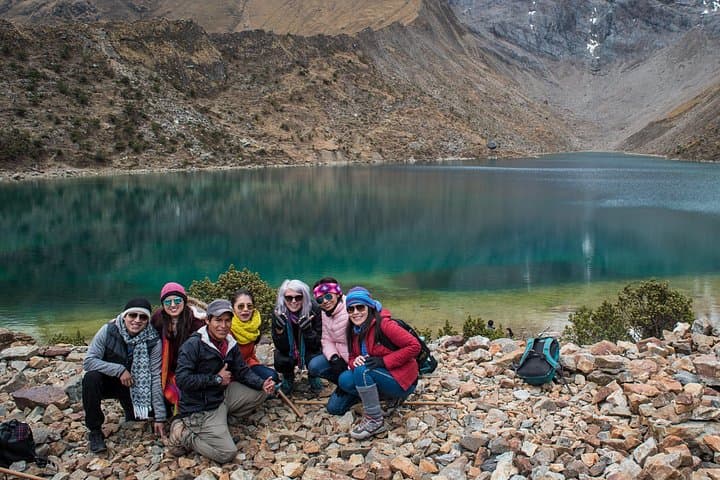
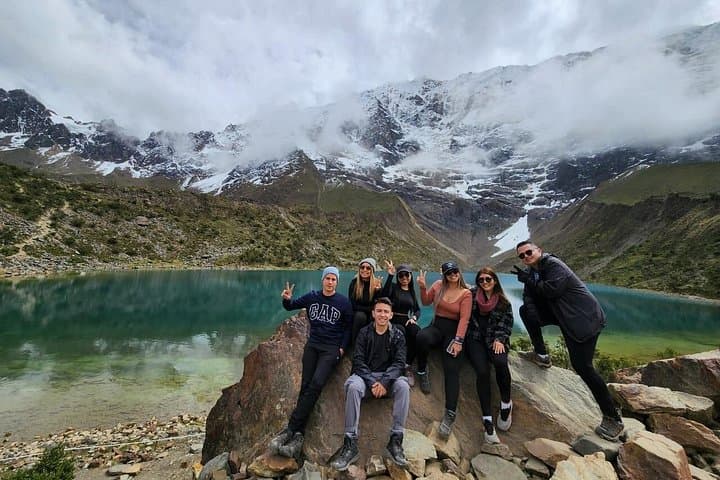
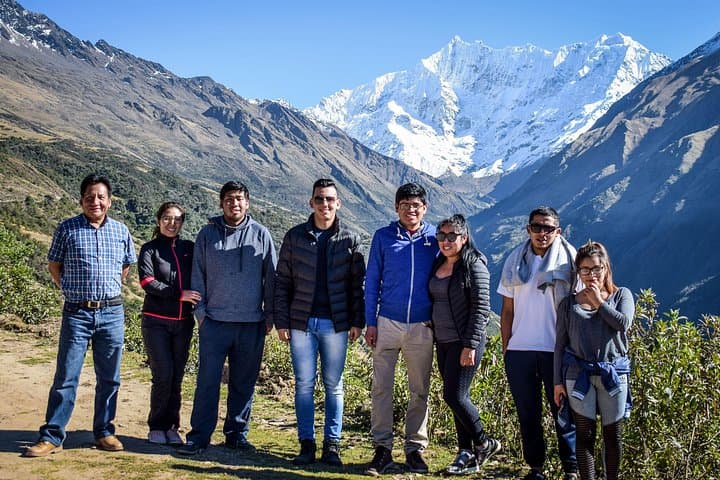
Dawn arrives cold and blue as the minivan climbs out of Cusco toward the high puna. By breakfast in Mollepata the Andes have already begun to change—canyons open, cloud forest thins, and the air thins faster than the road. The final dirt track drops you at a windy parking where the trailhead points up: a 3 km climb to Humantay Lake, sitting like a bright coin at 4,200 m beneath the snow shoulders of Humantay and the great Salkantay.
Verified experiences and guided adventures in the surrounding area.
Operated by Kantu Peru Tours · Mollepata, Cusco
Dawn arrives cold and blue as the minivan climbs out of Cusco toward the high puna. By breakfast in Mollepata the Andes have already begun to change—canyons open, cloud forest thins, and the air thins faster than the road. The final dirt track drops you at a windy parking where the trailhead points up: a 3 km climb to Humantay Lake, sitting like a bright coin at 4,200 m beneath the snow shoulders of Humantay and the great Salkantay.
This is an Andean landscape carved by tectonic uplift and glacial sculpting; the turquoise color of the lagoon comes from finely ground rock flour carried into the basin by seasonal melt. The area has been part of local Quechua territory for centuries and the mountains are still treated with reverence—guides will often share local customs and the history of nearby Salkantay, a major peak in Inca lore.
On the path expect stony switchbacks, high-altitude tussock grass, and sudden panoramas that force you to stop for breath and photos. The hike is short but steep; many groups move at a slow, deliberate pace with frequent rests to counter the altitude.
Practical guidance: acclimatize in Cusco for at least 48 hours, carry 1–2 liters of water, sun protection, and layers for wind and cold. Use trekking poles, move at your own rhythm, and allow time at the lake to absorb both the view and the thin air before the return descent and the full-day drive back to the city.
The uphill hike is about 3 km and typically takes 1–1.5 hours depending on pace and acclimatization.
Yes—spend at least 48 hours in Cusco or at moderate elevation beforehand to lower the risk of altitude sickness.
The distance is short but steep; beginners with basic fitness can complete it if they ascend slowly and use poles.
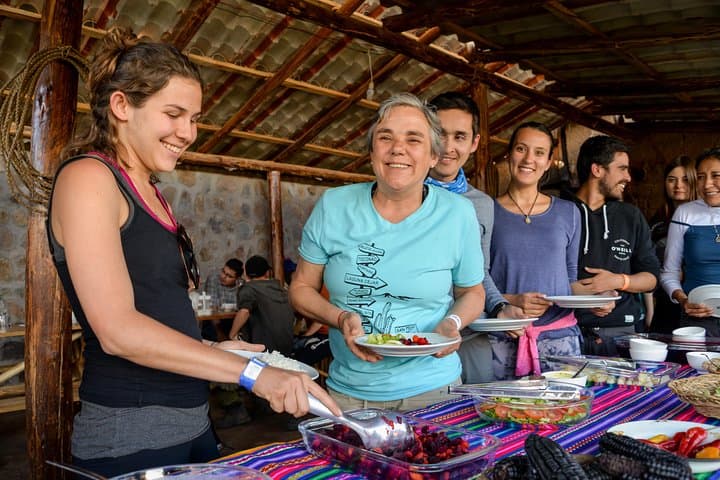
Typical inclusions are hotel pickup, transport, breakfast, lunch buffet, guide, walking stick, first aid and oxygen.
Kantu Peru Tours operates guided outdoor trips and adventures with an emphasis on safety, stewardship, and memorable experiences.
Dawn arrives cold and blue as the minivan climbs out of Cusco toward the high puna. By breakfast in Mollepata the Andes have already begun to change—canyons open, cloud forest thins, and the air thins faster than the road. The final dirt track drops you at a windy parking where the trailhead points up: a 3 km climb to Humantay Lake, sitting like a bright coin at 4,200 m beneath the snow shoulders of Humantay and the great Salkantay.
Dawn arrives cold and blue as the minivan climbs out of Cusco toward the high puna. By breakfast in Mollepata the Andes have already begun to change—canyons open, cloud forest thins, and the air thins faster than the road. The final dirt track drops you at a windy parking where the trailhead points up: a 3 km climb to Humantay Lake, sitting like a bright coin at 4,200 m beneath the snow shoulders of Humantay and the great Salkantay.
This is an Andean landscape carved by tectonic uplift and glacial sculpting; the turquoise color of the lagoon comes from finely ground rock flour carried into the basin by seasonal melt. The area has been part of local Quechua territory for centuries and the mountains are still treated with reverence—guides will often share local customs and the history of nearby Salkantay, a major peak in Inca lore.
On the path expect stony switchbacks, high-altitude tussock grass, and sudden panoramas that force you to stop for breath and photos. The hike is short but steep; many groups move at a slow, deliberate pace with frequent rests to counter the altitude.
Practical guidance: acclimatize in Cusco for at least 48 hours, carry 1–2 liters of water, sun protection, and layers for wind and cold. Use trekking poles, move at your own rhythm, and allow time at the lake to absorb both the view and the thin air before the return descent and the full-day drive back to the city.