THE ADVENTURE COLLECTIVE® · Independent discovery and booking for outdoor travel

A high-Andean day-hike from Cusco leads to Humantay’s electric-blue lagoon beneath Salkantay’s snow face. This practical guide covers what to expect, how to prepare, and essential route details for the 10‑hour excursion.
A high-Andean day-hike from Cusco leads to Humantay’s electric-blue lagoon beneath Salkantay’s snow face. This practical guide covers what to expect, how to prepare, and essential route details for the 10‑hour excursion.
Before dawn the van threads out of Cusco and the high puna opens like an arid ocean. By the time you reach Soraypampa the air is thin and cold; the trail climbs through tussock grass and scattered polylepis, and then, suddenly, the lake appears — a bowl of bright turquoise cupped beneath the snow flank of Salkantay. The water is startling because the mountain behind it is so large it seems to push the sky forward.
Verified experiences and guided adventures in the surrounding area.
Operated by Peru Like · Cusco, Cusco
Before dawn the van threads out of Cusco and the high puna opens like an arid ocean. By the time you reach Soraypampa the air is thin and cold; the trail climbs through tussock grass and scattered polylepis, and then, suddenly, the lake appears — a bowl of bright turquoise cupped beneath the snow flank of Salkantay. The water is startling because the mountain behind it is so large it seems to push the sky forward.
Humantay — named for a nearby 5,473 m summit — sits in the Salkantay watershed, formed by glacier melt and shaped by Pleistocene glaciation that carved steep cirques and moraine. For local Quechua communities the lagoon is culturally significant; it is one of several high-altitude lakes treated as offerings to the Apus (mountain spirits). Today it’s a day-hike destination from Cusco or a highlight on longer Salkantay treks.
Expect a firm uphill trail from Soraypampa to the rim: roughly 4–6 km round-trip with about 400–450 m of elevation gain, depending on the exact start, and 1.5–2 hours of ascent for fit walkers. Weather shifts fast — sun, wind and snow are all possible in a single afternoon — and the oxygen thinness makes pace and hydration the real issues. Guides commonly include transport, food, and trekking poles; oxygen is sometimes available.
Plan for an early start, layer smartly, and give yourself time to acclimatize in Cusco (3,400 m) first. Stay on the trail, respect local rituals, and leave no trace: high-Andean wetlands recover slowly but reward visitors with unmatched views of Salkantay and sky-reflecting water.
The trail is typically 4–6 km round-trip with about 400–450 m elevation gain; plan for 1.5–2 hours up and 45–90 minutes down depending on pace.
Yes — the lagoon sits around 4,200 m (13,800 ft). Acclimatize in Cusco, hydrate, avoid alcohol before the hike, and descend if you experience severe symptoms.
Guides and entrance fees are common; many day tours include transport, meals, guide, and poles — permits are managed at the site by local authorities and usually included in guided packages.
Dry season (May–September) offers clearer skies and firmer trails; shoulder months can be quieter but expect more variable weather.
Peru Like operates guided outdoor trips and adventures with an emphasis on safety, stewardship, and memorable experiences.

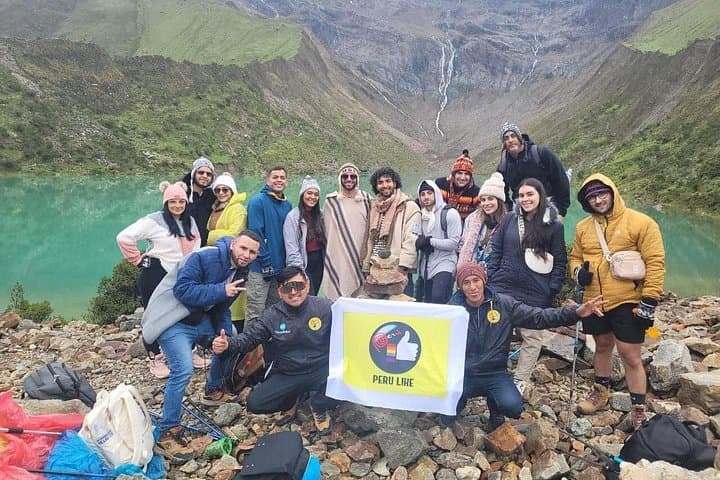
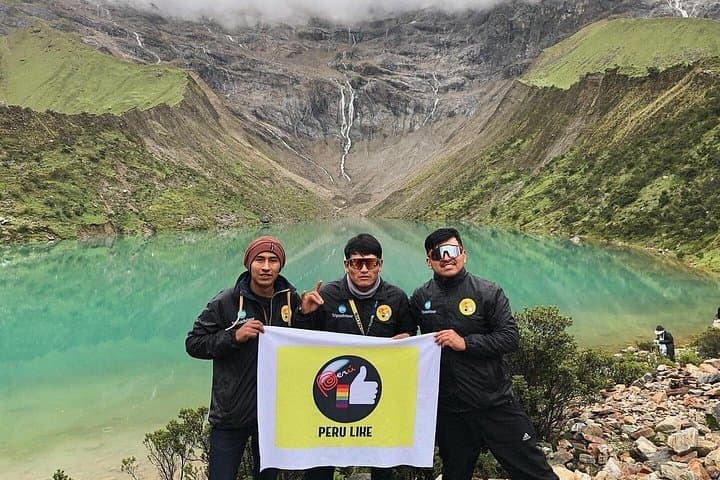
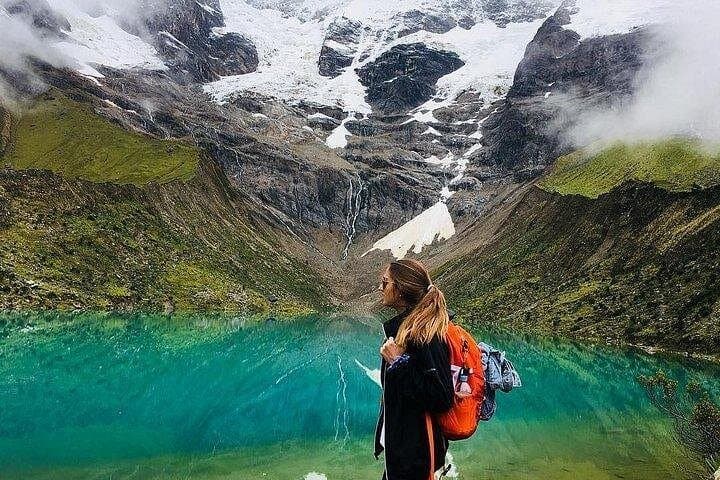
Before dawn the van threads out of Cusco and the high puna opens like an arid ocean. By the time you reach Soraypampa the air is thin and cold; the trail climbs through tussock grass and scattered polylepis, and then, suddenly, the lake appears — a bowl of bright turquoise cupped beneath the snow flank of Salkantay. The water is startling because the mountain behind it is so large it seems to push the sky forward.
Before dawn the van threads out of Cusco and the high puna opens like an arid ocean. By the time you reach Soraypampa the air is thin and cold; the trail climbs through tussock grass and scattered polylepis, and then, suddenly, the lake appears — a bowl of bright turquoise cupped beneath the snow flank of Salkantay. The water is startling because the mountain behind it is so large it seems to push the sky forward.
Humantay — named for a nearby 5,473 m summit — sits in the Salkantay watershed, formed by glacier melt and shaped by Pleistocene glaciation that carved steep cirques and moraine. For local Quechua communities the lagoon is culturally significant; it is one of several high-altitude lakes treated as offerings to the Apus (mountain spirits). Today it’s a day-hike destination from Cusco or a highlight on longer Salkantay treks.
Expect a firm uphill trail from Soraypampa to the rim: roughly 4–6 km round-trip with about 400–450 m of elevation gain, depending on the exact start, and 1.5–2 hours of ascent for fit walkers. Weather shifts fast — sun, wind and snow are all possible in a single afternoon — and the oxygen thinness makes pace and hydration the real issues. Guides commonly include transport, food, and trekking poles; oxygen is sometimes available.
Plan for an early start, layer smartly, and give yourself time to acclimatize in Cusco (3,400 m) first. Stay on the trail, respect local rituals, and leave no trace: high-Andean wetlands recover slowly but reward visitors with unmatched views of Salkantay and sky-reflecting water.