THE ADVENTURE COLLECTIVE® · Independent discovery and booking for outdoor travel

A long, high-altitude day hike from Cusco to Humantay Lake that rewards steady effort with brilliant turquoise water and towering Salkantay views. This small-group option includes meals, guides, and hotel transfers—prepare to acclimate and layer for a full-day mountain experience.
A long, high-altitude day hike from Cusco to Humantay Lake that rewards steady effort with brilliant turquoise water and towering Salkantay views. This small-group option includes meals, guides, and hotel transfers—prepare to acclimate and layer for a full-day mountain experience.
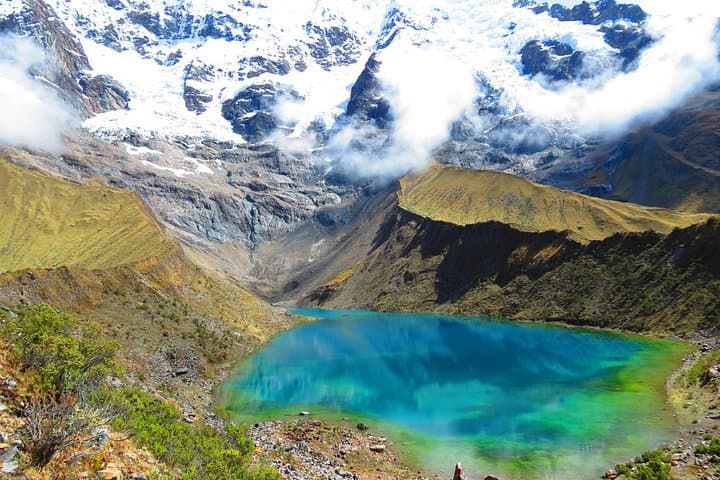
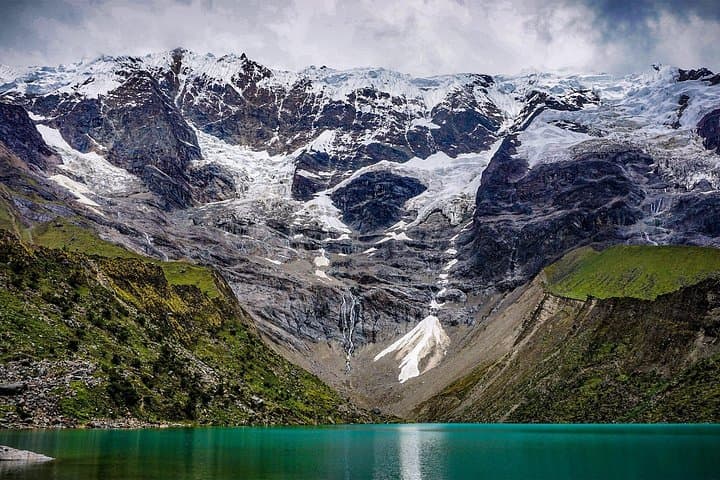
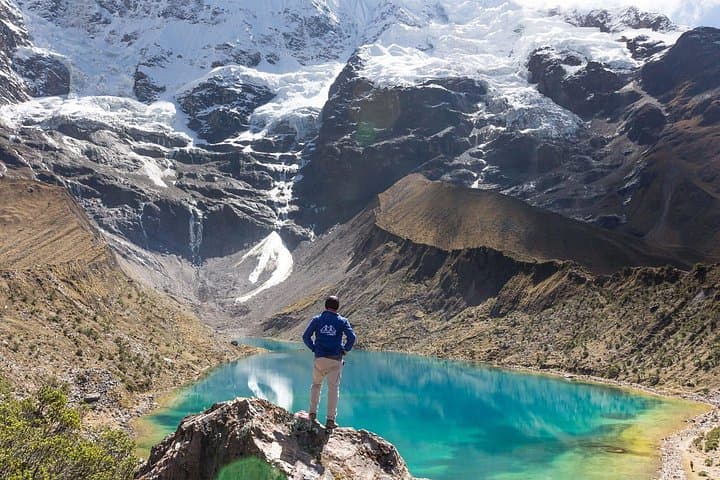
You step out of the van before dawn, the air thin and sharp, and the trailhead at Soraypampa waiting like a silent promise. Light eases over rocky ridgelines as the group pulls jackets tighter; ahead, Humantay Lake glows an impossible turquoise, cupped by Salkantay’s glaciated flanks.
Verified experiences and guided adventures in the surrounding area.
Operated by FlashpackerConnect LLC · Soraypampa / Mollepata, Cusco Region
You step out of the van before dawn, the air thin and sharp, and the trailhead at Soraypampa waiting like a silent promise. Light eases over rocky ridgelines as the group pulls jackets tighter; ahead, Humantay Lake glows an impossible turquoise, cupped by Salkantay’s glaciated flanks.
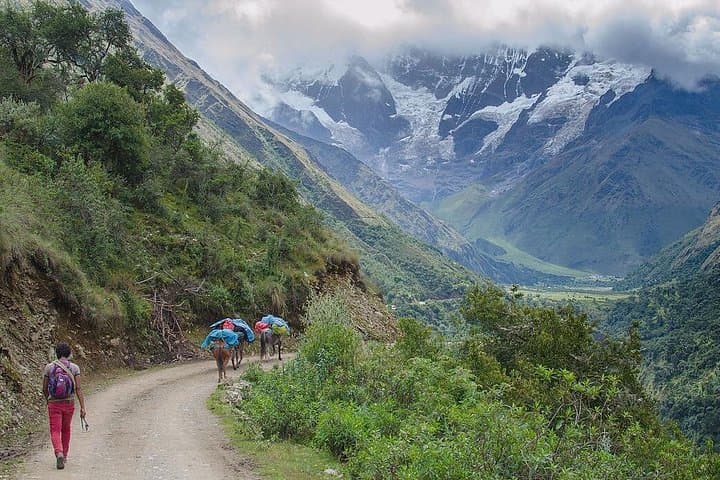
The route follows sections of the historic Camino Real and local mule tracks carved through high puna grass and scree. Geologically, you’re walking on uplifted Andean bedrock with glacial moraines framing the lake basin—Salkantay and Humantay are part of the same tectonic drama that raised the cordillera. Culturally the summit draws local Quechua reverence: visitors often encounter small ritual offerings to Pachamama and the occasional blessing from a local shaman.
Expect a steep, sustained climb—roughly 7 km round trip with about 360–370 m (1,200 ft) of ascent concentrated on the final section—above 4,000 m (13,000 ft), where breathing slows and every step matters. The shoreline is stony; many stop to warm hands on thermoses and consider a rapid, numbing dip.
Practical guidance: acclimate in Cusco for 48–72 hours, hydrate, and keep pace—slow, steady steps conserve energy at altitude. Layers are essential: windproof outer, insulating mid-layer, hat and gloves. Trekking poles reduce strain on the knees when the descent becomes a rhythm of steeper switchbacks.
This is a long day—early pickup, hours of driving, a challenging ascent and the return trip—rewarded by some of the most vivid alpine water and mountain views in southern Peru.
The hike itself is about 7 km round trip with roughly 360–370 m of ascent; including transfers from Cusco the full day is typically 10–12 hours.
Yes—spend at least 48 hours in Cusco (preferably 72) to reduce risk of altitude sickness before attempting this hike.
Technically it’s non-technical but steep and high; slip hazards and altitude are the main concerns—appropriate footwear and cautious pacing mitigate risks.
Some guests briefly enter the water, but it is glacier-fed and extremely cold; not recommended unless you understand the health risks at altitude.
FlashpackerConnect LLC operates guided outdoor trips and adventures with an emphasis on safety, stewardship, and memorable experiences.
You step out of the van before dawn, the air thin and sharp, and the trailhead at Soraypampa waiting like a silent promise. Light eases over rocky ridgelines as the group pulls jackets tighter; ahead, Humantay Lake glows an impossible turquoise, cupped by Salkantay’s glaciated flanks.
You step out of the van before dawn, the air thin and sharp, and the trailhead at Soraypampa waiting like a silent promise. Light eases over rocky ridgelines as the group pulls jackets tighter; ahead, Humantay Lake glows an impossible turquoise, cupped by Salkantay’s glaciated flanks.
The route follows sections of the historic Camino Real and local mule tracks carved through high puna grass and scree. Geologically, you’re walking on uplifted Andean bedrock with glacial moraines framing the lake basin—Salkantay and Humantay are part of the same tectonic drama that raised the cordillera. Culturally the summit draws local Quechua reverence: visitors often encounter small ritual offerings to Pachamama and the occasional blessing from a local shaman.
Expect a steep, sustained climb—roughly 7 km round trip with about 360–370 m (1,200 ft) of ascent concentrated on the final section—above 4,000 m (13,000 ft), where breathing slows and every step matters. The shoreline is stony; many stop to warm hands on thermoses and consider a rapid, numbing dip.
Practical guidance: acclimate in Cusco for 48–72 hours, hydrate, and keep pace—slow, steady steps conserve energy at altitude. Layers are essential: windproof outer, insulating mid-layer, hat and gloves. Trekking poles reduce strain on the knees when the descent becomes a rhythm of steeper switchbacks.
This is a long day—early pickup, hours of driving, a challenging ascent and the return trip—rewarded by some of the most vivid alpine water and mountain views in southern Peru.