THE ADVENTURE COLLECTIVE® · Independent discovery and booking for outdoor travel

A high-altitude day hike from Cusco leads to Humantay’s brilliant turquoise lagoon, carved by glaciers and framed by snow-capped peaks. Short in distance but steep and exposed, the trail demands acclimatization and sturdy footwear.
A high-altitude day hike from Cusco leads to Humantay’s brilliant turquoise lagoon, carved by glaciers and framed by snow-capped peaks. Short in distance but steep and exposed, the trail demands acclimatization and sturdy footwear.
A pale-blue bowl appears above the high plain, rimmed by snow and jagged moraine—the lake seems to hold the sky. The day begins before dawn in Cusco, a small caravan of travelers moving through the Apurímac valley toward Mollepata; by mid-morning the trail at Soraypampa (≈3,900 m) opens into a steep switchback that climbs to Humantay (≈4,200 m). The final approach moves through wind-scoured grass and glacial scree; the lake’s color comes from suspended glacial flour and the light off surrounding summits.
Verified experiences and guided adventures in the surrounding area.
Operated by PaRa Travels · Cusco, Cusco
A pale-blue bowl appears above the high plain, rimmed by snow and jagged moraine—the lake seems to hold the sky. The day begins before dawn in Cusco, a small caravan of travelers moving through the Apurímac valley toward Mollepata; by mid-morning the trail at Soraypampa (≈3,900 m) opens into a steep switchback that climbs to Humantay (≈4,200 m). The final approach moves through wind-scoured grass and glacial scree; the lake’s color comes from suspended glacial flour and the light off surrounding summits.
Geology here is direct: a cirque basin carved by glaciers and fed by melt from high Andean peaks. Culturally, the area sits on traditional Quechua lands where mountain worship and offerings (apachetas) are still visible at trail junctions. The short but steep route rewards patience with broad Salkantay and Humantay faces that loom and then recede as you gain elevation.
Practically, the hike is less about distance and more about altitude and grade—expect 1.5–2 hours of steady ascent from Soraypampa, loose rock underfoot, and strong sun. Guides provide breakfast and a boxed lunch; transport returns to Cusco by evening. Hydration, slow pacing, and prior acclimatization matter more than speed. Pack windproof layers, good boots, sunscreen, and water; move deliberately on the descent to protect knees.
For travelers, the lake is a one-day, high-altitude highlight—photogenic, immediate, and raw—best approached with respect for thin air and changing weather.
Expect about 1.5–2 hours each way for the ascent and 1–1.5 hours for the descent, depending on pace and stops.
Yes—spending a day or two in Cusco (3,400 m) or similar altitude is recommended to lower the risk of altitude sickness.
Physically capable children and older adults can complete the hike, but it’s not recommended for those with cardiovascular issues or pregnancy due to altitude and steep terrain.
Conditions change fast—sunny mornings can turn to cold winds or snow; bring layers and expect colder temperatures at the lake than in Cusco.
PaRa Travels operates guided outdoor trips and adventures with an emphasis on safety, stewardship, and memorable experiences.
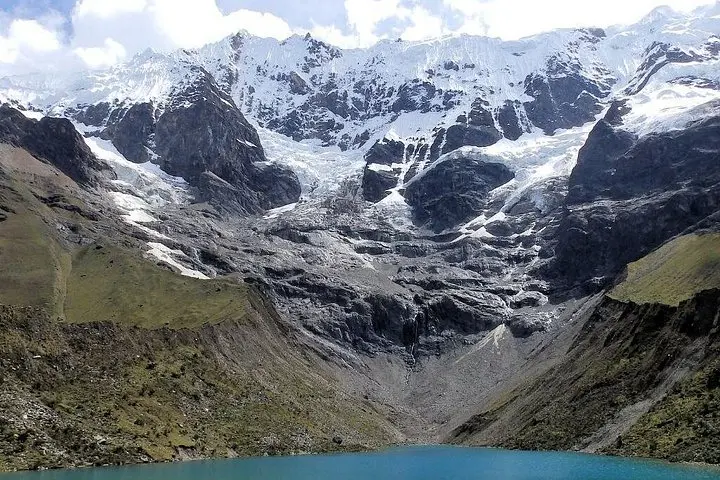
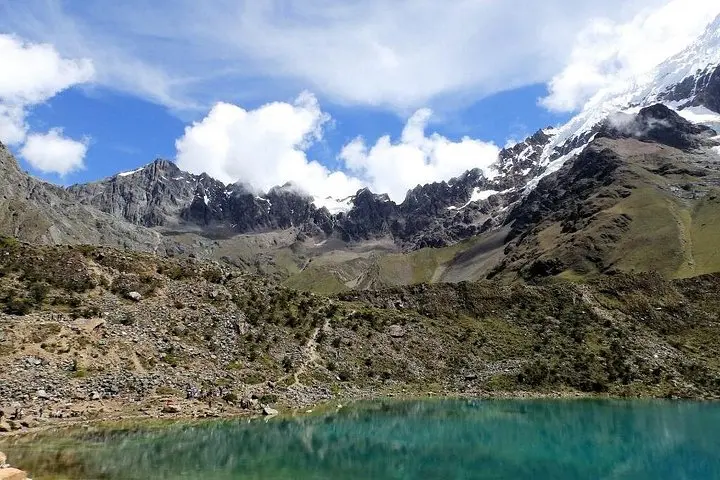
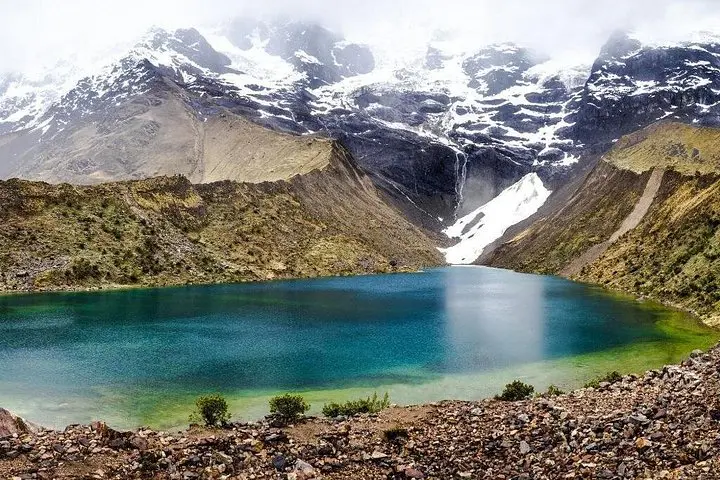
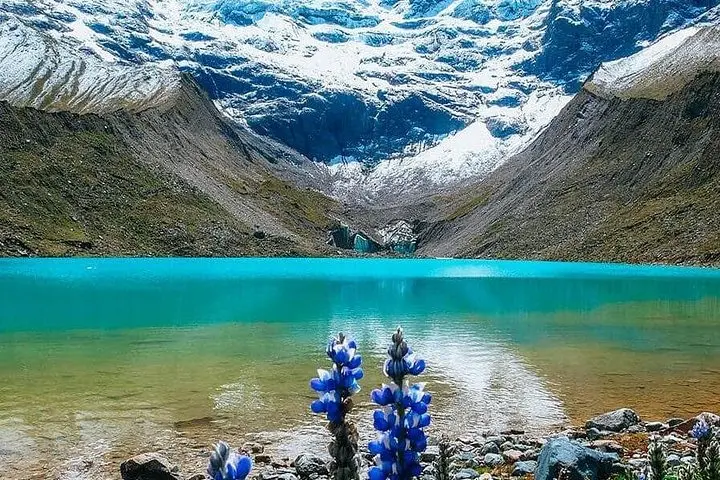
A pale-blue bowl appears above the high plain, rimmed by snow and jagged moraine—the lake seems to hold the sky. The day begins before dawn in Cusco, a small caravan of travelers moving through the Apurímac valley toward Mollepata; by mid-morning the trail at Soraypampa (≈3,900 m) opens into a steep switchback that climbs to Humantay (≈4,200 m). The final approach moves through wind-scoured grass and glacial scree; the lake’s color comes from suspended glacial flour and the light off surrounding summits.
A pale-blue bowl appears above the high plain, rimmed by snow and jagged moraine—the lake seems to hold the sky. The day begins before dawn in Cusco, a small caravan of travelers moving through the Apurímac valley toward Mollepata; by mid-morning the trail at Soraypampa (≈3,900 m) opens into a steep switchback that climbs to Humantay (≈4,200 m). The final approach moves through wind-scoured grass and glacial scree; the lake’s color comes from suspended glacial flour and the light off surrounding summits.
Geology here is direct: a cirque basin carved by glaciers and fed by melt from high Andean peaks. Culturally, the area sits on traditional Quechua lands where mountain worship and offerings (apachetas) are still visible at trail junctions. The short but steep route rewards patience with broad Salkantay and Humantay faces that loom and then recede as you gain elevation.
Practically, the hike is less about distance and more about altitude and grade—expect 1.5–2 hours of steady ascent from Soraypampa, loose rock underfoot, and strong sun. Guides provide breakfast and a boxed lunch; transport returns to Cusco by evening. Hydration, slow pacing, and prior acclimatization matter more than speed. Pack windproof layers, good boots, sunscreen, and water; move deliberately on the descent to protect knees.
For travelers, the lake is a one-day, high-altitude highlight—photogenic, immediate, and raw—best approached with respect for thin air and changing weather.