THE ADVENTURE COLLECTIVE® · Independent discovery and booking for outdoor travel

Make an early drive from Cusco to Soraypampa and hike to Humantay Lake, a glacial turquoise lagoon beneath Salkantay. This full-day, all-inclusive tour pairs cultural insights with a moderate high‑altitude climb and impressive mountain views.
Make an early drive from Cusco to Soraypampa and hike to Humantay Lake, a glacial turquoise lagoon beneath Salkantay. This full-day, all-inclusive tour pairs cultural insights with a moderate high‑altitude climb and impressive mountain views.
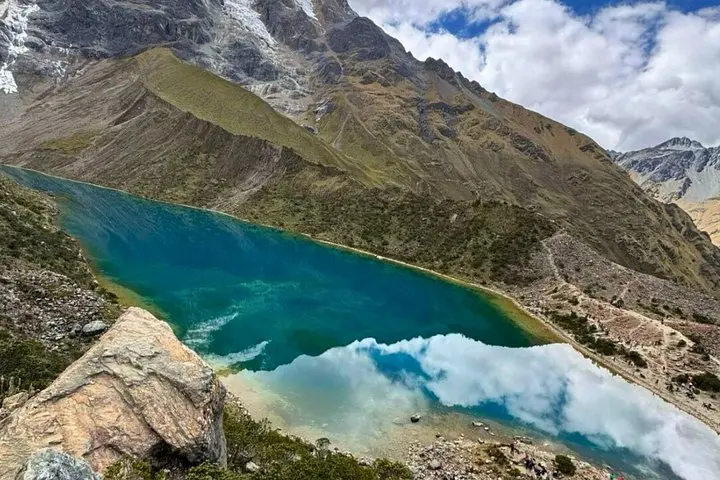
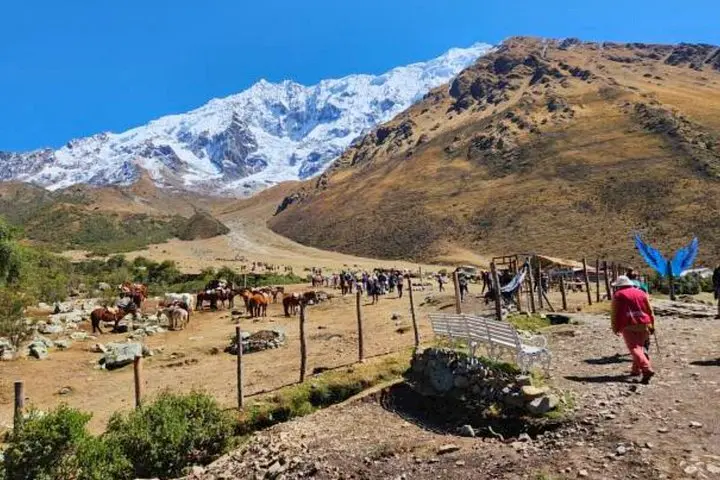
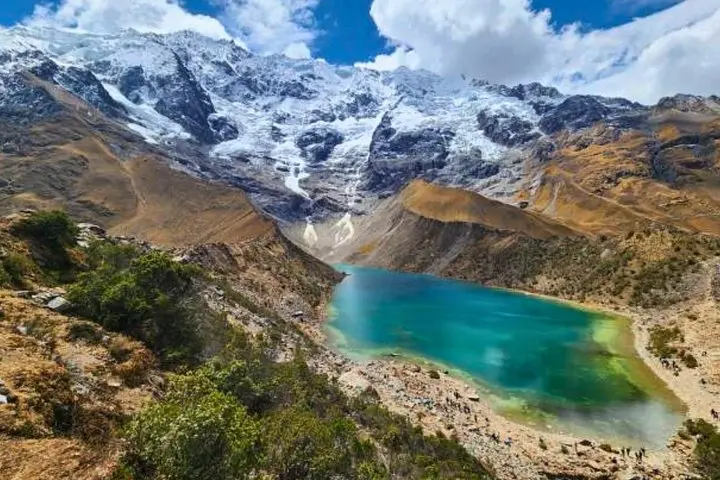
A thin ribbon of road unwinds from Cusco before the Andes close in, and by midmorning you stand at Soraypampa, breath fogging in cold, crystalline air. The trail climbs steadily, switchbacking through ichu grass and pockets of alpine flowers; with each gain the lagoon’s vivid turquoise flashes like a secret revealed beneath the snow-shouldered flank of Salkantay. At the rim, Humantay Lake sits still, reflecting the peak like a confident mirror.
Verified experiences and guided adventures in the surrounding area.
Operated by MACHUPICCHU DESTINOS · Cusco, Cusco
A thin ribbon of road unwinds from Cusco before the Andes close in, and by midmorning you stand at Soraypampa, breath fogging in cold, crystalline air. The trail climbs steadily, switchbacking through ichu grass and pockets of alpine flowers; with each gain the lagoon’s vivid turquoise flashes like a secret revealed beneath the snow-shouldered flank of Salkantay. At the rim, Humantay Lake sits still, reflecting the peak like a confident mirror.
The basin itself is glacial—a remnant carved by Salkantay’s ancient ice—and the lake has long been important to local Quechua communities for ritual offerings and seasonal water. Geologically the valley records recent uplift and glacial sculpting, giving steep cirques and loose moraine underfoot. Along the route, mule tracks and terraced fields speak to centuries of mountain agriculture; guides often point out medicinal plants used by villagers in Mollepata.
Practically, expect a focused half-day hike within an 11–12 hour door-to-door trip from Cusco. The ascent gains roughly 300–400 m over about 2–2.5 km one-way on well-worn but steep trails. Altitude is the real factor—4,200 m at the lake—so acclimatization, steady pacing, and hydration are essential. Guides commonly supply trekking poles and oxygen for assistance; a compact daypack with layers, sun protection, and snacks keeps you comfortable. Aim for an early start to avoid crowds and to catch the clearest light on the water. The route rewards effort with unbeatable views, cultural context from local guides, and the quiet that high lakes uniquely afford.
The trail is steep but short—about 2–2.5 km one-way with 300–400 m elevation gain; it’s classified moderate mainly due to altitude rather than technical difficulty.
Entrance to Humantay is typically included by this tour; bring a small amount of cash for souvenirs or tips and your ID for pickup.
Symptoms can occur—headache, nausea, fatigue—so acclimatize in Cusco, hydrate, and notify guides if symptoms worsen; oxygen is often available on commercial tours.
Most operators require a moderate fitness level; very young children, pregnant travelers, or those with serious cardiovascular issues are usually advised against participation.
MACHUPICCHU DESTINOS operates guided outdoor trips and adventures with an emphasis on safety, stewardship, and memorable experiences.
A thin ribbon of road unwinds from Cusco before the Andes close in, and by midmorning you stand at Soraypampa, breath fogging in cold, crystalline air. The trail climbs steadily, switchbacking through ichu grass and pockets of alpine flowers; with each gain the lagoon’s vivid turquoise flashes like a secret revealed beneath the snow-shouldered flank of Salkantay. At the rim, Humantay Lake sits still, reflecting the peak like a confident mirror.
A thin ribbon of road unwinds from Cusco before the Andes close in, and by midmorning you stand at Soraypampa, breath fogging in cold, crystalline air. The trail climbs steadily, switchbacking through ichu grass and pockets of alpine flowers; with each gain the lagoon’s vivid turquoise flashes like a secret revealed beneath the snow-shouldered flank of Salkantay. At the rim, Humantay Lake sits still, reflecting the peak like a confident mirror.
The basin itself is glacial—a remnant carved by Salkantay’s ancient ice—and the lake has long been important to local Quechua communities for ritual offerings and seasonal water. Geologically the valley records recent uplift and glacial sculpting, giving steep cirques and loose moraine underfoot. Along the route, mule tracks and terraced fields speak to centuries of mountain agriculture; guides often point out medicinal plants used by villagers in Mollepata.
Practically, expect a focused half-day hike within an 11–12 hour door-to-door trip from Cusco. The ascent gains roughly 300–400 m over about 2–2.5 km one-way on well-worn but steep trails. Altitude is the real factor—4,200 m at the lake—so acclimatization, steady pacing, and hydration are essential. Guides commonly supply trekking poles and oxygen for assistance; a compact daypack with layers, sun protection, and snacks keeps you comfortable. Aim for an early start to avoid crowds and to catch the clearest light on the water. The route rewards effort with unbeatable views, cultural context from local guides, and the quiet that high lakes uniquely afford.