THE ADVENTURE COLLECTIVE® · Independent discovery and booking for outdoor travel

A steep, high-altitude day hike from Cusco, Humantay Lake rewards effort with vivid turquoise water framed by glacier and peaks. This guide covers what to expect, why altitude matters, and how to prepare for the full-day excursion.
A steep, high-altitude day hike from Cusco, Humantay Lake rewards effort with vivid turquoise water framed by glacier and peaks. This guide covers what to expect, why altitude matters, and how to prepare for the full-day excursion.
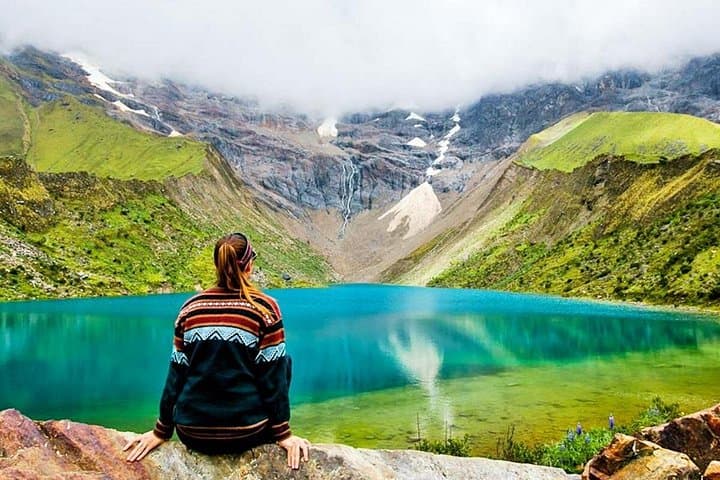
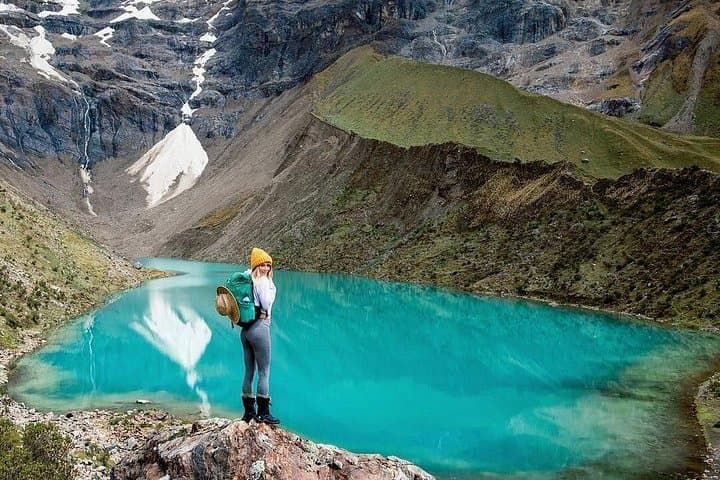
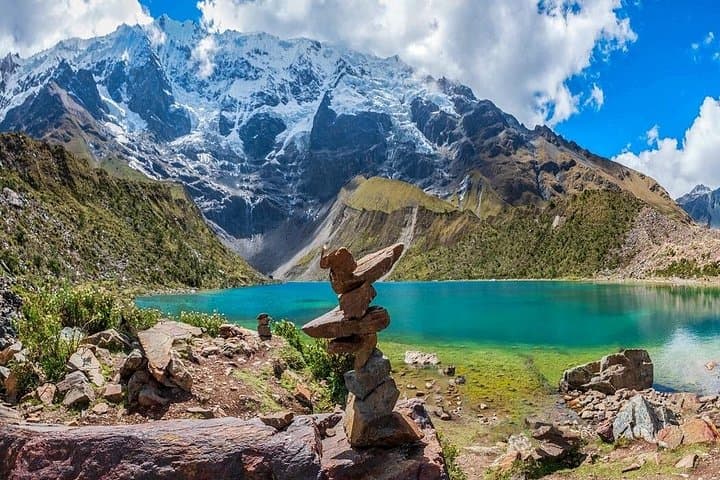
Morning light slices the high Andes as the van climbs away from Cusco and the air thins until every breath counts. By Soraypampa, at about 3,900 m, hikers tighten boots and shoulder packs, then set off on a steep 3 km ascent that rises to an emerald bowl trapped beneath a glacier. Humantay Lake sits at roughly 4,200 m, its water a bright, almost electric green that throws back the surrounding ridgelines and the white face of the glacier above.
Verified experiences and guided adventures in the surrounding area.
Operated by Machu Picchu Expeditions · Soraypampa, Cusco
Morning light slices the high Andes as the van climbs away from Cusco and the air thins until every breath counts. By Soraypampa, at about 3,900 m, hikers tighten boots and shoulder packs, then set off on a steep 3 km ascent that rises to an emerald bowl trapped beneath a glacier. Humantay Lake sits at roughly 4,200 m, its water a bright, almost electric green that throws back the surrounding ridgelines and the white face of the glacier above.
This landscape is carved by glacial action and uplift from the Andean orogeny; moraine and scree line parts of the approach while pockets of puna grass hold the thin soil. The lake and surrounding peaks sit within a living cultural landscape where Quechua communities have long regarded high lakes as powerful apus—mountain spirits—used in ritual offerings and seasonal transhumance.
Expect crisp, cold air and rapid weather changes: sun can be fierce mid-day and snow or sleet possible in shoulder seasons. Guides typically include breakfast at Mollepata, a 2–3 hour uphill hike, time at the lake for photos and orientation, then a return hike and buffet lunch before driving back to Cusco.
Practical guidance: pace the ascent, use trekking poles to reduce knee load, and drink frequently to ease altitude effects. Sturdy, broken-in hiking boots and layered clothing are essential; plan for 10–12 hours round-trip from hotel pickup. Photography rewards patience—shifting light and cloud sculpt the colors—but the real offering is the raw alpine silence that seems to push visitors into slow, deliberate steps.
The uphill route from Soraypampa to the lake is about 3 km and typically takes 1.5–2 hours depending on fitness and acclimatization.
Operators include first-aid and oxygen; however, travelers with cardiovascular issues, pregnancy, or severe spinal problems are not recommended to join.
The dry season (May–September) offers more stable skies and clearer views; the wet season (December–March) brings afternoon storms and muddier trails.
Some operators offer horse assistance for portions of the trail from Soraypampa for an additional fee, useful if acclimatization is poor.
Machu Picchu Expeditions operates guided outdoor trips and adventures with an emphasis on safety, stewardship, and memorable experiences.
Morning light slices the high Andes as the van climbs away from Cusco and the air thins until every breath counts. By Soraypampa, at about 3,900 m, hikers tighten boots and shoulder packs, then set off on a steep 3 km ascent that rises to an emerald bowl trapped beneath a glacier. Humantay Lake sits at roughly 4,200 m, its water a bright, almost electric green that throws back the surrounding ridgelines and the white face of the glacier above.
Morning light slices the high Andes as the van climbs away from Cusco and the air thins until every breath counts. By Soraypampa, at about 3,900 m, hikers tighten boots and shoulder packs, then set off on a steep 3 km ascent that rises to an emerald bowl trapped beneath a glacier. Humantay Lake sits at roughly 4,200 m, its water a bright, almost electric green that throws back the surrounding ridgelines and the white face of the glacier above.
This landscape is carved by glacial action and uplift from the Andean orogeny; moraine and scree line parts of the approach while pockets of puna grass hold the thin soil. The lake and surrounding peaks sit within a living cultural landscape where Quechua communities have long regarded high lakes as powerful apus—mountain spirits—used in ritual offerings and seasonal transhumance.
Expect crisp, cold air and rapid weather changes: sun can be fierce mid-day and snow or sleet possible in shoulder seasons. Guides typically include breakfast at Mollepata, a 2–3 hour uphill hike, time at the lake for photos and orientation, then a return hike and buffet lunch before driving back to Cusco.
Practical guidance: pace the ascent, use trekking poles to reduce knee load, and drink frequently to ease altitude effects. Sturdy, broken-in hiking boots and layered clothing are essential; plan for 10–12 hours round-trip from hotel pickup. Photography rewards patience—shifting light and cloud sculpt the colors—but the real offering is the raw alpine silence that seems to push visitors into slow, deliberate steps.