THE ADVENTURE COLLECTIVE® · Independent discovery and booking for outdoor travel

A high-altitude day trek from Cusco to the striking turquoise Humantay Lake. Learn what the trail is like, why acclimatization matters, and practical tips to make the most of the full-day excursion.
A high-altitude day trek from Cusco to the striking turquoise Humantay Lake. Learn what the trail is like, why acclimatization matters, and practical tips to make the most of the full-day excursion.
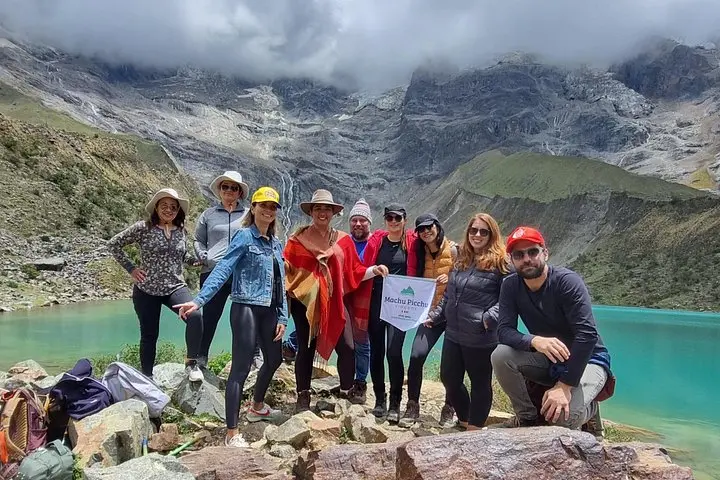
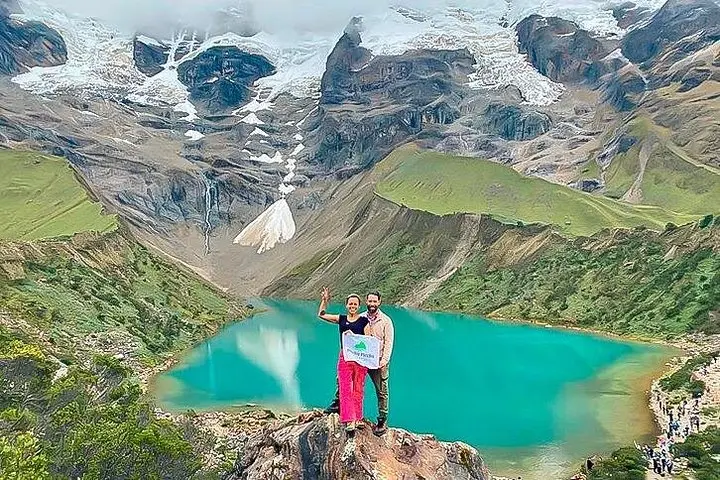
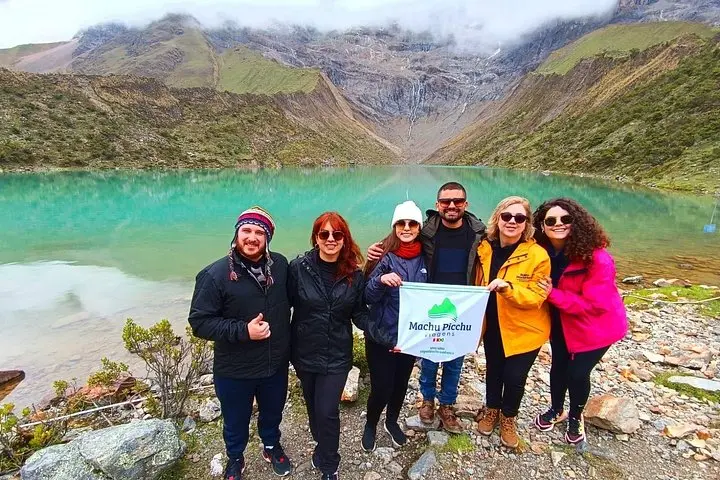
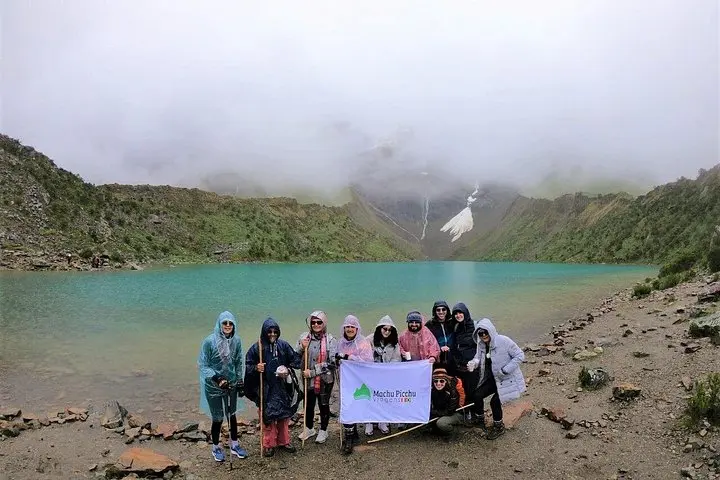
You step out of the minivan into thin, clear air and a wind that seems to push you toward the turquoise rim of Humantay Lake. The trailhead at roughly 3,800 meters begins with a steady climb across puna grass, loose scree and short switchbacks that open to startling views of the Vilcabamba and Salkantay ranges.
Verified experiences and guided adventures in the surrounding area.
Operated by Viagens Machu Picchu · Soraypampa, Cusco
You step out of the minivan into thin, clear air and a wind that seems to push you toward the turquoise rim of Humantay Lake. The trailhead at roughly 3,800 meters begins with a steady climb across puna grass, loose scree and short switchbacks that open to startling views of the Vilcabamba and Salkantay ranges.
Humantay — an ice-melt lagoon beneath a glaciated cirque — was folded into local Andean cosmology long before modern tourism. The surrounding geology is a mix of volcanic and metamorphic rock, scoured by recent glacial action; the emerald color comes from suspended mineral flour and reflected sky. Culturally the area is part of a living Quechua landscape: shepherds, alpaca herds and small hamlets still use the high pastures you cross.
Expect about 400 meters of elevation gain to the lake rim; the ascent is steep in places and altitude is the primary challenge, not technical terrain. Guides often share local stories at the viewpoint and point out Salkantay’s jagged profile on the horizon.
Practical guidance: acclimatize in Cusco for 48–72 hours before attempting the trek, bring layered clothing for sun and wind, and carry 1–2 liters of water plus high-energy snacks. If you’re short on fitness, consider the optional horseback section up to the trailhead but plan for a 10–14 hour day including transfers, breakfast and lunch. Footwear with decent tread and trekking poles will make the descent safer and less punishing on knees.
The reward is straightforward: a high-altitude lagoon framed by snow and sky — immediate, humbling and sharply beautiful.
The trailhead starts around 3,800 m and the ascent to the lake rim is about 1–1.5 hours for fit hikers, longer for those acclimatizing; expect 45–90 minutes uphill and ~45 minutes down depending on pace.
Yes — the tour operator recommends being acclimatized to Cusco’s elevation for at least 48 hours; altitude is the primary risk on this route.
An optional horseback ride to the upper trailhead is often offered locally; it reduces the steepest walking but doesn’t eliminate high-altitude exposure.
Typical inclusions are round-trip transport from most Cusco hotels, breakfast, lunch, an English/Spanish guide and park access per the operator’s itinerary.
Viagens Machu Picchu operates guided outdoor trips and adventures with an emphasis on safety, stewardship, and memorable experiences.
You step out of the minivan into thin, clear air and a wind that seems to push you toward the turquoise rim of Humantay Lake. The trailhead at roughly 3,800 meters begins with a steady climb across puna grass, loose scree and short switchbacks that open to startling views of the Vilcabamba and Salkantay ranges.
You step out of the minivan into thin, clear air and a wind that seems to push you toward the turquoise rim of Humantay Lake. The trailhead at roughly 3,800 meters begins with a steady climb across puna grass, loose scree and short switchbacks that open to startling views of the Vilcabamba and Salkantay ranges.
Humantay — an ice-melt lagoon beneath a glaciated cirque — was folded into local Andean cosmology long before modern tourism. The surrounding geology is a mix of volcanic and metamorphic rock, scoured by recent glacial action; the emerald color comes from suspended mineral flour and reflected sky. Culturally the area is part of a living Quechua landscape: shepherds, alpaca herds and small hamlets still use the high pastures you cross.
Expect about 400 meters of elevation gain to the lake rim; the ascent is steep in places and altitude is the primary challenge, not technical terrain. Guides often share local stories at the viewpoint and point out Salkantay’s jagged profile on the horizon.
Practical guidance: acclimatize in Cusco for 48–72 hours before attempting the trek, bring layered clothing for sun and wind, and carry 1–2 liters of water plus high-energy snacks. If you’re short on fitness, consider the optional horseback section up to the trailhead but plan for a 10–14 hour day including transfers, breakfast and lunch. Footwear with decent tread and trekking poles will make the descent safer and less punishing on knees.
The reward is straightforward: a high-altitude lagoon framed by snow and sky — immediate, humbling and sharply beautiful.