THE ADVENTURE COLLECTIVE® · Independent discovery and booking for outdoor travel

A high‑Andes day hike from Cusco to the turquoise Humantay Lake beneath Salkantay. Short but steep, this glacier‑fed lagoon rewards acclimatized hikers with dramatic mountain scenery and vivid alpine color.
A high‑Andes day hike from Cusco to the turquoise Humantay Lake beneath Salkantay. Short but steep, this glacier‑fed lagoon rewards acclimatized hikers with dramatic mountain scenery and vivid alpine color.
You leave Cusco before dawn, city lights shrinking as the Andes open up and the road climbs toward the Salkantay massif. By midmorning the van drops you at Soraypampa; a thin trail pushes upward through windswept puna grass, and the glacier-fed lake waits above like an alpine eye.
Verified experiences and guided adventures in the surrounding area.
Operated by Rainbow Mountain Cusco Agency · Cusco, Cusco
You leave Cusco before dawn, city lights shrinking as the Andes open up and the road climbs toward the Salkantay massif. By midmorning the van drops you at Soraypampa; a thin trail pushes upward through windswept puna grass, and the glacier-fed lake waits above like an alpine eye.
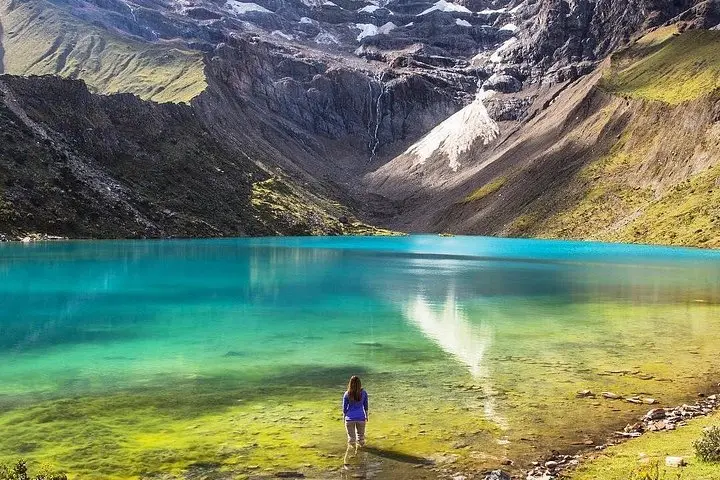
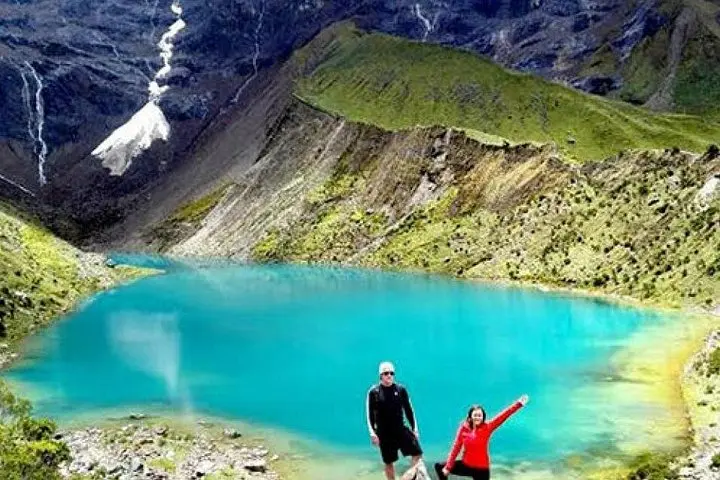
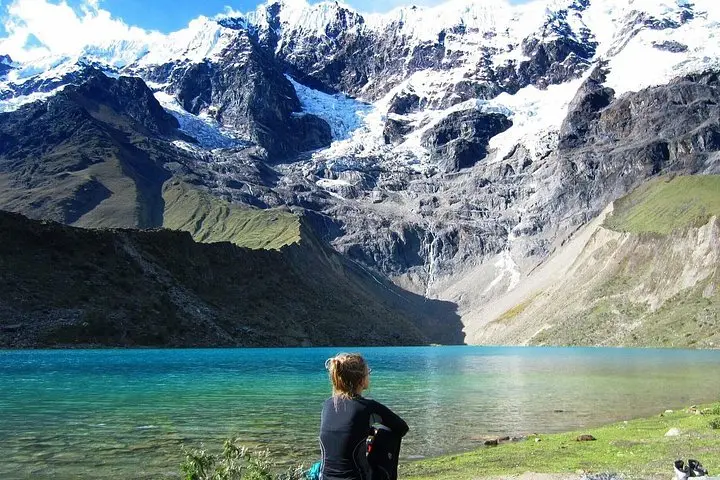
Humantay sits beneath the snow shoulders of Salkantay, one of the high Andean “apus” sacred to Quechua communities. Geologically the lagoon is a moraine-dammed basin filled by glacial melt and seasonal runoff; its vivid turquoise comes from finely ground rock flour suspended in cold meltwater. Local guides often tell stories of Salkantay’s role in pre-Columbian routes that connected high plateaus to jungle valleys, and you’ll see small offerings left near the trail as quiet reminders of living Andean traditions.
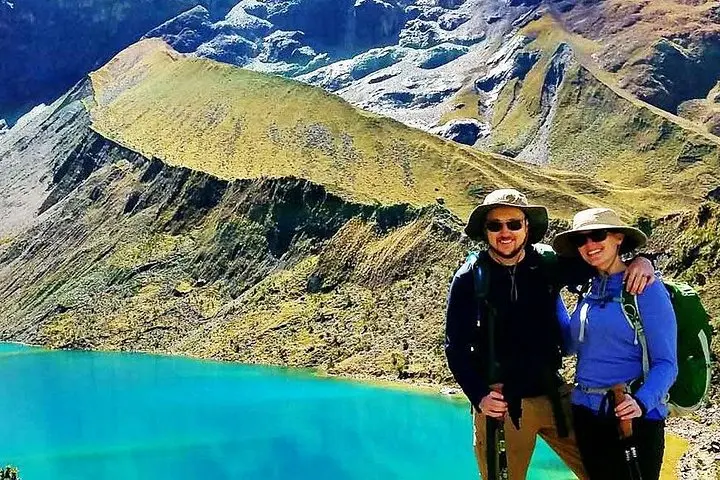
The hike itself is short but steep — expect sharp switches and loose talus on the final approach, with panoramic views of jagged peaks and the distant Vilcabamba range. Weather can flip from sun to sleet in an hour; afternoon clouds commonly roll up from the valley.
Practical notes: acclimatize in Cusco for 48 hours if possible, bring warm, windproof layers, and plan for a 12–14 hour round trip from city pickup to return. Hydrate and pace the climb: altitude, not distance, is the real challenge here. Respect fragile high‑Andean vegetation, pack out trash, and allow time at the rim to take in the lake and glacier-lit ridgelines before the descent.
The uphill section is roughly 1.5–2 km with 350–450 m of elevation gain; expect 45–90 minutes depending on pace and acclimatization.
Yes—spending at least 48 hours in Cusco or similar altitude reduces risk of AMS and makes the climb manageable.
Yes, the lake is accessible year‑round but weather and trail conditions vary; rainy season can make trails slippery and visibility poor.
Basic facilities and a few vendors may be available at Soraypampa, but bring snacks and water for the climb; the tour typically includes breakfast and lunch.
Rainbow Mountain Cusco Agency operates guided outdoor trips and adventures with an emphasis on safety, stewardship, and memorable experiences.
You leave Cusco before dawn, city lights shrinking as the Andes open up and the road climbs toward the Salkantay massif. By midmorning the van drops you at Soraypampa; a thin trail pushes upward through windswept puna grass, and the glacier-fed lake waits above like an alpine eye.
You leave Cusco before dawn, city lights shrinking as the Andes open up and the road climbs toward the Salkantay massif. By midmorning the van drops you at Soraypampa; a thin trail pushes upward through windswept puna grass, and the glacier-fed lake waits above like an alpine eye.
Humantay sits beneath the snow shoulders of Salkantay, one of the high Andean “apus” sacred to Quechua communities. Geologically the lagoon is a moraine-dammed basin filled by glacial melt and seasonal runoff; its vivid turquoise comes from finely ground rock flour suspended in cold meltwater. Local guides often tell stories of Salkantay’s role in pre-Columbian routes that connected high plateaus to jungle valleys, and you’ll see small offerings left near the trail as quiet reminders of living Andean traditions.
The hike itself is short but steep — expect sharp switches and loose talus on the final approach, with panoramic views of jagged peaks and the distant Vilcabamba range. Weather can flip from sun to sleet in an hour; afternoon clouds commonly roll up from the valley.
Practical notes: acclimatize in Cusco for 48 hours if possible, bring warm, windproof layers, and plan for a 12–14 hour round trip from city pickup to return. Hydrate and pace the climb: altitude, not distance, is the real challenge here. Respect fragile high‑Andean vegetation, pack out trash, and allow time at the rim to take in the lake and glacier-lit ridgelines before the descent.