THE ADVENTURE COLLECTIVE® · Independent discovery and booking for outdoor travel

A high-altitude day hike from Cusco to turquoise Humantay Lake—steep, short, and visually spectacular. Expect strong sun, thin air, and a 45–90 minute ascent from Soraypampa to the lagoon.
A high-altitude day hike from Cusco to turquoise Humantay Lake—steep, short, and visually spectacular. Expect strong sun, thin air, and a 45–90 minute ascent from Soraypampa to the lagoon.
Before sunrise a minivan slips away from Cusco and climbs into thinning air; by the time you reach Soraypampa the hills have a hard-edged light and the path to Humantay pulls like a promise. The trail rises steadily for roughly 1.5–2 hours, trading dust for scree and shrub for stranded tussock grass, until the lake appears—an intense turquoise bowl held beneath the snowed flank of Humantay mountain.
Verified experiences and guided adventures in the surrounding area.
Operated by Sayariq Travel · Cusco, Cusco
Before sunrise a minivan slips away from Cusco and climbs into thinning air; by the time you reach Soraypampa the hills have a hard-edged light and the path to Humantay pulls like a promise. The trail rises steadily for roughly 1.5–2 hours, trading dust for scree and shrub for stranded tussock grass, until the lake appears—an intense turquoise bowl held beneath the snowed flank of Humantay mountain.
This is high Andean country shaped by Pleistocene glaciers and ongoing uplift. The lagoon sits above 4,000 m and was long part of Quechua seasonal grazing lands; local guides often point out stone terraces and shepherd tracks that predate modern tourism. The mountain keeps watch—its runoff feeds the lake and sustains puna wetlands below—so weather and water here can change quickly.
Practically: the hike from Soraypampa to the lake is steep, about 1.5–2 km one-way with roughly 350–500 m of elevation gain depending on exact start, on compact dirt, rock steps, and short scree sections. Expect 45–90 minutes up for an acclimatized hiker; factor in a full-day schedule (early pickup, breakfast stop, photo time, lunch back in Mollepata) and limited facilities at the lake.
Bring layers, sun protection, and extra water; move deliberately to manage altitude. If you want photos without crowds, plan for a weekday or the earliest departures. Respect seasonal closures and the fragile alpine soils—stay on trail and pack out waste. The place rewards steady breathing more than speed: when you reach the rim and the lake opens below, the color and silence make the climb worth every meter.
The lake sits above 4,000 m; many visitors feel mild symptoms of altitude (headache, shortness of breath). Rest, hydrate, and acclimatize in Cusco for 24–48 hours before the hike.
From Soraypampa it's roughly 1.5–2 km one-way with 350–500 m of elevation gain; the trail is steep but generally well-defined and non-technical.
No facilities on the ascent; basic toilets and food vendors may be at Soraypampa and in Mollepata. Bring snacks and toilet paper just in case.
Yes, if they are reasonably fit and acclimatized—move at a steady pace, use poles if needed, and allow time for recovery at the lake.
Sayariq Travel operates guided outdoor trips and adventures with an emphasis on safety, stewardship, and memorable experiences.
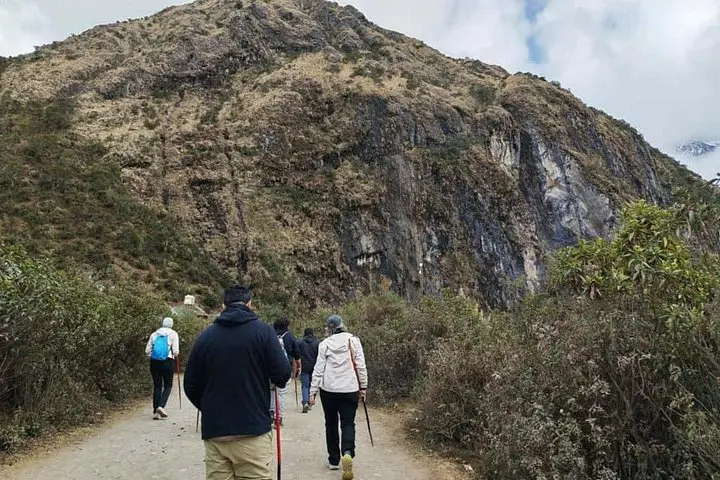
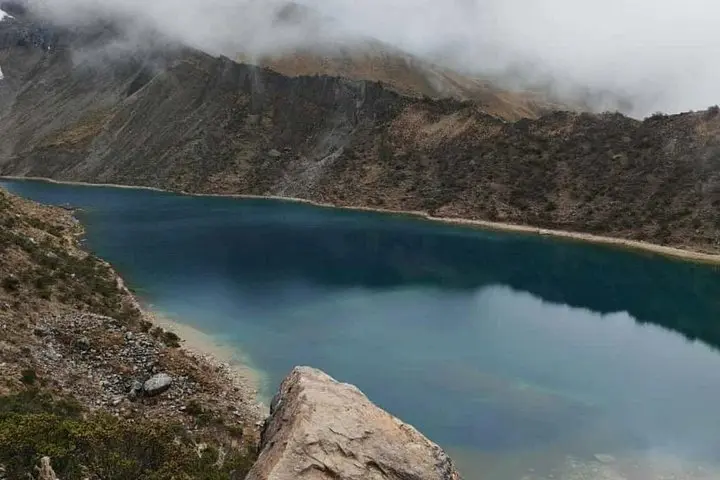
Before sunrise a minivan slips away from Cusco and climbs into thinning air; by the time you reach Soraypampa the hills have a hard-edged light and the path to Humantay pulls like a promise. The trail rises steadily for roughly 1.5–2 hours, trading dust for scree and shrub for stranded tussock grass, until the lake appears—an intense turquoise bowl held beneath the snowed flank of Humantay mountain.
Before sunrise a minivan slips away from Cusco and climbs into thinning air; by the time you reach Soraypampa the hills have a hard-edged light and the path to Humantay pulls like a promise. The trail rises steadily for roughly 1.5–2 hours, trading dust for scree and shrub for stranded tussock grass, until the lake appears—an intense turquoise bowl held beneath the snowed flank of Humantay mountain.
This is high Andean country shaped by Pleistocene glaciers and ongoing uplift. The lagoon sits above 4,000 m and was long part of Quechua seasonal grazing lands; local guides often point out stone terraces and shepherd tracks that predate modern tourism. The mountain keeps watch—its runoff feeds the lake and sustains puna wetlands below—so weather and water here can change quickly.
Practically: the hike from Soraypampa to the lake is steep, about 1.5–2 km one-way with roughly 350–500 m of elevation gain depending on exact start, on compact dirt, rock steps, and short scree sections. Expect 45–90 minutes up for an acclimatized hiker; factor in a full-day schedule (early pickup, breakfast stop, photo time, lunch back in Mollepata) and limited facilities at the lake.
Bring layers, sun protection, and extra water; move deliberately to manage altitude. If you want photos without crowds, plan for a weekday or the earliest departures. Respect seasonal closures and the fragile alpine soils—stay on trail and pack out waste. The place rewards steady breathing more than speed: when you reach the rim and the lake opens below, the color and silence make the climb worth every meter.