THE ADVENTURE COLLECTIVE® · Independent discovery and booking for outdoor travel

This full-day trek from Cusco climbs to Humantay Lake—a striking turquoise lagoon beneath Humantay and Salkantay. Short but high, the route combines glacial geology, Quechua highland culture, and panoramic Andean views.
This full-day trek from Cusco climbs to Humantay Lake—a striking turquoise lagoon beneath Humantay and Salkantay. Short but high, the route combines glacial geology, Quechua highland culture, and panoramic Andean views.
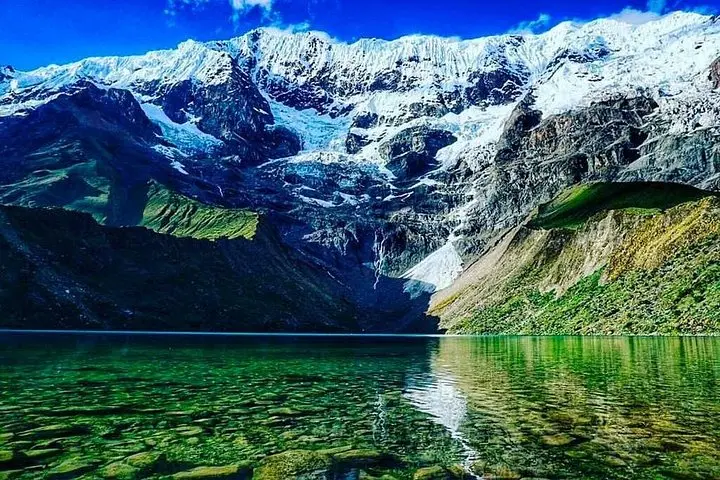
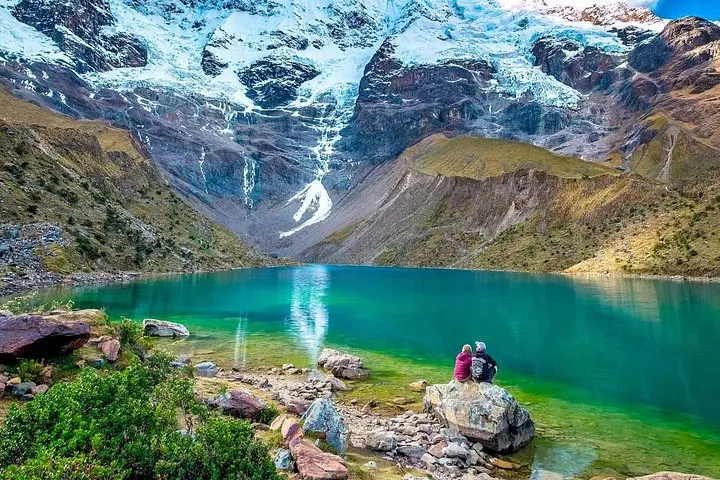
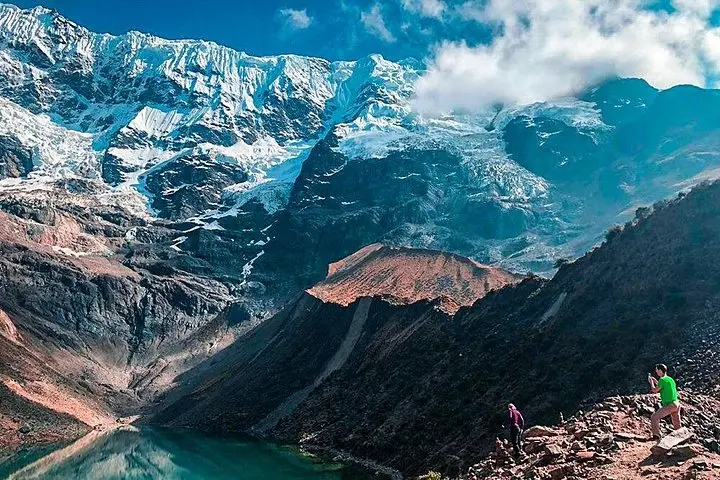
A dawn fog clings to the narrow streets of Cusco as a private van eases northwest into the high Andean valleys. By midmorning the road opens onto Mollepata’s patchwork fields; after a mountain breakfast the trailhead at Soraypampa sits like a cold, clean promise at about 3,900 m. The hike climbs for roughly 1 hour 20 minutes—steep switchbacks and rocky tread give way to a sudden basin where Humantay’s turquoise water lies framed by the glacier-streaked face of Humantay and the vast bulk of Salkantay.
Verified experiences and guided adventures in the surrounding area.
Operated by MACHU PICCHU VIAJES PERU · Cusco, Cusco
A dawn fog clings to the narrow streets of Cusco as a private van eases northwest into the high Andean valleys. By midmorning the road opens onto Mollepata’s patchwork fields; after a mountain breakfast the trailhead at Soraypampa sits like a cold, clean promise at about 3,900 m. The hike climbs for roughly 1 hour 20 minutes—steep switchbacks and rocky tread give way to a sudden basin where Humantay’s turquoise water lies framed by the glacier-streaked face of Humantay and the vast bulk of Salkantay.
Geology here is visible and immediate: the lagoon occupies a glacial cirque and moraine-dammed bowl carved during the last ice age, its color driven by fine rock flour suspended from melting ice. The surrounding villages—Limatambo and Mollepata—remain centers of Quechua life; travelers will pass fields tended by families whose seasonal rhythms echo Inca agricultural practices.
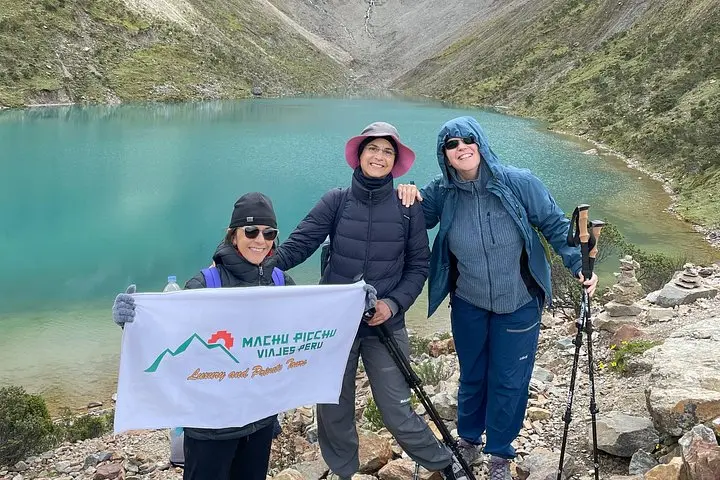
Practically, the route is short but high: expect thin air, sharp sun, and rapidly changing weather. Guides typically provide trekking poles, a buffet lunch in Mollepata, and hotel transfers, making this an accessible day option for acclimatized visitors. Footwear with good traction, layered clothing, sun protection, and at least 1–2 liters of water are standard; allow extra time for photos and slow, controlled breathing on the final ascent.
On clear days the lagoon reflects the serrated ridgelines like a polished gem; on stormy afternoons the wind dares you to linger. Whether on a private guided run or a small-group tour, the Humantay Lake trek delivers an intense, manageable taste of high-Andean landscape—best attempted after a couple of days in Cusco to reduce altitude risk.
The trail is relatively short (about 1–1.5 hours uphill) but steep and at high elevation; it’s rated moderate—fitness and acclimatization matter more than technical skill.
Yes. Spend at least 48 hours in Cusco or a similar elevation to reduce the risk of altitude sickness before attempting the trek.
Typical inclusions are hotel pickup, private transport to Soraypampa, breakfast, trekking poles, a guided ascent, buffet lunch in Mollepata, and return transfer to Cusco.
The dry season (May–September) offers clearer skies and firmer trails; the rainy season brings lush colors but slick conditions and limited visibility.
MACHU PICCHU VIAJES PERU operates guided outdoor trips and adventures with an emphasis on safety, stewardship, and memorable experiences.
A dawn fog clings to the narrow streets of Cusco as a private van eases northwest into the high Andean valleys. By midmorning the road opens onto Mollepata’s patchwork fields; after a mountain breakfast the trailhead at Soraypampa sits like a cold, clean promise at about 3,900 m. The hike climbs for roughly 1 hour 20 minutes—steep switchbacks and rocky tread give way to a sudden basin where Humantay’s turquoise water lies framed by the glacier-streaked face of Humantay and the vast bulk of Salkantay.
A dawn fog clings to the narrow streets of Cusco as a private van eases northwest into the high Andean valleys. By midmorning the road opens onto Mollepata’s patchwork fields; after a mountain breakfast the trailhead at Soraypampa sits like a cold, clean promise at about 3,900 m. The hike climbs for roughly 1 hour 20 minutes—steep switchbacks and rocky tread give way to a sudden basin where Humantay’s turquoise water lies framed by the glacier-streaked face of Humantay and the vast bulk of Salkantay.
Geology here is visible and immediate: the lagoon occupies a glacial cirque and moraine-dammed bowl carved during the last ice age, its color driven by fine rock flour suspended from melting ice. The surrounding villages—Limatambo and Mollepata—remain centers of Quechua life; travelers will pass fields tended by families whose seasonal rhythms echo Inca agricultural practices.
Practically, the route is short but high: expect thin air, sharp sun, and rapidly changing weather. Guides typically provide trekking poles, a buffet lunch in Mollepata, and hotel transfers, making this an accessible day option for acclimatized visitors. Footwear with good traction, layered clothing, sun protection, and at least 1–2 liters of water are standard; allow extra time for photos and slow, controlled breathing on the final ascent.
On clear days the lagoon reflects the serrated ridgelines like a polished gem; on stormy afternoons the wind dares you to linger. Whether on a private guided run or a small-group tour, the Humantay Lake trek delivers an intense, manageable taste of high-Andean landscape—best attempted after a couple of days in Cusco to reduce altitude risk.