THE ADVENTURE COLLECTIVE® · Independent discovery and booking for outdoor travel

Spend a late‑afternoon two-hour walk with hairstreak expert Nick Patel searching oak and sallow stands for White‑letter, Purple and Brown hairstreaks. This focused, small-group outing is one of the best ways to see Britain’s secretive treetop butterflies in Somerset.
Spend a late‑afternoon two-hour walk with hairstreak expert Nick Patel searching oak and sallow stands for White‑letter, Purple and Brown hairstreaks. This focused, small-group outing is one of the best ways to see Britain’s secretive treetop butterflies in Somerset.
Book with WildSpace
Verified experiences and guided adventures in the surrounding area.
Operated by WildSpace · Glastonbury, England
On the western edge of Glastonbury, England, a short walk from Reynald's Way and meeting at Parc Cwm Darran, the countryside tightens into a patchwork of oak-dominated woodland and sun-baked grassland hills where three of Britain's most secretive butterflies take the stage. High Flying Hairstreaks is a two-hour guided walk led by hairstreak specialist Nick Patel that focuses on White‑letter, Purple and Brown hairstreaks—small, fast, treetop-dwelling species that reward patience and a steady eye. The route moves through undulating terrain with semi‑steep sections, following deer tracks, ride-lines and narrow clearings where sallow, elm and oak host the caterpillar foodplants. In mid‑summer the light slides through the canopy and fleeting flashes of iridescent purple or pale underwings can reveal themselves as hairstreaks dart between leaves. The walk also turns up a broader butterfly cast: Silver‑washed fritillary along shaded rides, Clouded yellow on open slopes, and occasional Hummingbird hawkmoths sipping nectar at bramble and thistle. What sets this experience apart is the combination of focused expertise and accessible wildness. Nick Patel’s knowledge of microhabitats and seasonality changes an ordinary afternoon into a targeted search—knowing when to scan tree crowns, when to scan scrub edges, and where egg‑laying activity hints at future generations. Meeting at Parc Cwm Darran gives the walk a clear, local touch; the route remains largely low-impact, aimed at small groups and encouraging respect for breeding habitat. Expect an undulating circular route of roughly two hours, not wheelchair accessible and with medium accessibility—walking sticks are recommended. This is the kind of outing that rewards slow movement: pause at hedgerow gaps, turn a leaf with a long lens, and listen for day‑flying moths like Jersey and Scarlet Tiger. Birdlife punctuates the canopy too—calls from Marsh tit, flashes of Firecrest, and the occasional Red kite wheeling overhead. Practical notes: bring binoculars, a folded field guide or phone app, sturdy shoes for uneven slopes, and water—summer sun can be strong on exposed hills. Photography during the golden hour along the ridge and close‑ups under shaded rides will produce the best results. For naturalists visiting Glastonbury, this guided search is a compact, expertly run window into Somerset’s specialized insect fauna and a memorable way to connect with a lesser‑seen slice of British biodiversity. Local visitors value the walk because it reveals ecological threads easy to miss from the roadside: elm stands recovering from disease, sallow copses that support caterpillars, and hedgerow management that sustains nectar corridors. The meetup address Reynald's Way, Glastonbury BA6 8TP, UK places you within easy reach of town lodging while keeping the mood rural. For families and novice naturalists the small group size and expert guidance make this a standout, educational outing that aids local species monitoring and conservation work.
Minimum age is 6; families are welcome but children should be able to walk uneven ground for two hours.
Meet at Parc Cwm Darran; the formatted address is Reynald's Way, Glastonbury BA6 8TP, UK.
No. The walk involves undulating, semi‑steep sections and is not suitable for wheelchairs.
Moderate: expect short climbs and uneven footing—walking sticks are recommended for added stability.
Expect other butterflies like Silver‑washed fritillary and Clouded yellow, day‑flying moths such as Jersey and Scarlet Tiger, and birds like Marsh tit and Firecrest.
Walks may be curtailed in persistent heavy rain or high winds; check with the operator for specific cancellation policies.
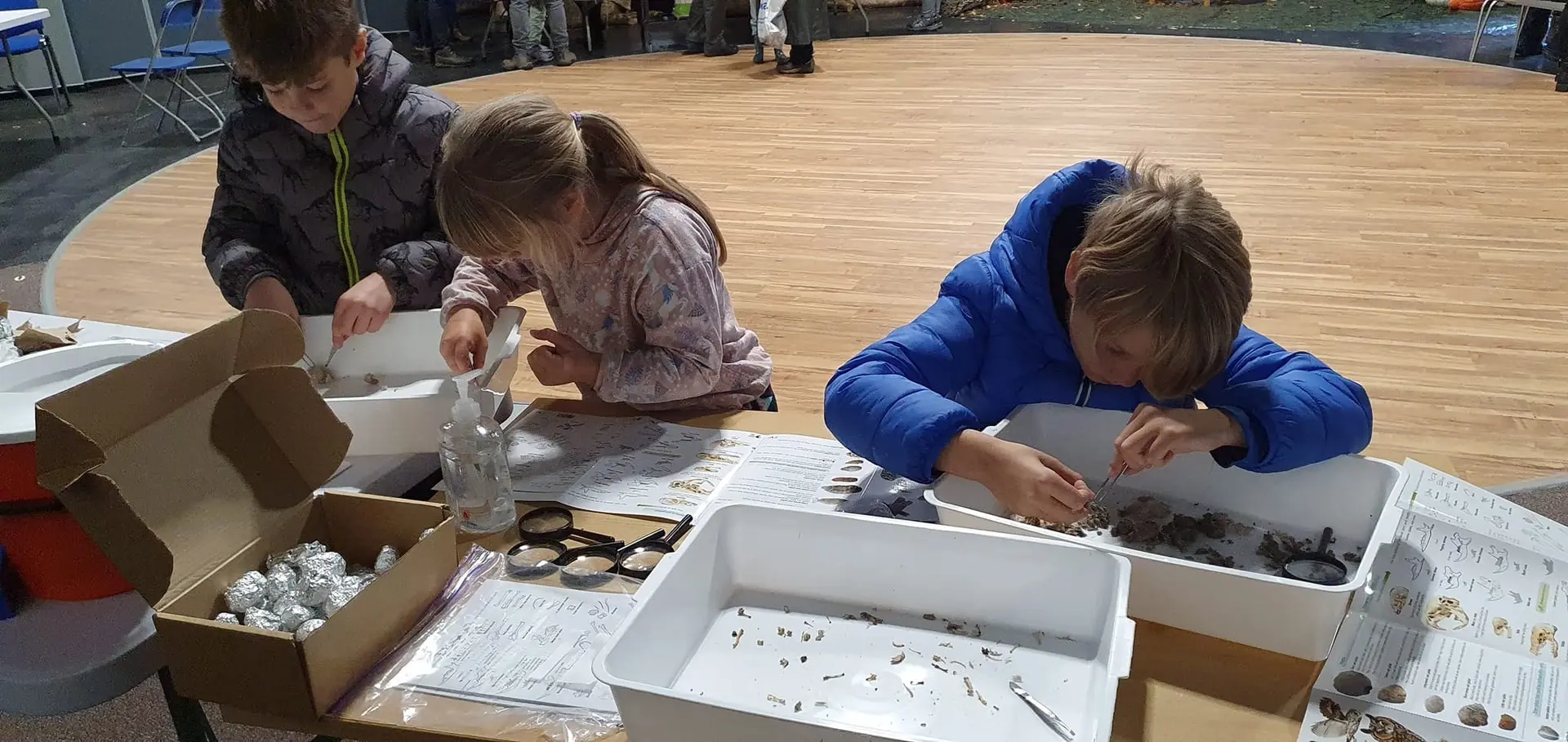
WildSpace is a Llanarthney, Wales-based nature education provider that runs hands-on science workshops focused on wildlife discovery. WildSpace offers two named experiences: the Science Workshop at Sea Trust Wales’ Ocean Lab in Pembs and the Science Workshop at Oriel y Parc. At the Sea Trust Ocean Lab workshop, WildSpace’s Wild Science team takes participants through marine and coastal wildlife discovery using special tools to uncover creatures and specimens. At the Oriel y Parc workshop, the Wild Science team explores nearby terrestrial and freshwater wildlife, using tools to reveal insects, plants and small animals and to explain scientific observations. Workshops are designed around direct observation, simple field techniques and practical, hands-on investigation. WildSpace-led sessions emphasize wildlife identification, the use of simple investigation tools and the scientific process of observing, recording and discussing findings. Each session uses the facilities and environments available at Sea Trust Wales’ Ocean Lab and at Oriel y Parc to create accessible learning opportunities. WildSpace presents factual, place-based science activities without embellishment. The business lists specific workshop locations and clear trip summaries so participants know what to expect in advance. Booking information and session details are provided through the event listings where the trips are offered. WildSpace describes activities in third person and relies on named locations and workshop titles for clarity. Published trip listings include: Science Workshop - Sea Trust Ocean Lab, Pembs, and Science Workshop - Oriel y Parc, each described with a brief summary noting the use of special tools and hands-on wildlife discovery methods.

Book with WildSpace