
Hunting Island Shorebirds Walk: Winter Shorebird Tour at Hunting Island State Park
Join a guided 2.75-mile shorebird walk at Hunting Island State Park to see Brown Pelicans, Black Skimmers, Piping Plovers and Dunlin. Ideal for photographers and birders, this two-hour tour pairs field ID tips with coastal ecology insights.
An Adventure In Fripp Island.
Join a guided 2.75-mile shorebird walk at Hunting Island State Park to see Brown Pelicans, Black Skimmers, Piping Plovers and Dunlin. Ideal for photographers and birders, this two-hour tour pairs field ID tips with coastal ecology insights.
Book with Carolina Bight Birding Center
Choose a date and book.
Read the full experience
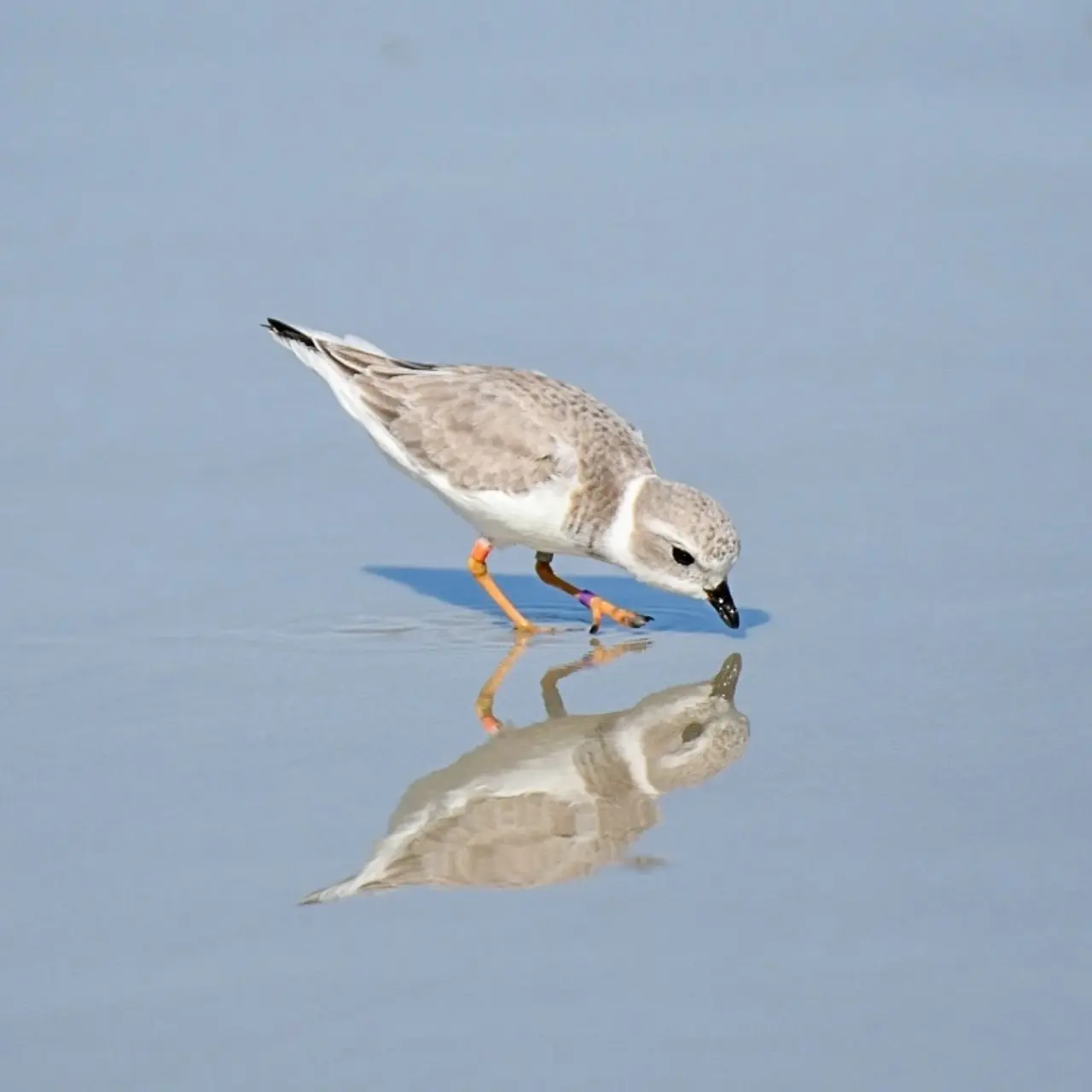
On the eastern edge of South Carolina’s Lowcountry, Hunting Island State Park offers a raw coastline where wind-sculpted dunes, tidal flats and maritime forest meet an ocean that funnels migrating shorebirds along the Atlantic Flyway. The Hunting Island Shorebirds Walk Tour — 'Wonders of Wintering Birds' — is a guided 2.75-mile loop that turns a simple beach walk into a focused study of Brown Pelicans, Black Skimmers, Piping Plovers, Dunlin and other winter visitors. Meeting at the Campground Area Parking at Hunting Island State Park, the walk covers salt-swept beaches, exposed oyster bars and sections of Spartina-lined marsh where flocks feed and hunt. Naturalists scan the shoreline with spotting scopes and scopes, helping visitors pick out the subtle field marks that separate a dunlin from a sanderling or a foraging plover from a piping plover. The tour’s pace is deliberate: expect frequent stops for close looks, field notes and photography tips. The scene combines distinct coastal elements — wide sandy shore, exposed tidal flats, dune slips and a pocket of maritime forest — creating varied habitats within a short distance. Look for brown pelicans wheeling low over breaking surf, black skimmers slicing the water’s surface with their lower mandible, and the frenetic probing of dunlin along the wet sand. Seasonal flora such as sea oats and salt-tolerant grasses anchor the dunes while shorebirds exploit the nutrient-rich intertidal zone. This outing is not just birding; it’s a primer in barrier-island ecology. Guides explain how tides, storms and human use reshape the shore, and how protected areas like Hunting Island State Park buffer habitat for migratory species. The group size is intentionally capped to 24 to minimize disturbance and preserve the birds’ feeding zones. Practical details are straightforward: the walk lasts about two hours across roughly 2.75 miles roundtrip; participants should be at least 16 years old and wear closed-toe shoes suitable for sand and wet sections. Bring binoculars, a camera or a spotting scope if you have one; the ticket includes an all-day park pass. Early winter and spring migrations deliver different lineups, so repeat visits reveal new species and seasonal behavior. For photographers and naturalists alike, this guided shorebird walk turns a popular state park into a classroom on wings, delivering intimate encounters with migratory birds against a backdrop of rugged Lowcountry coastline. Whether you’re a beginner learning field marks or an experienced birder refining identification skills, the Hunting Island Shorebirds Walk distills the drama of migration into a focused, accessible adventure. Tours typically run in the morning to match low tide and peak feeding; bring sunscreen, a wind layer, and respect posted closure signs for nesting areas, your careful behavior helps keep breeding and wintering birds safe for visitors.
Frequently asked questions
Meet at the Campground Area Parking at Hunting Island State Park as noted in the booking details.
The guided walk lasts about two hours and covers approximately 2.75 miles roundtrip.
Participants should be at least 16 years old per the tour’s requirements.
Yes — the tour price includes an all-day pass for Hunting Island State Park.
Guides use spotting scopes and will position the group at vantage points; bring optics for the best views.
Sandy and uneven shore sections make this walk unsuitable for standard strollers or most wheelchairs; contact the operator for accessibility options.
About This Experience
Carolina Bight Birding Center offers personalized birdwatching tours on the Lowcountry coast. The organization specializes in short, focused outings that introduce participants to shorebirds, songbirds, and wading birds. Tours are designed in collaboration with participants: guests can book a bird tour and staff will help design the perfect route and schedule to match specific interests and skill levels. Standard guided tours run for 1.5 hours, giving a concentrated window for observation, identification, and brief interpretation. Each tour emphasizes hands-on learning and wildlife viewing. Guides engage with guests to tailor the experience, suggest prime viewing spots, and point out distinguishing features of local species. Participants are encouraged to bring binoculars to maximize sightings and identification opportunities. The Carolina Bight Birding Center also offers a gift option: purchase a custom birding tour certificate to give someone the opportunity to design their own field experience. The Center focuses on accessibility and personalization rather than large-group excursions. Small-group or private formats allow guides to adapt pace and content to participant interests, from shorebird identification to general birdwatching for families. Services include pre-tour planning, on-site interpretation, and a post-tour wrap-up to reinforce species seen and next steps for continued birding. Carolina Bight Birding Center works with local naturalists and experienced guides to create tailored outings. The Center’s offerings are practical for visitors seeking a concise, expert-led introduction to Lowcountry birdlife or a customizable gift experience for friends and family. Advance booking options help secure preferred dates, accommodate scheduling needs, and note special participant requests ahead.
Adventure tips
Recommended gear
- Binoculars: Essential for identifying distant shorebirds without getting too close.
- Closed-toe shoes: Protects feet on oysters, wet sand and dune grass.
- Spotting scope or telephoto lens: Helps capture detailed views and photos of skittish birds from a respectful distance.
- Windproof jacket: Blocks coastal wind and keeps you comfortable during morning low-tide conditions.
Photos of the experience
Book with Carolina Bight Birding Center
Choose a date and book.
More experiences with Carolina Bight Birding Center
Verified experiences and guided adventures in the surrounding area.