THE ADVENTURE COLLECTIVE® · Independent discovery and booking for outdoor travel

Drift over wind-carved dunes on a two-hour camel ride outside Hurghada. This calm, sensory experience pairs panoramic desert views with short Bedouin stops—ideal for travelers seeking culture and low-impact adventure.
Drift over wind-carved dunes on a two-hour camel ride outside Hurghada. This calm, sensory experience pairs panoramic desert views with short Bedouin stops—ideal for travelers seeking culture and low-impact adventure.
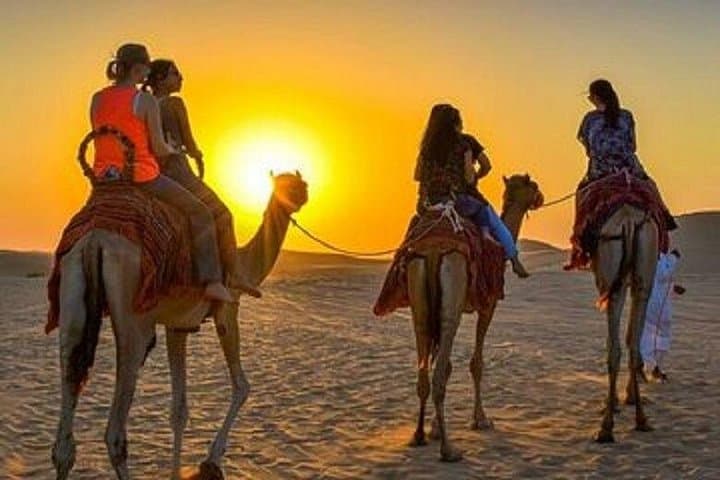
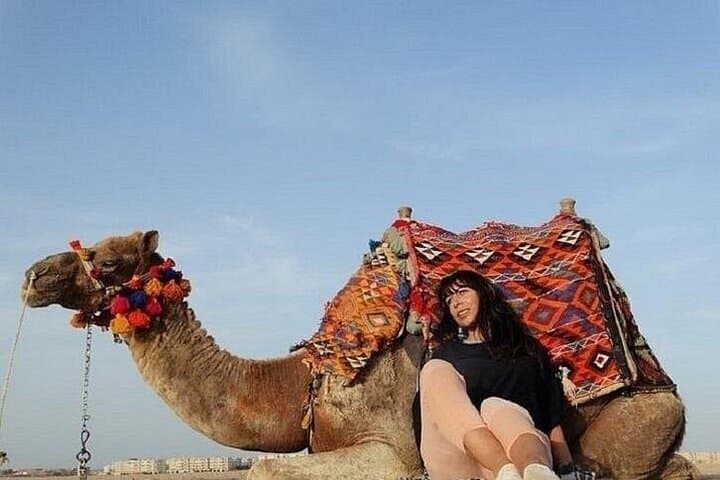
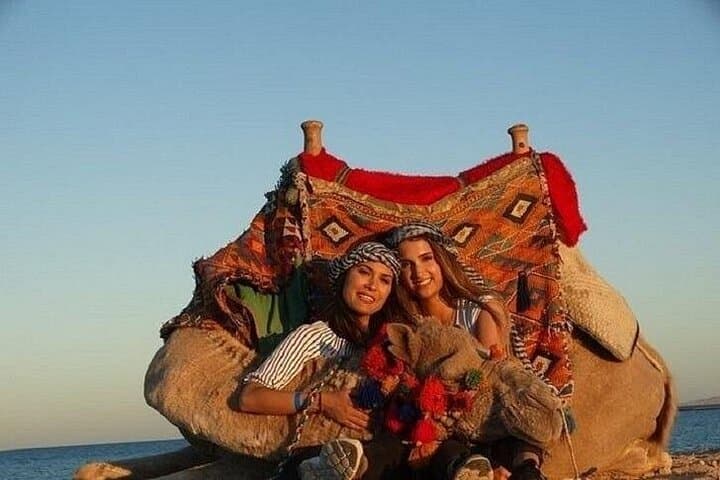
Morning light strips the desert into bands of gold and shadow as a line of camels rocks forward, each step a slow, deliberate rhythm that pulls riders across the dunes.
Verified experiences and guided adventures in the surrounding area.
Operated by Noun Travel · Hurghada, Red Sea Governorate
Morning light strips the desert into bands of gold and shadow as a line of camels rocks forward, each step a slow, deliberate rhythm that pulls riders across the dunes.
On a two-hour camel ride outside Hurghada, travelers move through wind-sculpted sand and scattered limestone outcrops while the Red Sea hovers on the horizon. The camels’ gait sets a calm pace; the dunes rise and fall like a patient sea that invites steady progress rather than sprinting. Guides—often local Bedouins—point out telltale signs of past rainfall: hardened wadis and small plant clusters that anchor the sand.
Camels have carried people and goods across these coasts for centuries; the region’s human history ties to coastal trade and Bedouin hospitality. Geologically, the landscape is a mix of loose aeolian sand atop older marine limestone, producing sudden ridgelines and sheltered hollows where wind behaviour changes. Culturally, short stops for tea and conversation are common and reveal the living traditions of desert travel.
Practical notes: rides run about three hours including pick-up and return; expect soft sand and occasional steep dune slopes. Temperatures swing widely—plan for intense sun and cooler evenings. Wear closed-toe shoes, a hat or scarf to protect from sun and sand, and carry water. Follow your guide’s instructions when mounting and dismounting and avoid walking off the guided route to protect fragile crust and vegetation.
This is an accessible, sensory way to experience Hurghada’s inland deserts: slow, steady, and full of small discoveries if you look for them.
The activity runs about three hours door-to-door; the camel riding portion is roughly two hours and usually includes hotel pickup, guide service, safety equipment and hot drinks or water.
The tour is advertised as suitable for most fitness levels; specialized infant seats may be available—check with the operator about mobility limitations before booking.
Early morning or late afternoon avoids peak heat, offers softer light for photos, and the dunes are calmer for a more comfortable ride.
Local operators typically provide safety briefings, helmets if required, and experienced guides; ask in advance about animal welfare practices and emergency procedures.
Noun Travel operates guided outdoor trips and adventures with an emphasis on safety, stewardship, and memorable experiences.

Morning light strips the desert into bands of gold and shadow as a line of camels rocks forward, each step a slow, deliberate rhythm that pulls riders across the dunes.
Morning light strips the desert into bands of gold and shadow as a line of camels rocks forward, each step a slow, deliberate rhythm that pulls riders across the dunes.
On a two-hour camel ride outside Hurghada, travelers move through wind-sculpted sand and scattered limestone outcrops while the Red Sea hovers on the horizon. The camels’ gait sets a calm pace; the dunes rise and fall like a patient sea that invites steady progress rather than sprinting. Guides—often local Bedouins—point out telltale signs of past rainfall: hardened wadis and small plant clusters that anchor the sand.
Camels have carried people and goods across these coasts for centuries; the region’s human history ties to coastal trade and Bedouin hospitality. Geologically, the landscape is a mix of loose aeolian sand atop older marine limestone, producing sudden ridgelines and sheltered hollows where wind behaviour changes. Culturally, short stops for tea and conversation are common and reveal the living traditions of desert travel.
Practical notes: rides run about three hours including pick-up and return; expect soft sand and occasional steep dune slopes. Temperatures swing widely—plan for intense sun and cooler evenings. Wear closed-toe shoes, a hat or scarf to protect from sun and sand, and carry water. Follow your guide’s instructions when mounting and dismounting and avoid walking off the guided route to protect fragile crust and vegetation.
This is an accessible, sensory way to experience Hurghada’s inland deserts: slow, steady, and full of small discoveries if you look for them.