THE ADVENTURE COLLECTIVE® · Independent discovery and booking for outdoor travel

Step into the Red Sea under glass at Hurghada Grand Aquarium. With 24 galleries, nearly a million gallons of tank space and hands-on touch pools, this four-hour visit pairs spectacle with conservation-focused education.
Step into the Red Sea under glass at Hurghada Grand Aquarium. With 24 galleries, nearly a million gallons of tank space and hands-on touch pools, this four-hour visit pairs spectacle with conservation-focused education.
A cool, filtered light spreads across curved viewing panels as the Red Sea’s residents drift past in patient arcs. Inside Hurghada Grand Aquarium, the ocean’s motion is slowed to human pace: rays glide close enough to read their winged contours, reef fish thread among artificial coral trunks, and a touch tank invites small hands to meet a sea star.
Verified experiences and guided adventures in the surrounding area.
Operated by Travel to Egypt · Hurghada, Red Sea Governorate
A cool, filtered light spreads across curved viewing panels as the Red Sea’s residents drift past in patient arcs. Inside Hurghada Grand Aquarium, the ocean’s motion is slowed to human pace: rays glide close enough to read their winged contours, reef fish thread among artificial coral trunks, and a touch tank invites small hands to meet a sea star.
Opened in January 2015, the aquarium holds nearly a million gallons of tank space across 24 galleries and is home to over 1,200 individual animals from roughly 100 species. Its design maps local ecosystems—Red Sea coral displays, open-water tanks with sharks and pelagic fish, and shallow pools that model tidal zones—offering both spectacle and context.
Geology and culture meet here: the Red Sea’s warm, saline waters shape resilient coral communities that support regional fisheries and dive tourism. The aquarium frames that natural history with educational interpretation aimed at conservation, especially for coral and turtle protection.
Practically speaking, expect a relaxed, family-friendly visit that most guests complete in about four hours. Mobile tickets are accepted; many tours include hotel pickup by air-conditioned vehicle. Wear comfortable shoes for walking, bring a camera with a fast lens for low light, and supervise children closely at interactive exhibits. Mornings are quieter; late afternoons can be busier with tour groups.
Accessibility is generally good and the venue operates year-round, so plan for indoor climate control rather than sun protection indoors. Leave time afterward for a short walk along Hurghada’s shoreline or a coffee in the city—the sea’s pull continues even after you step out of the glass.
Most visitors spend about 3–4 hours exploring 24 galleries, using exhibits and visiting the touch tank.
Mobile or paper tickets are accepted; standard cancellation policy allows a full refund if cancelled at least 24 hours before the scheduled time.
Yes—galleries and touch tanks are family-friendly, but children should be supervised near interactive displays.
Yes, the facility operates year-round indoors; transfers may be affected by extreme conditions per the operator’s policy.
Travel to Egypt operates guided outdoor trips and adventures with an emphasis on safety, stewardship, and memorable experiences.
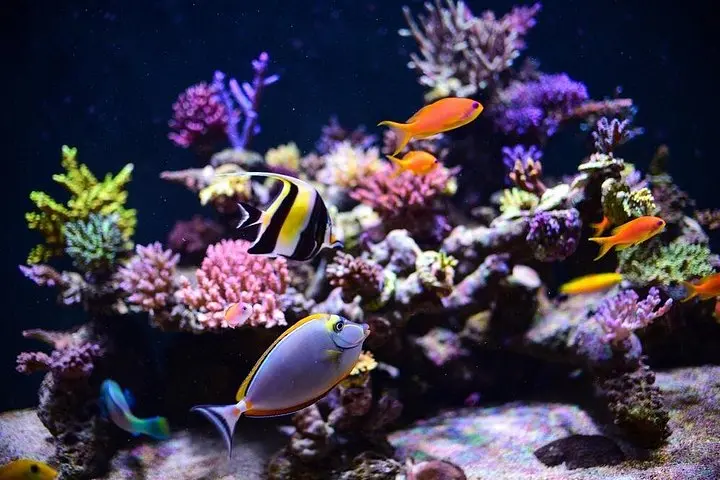
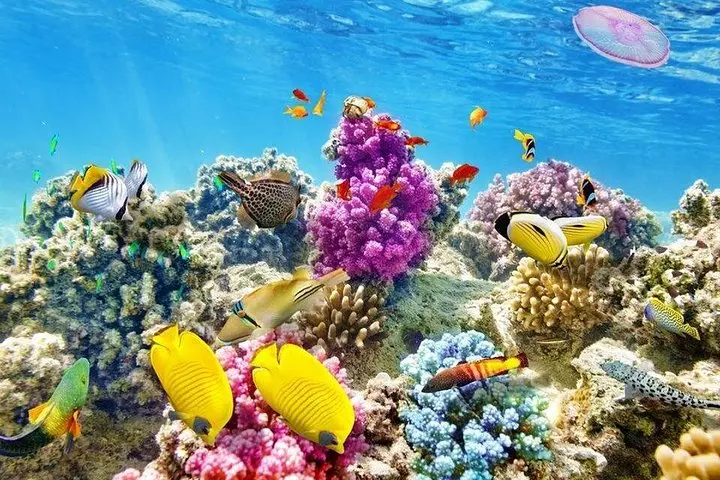
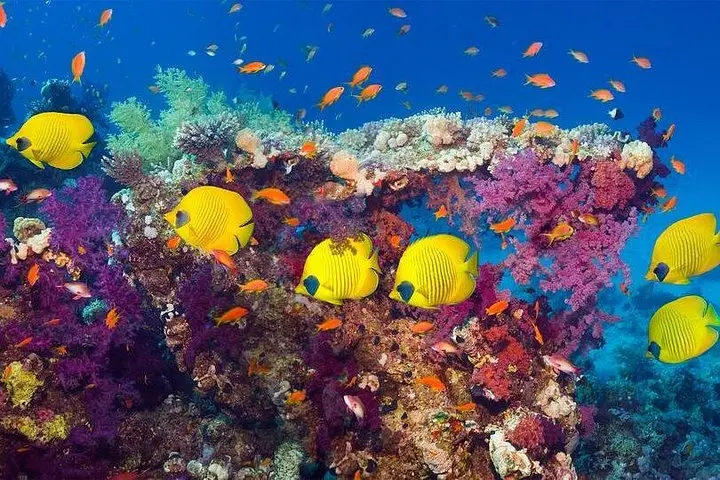
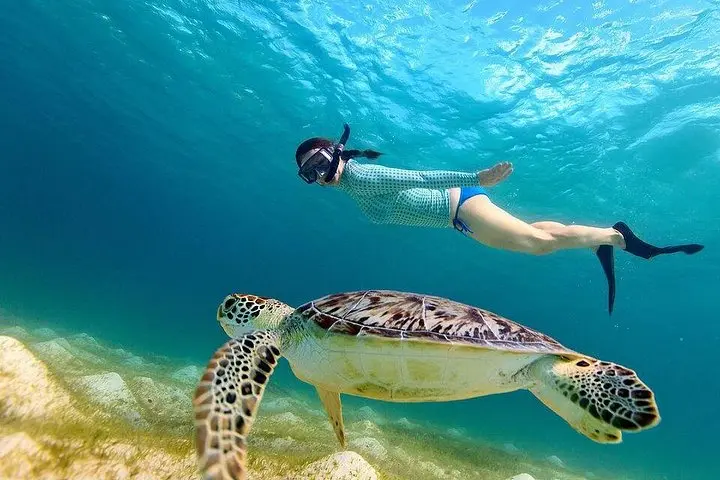
A cool, filtered light spreads across curved viewing panels as the Red Sea’s residents drift past in patient arcs. Inside Hurghada Grand Aquarium, the ocean’s motion is slowed to human pace: rays glide close enough to read their winged contours, reef fish thread among artificial coral trunks, and a touch tank invites small hands to meet a sea star.
A cool, filtered light spreads across curved viewing panels as the Red Sea’s residents drift past in patient arcs. Inside Hurghada Grand Aquarium, the ocean’s motion is slowed to human pace: rays glide close enough to read their winged contours, reef fish thread among artificial coral trunks, and a touch tank invites small hands to meet a sea star.
Opened in January 2015, the aquarium holds nearly a million gallons of tank space across 24 galleries and is home to over 1,200 individual animals from roughly 100 species. Its design maps local ecosystems—Red Sea coral displays, open-water tanks with sharks and pelagic fish, and shallow pools that model tidal zones—offering both spectacle and context.
Geology and culture meet here: the Red Sea’s warm, saline waters shape resilient coral communities that support regional fisheries and dive tourism. The aquarium frames that natural history with educational interpretation aimed at conservation, especially for coral and turtle protection.
Practically speaking, expect a relaxed, family-friendly visit that most guests complete in about four hours. Mobile tickets are accepted; many tours include hotel pickup by air-conditioned vehicle. Wear comfortable shoes for walking, bring a camera with a fast lens for low light, and supervise children closely at interactive exhibits. Mornings are quieter; late afternoons can be busier with tour groups.
Accessibility is generally good and the venue operates year-round, so plan for indoor climate control rather than sun protection indoors. Leave time afterward for a short walk along Hurghada’s shoreline or a coffee in the city—the sea’s pull continues even after you step out of the glass.