THE ADVENTURE COLLECTIVE® · Independent discovery and booking for outdoor travel

Sit three meters below the Red Sea surface and watch coral gardens and shoals of fish pass by. This 3-hour SeaScope semi-submarine in Hurghada offers close reef views in air-conditioned comfort — ideal for non-divers and families.
Sit three meters below the Red Sea surface and watch coral gardens and shoals of fish pass by. This 3-hour SeaScope semi-submarine in Hurghada offers close reef views in air-conditioned comfort — ideal for non-divers and families.
The hull settles, engines whisper, and the Red Sea slides into view through a rounded window three meters below the surface. From an air-conditioned observation deck, schools of fish curve around coral heads as if obeying an unseen current; light filters down in bronze shafts and the sea seems to lean in to show its colors.
Verified experiences and guided adventures in the surrounding area.
Operated by African Queen Travel · Hurghada, Red Sea Governorate
The hull settles, engines whisper, and the Red Sea slides into view through a rounded window three meters below the surface. From an air-conditioned observation deck, schools of fish curve around coral heads as if obeying an unseen current; light filters down in bronze shafts and the sea seems to lean in to show its colors.
The Red Sea is a young rift basin — oceanic crust pulling away to form deep troughs and reef-lined shoals. Hurghada itself grew from a modest fishing port into a dive-and-resort hub in the late 20th century, and the reefs offshore preserve an older maritime story: small-scale fisheries, Bedouin coastal communities, and centuries of Red Sea trade routes. Geology and biology combine here: finger-like coral formations rise from sandy plains, hosting butterflyfish, parrotfish and the occasional moray.
This semi-submarine experience focuses on observation rather than diving. Passengers sit below sea level in climate-controlled comfort for about three hours, viewing reefs through large portholes and learning from a guide about reef structure and fish behavior. The company often supplies snorkeling gear and offers shore or boat transfers.
Practical guidance: book a morning slot for calmer water and better light, bring sunscreen and a camera with a zoom, and take motion-sickness medication if you’re prone — the vessel is stable but the sea moves. Accessibility is comparatively good, with wheelchair-friendly boarding noted, but the cruise is not recommended for pregnant travelers or those with serious spine or heart conditions. Keep interactions quiet and avoid throwing anything overboard — the reefs are fragile and rely on low-impact tourism.
No — this is an observation cruise from an enclosed, air-conditioned deck and does not require swimming skills.
Yes, the operator lists wheelchair-accessible transfers and facilities, but you should request assistance when booking to confirm arrangements.
Many operators include or offer snorkeling as a separate option, but the SeaScope itself is for below-deck viewing; check the booking for included snorkeling equipment or complementary transfers to a snorkeling spot.
The tour is not recommended for pregnant travelers or those with serious spinal or cardiovascular conditions; follow the operator’s health advisories when booking.
African Queen Travel operates guided outdoor trips and adventures with an emphasis on safety, stewardship, and memorable experiences.
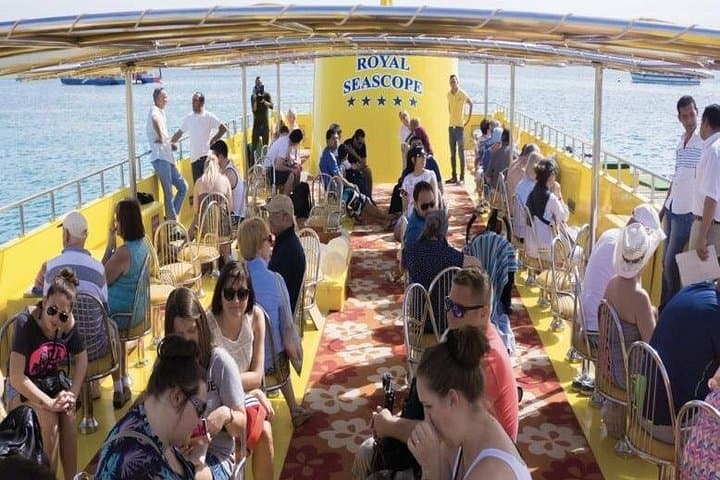
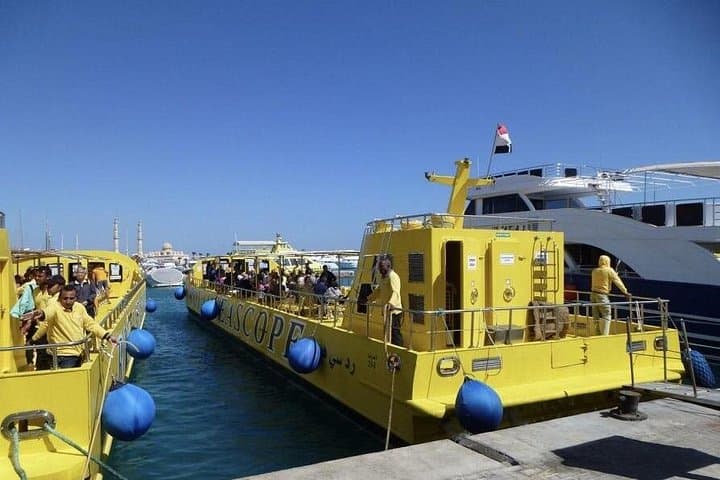
The hull settles, engines whisper, and the Red Sea slides into view through a rounded window three meters below the surface. From an air-conditioned observation deck, schools of fish curve around coral heads as if obeying an unseen current; light filters down in bronze shafts and the sea seems to lean in to show its colors.
The hull settles, engines whisper, and the Red Sea slides into view through a rounded window three meters below the surface. From an air-conditioned observation deck, schools of fish curve around coral heads as if obeying an unseen current; light filters down in bronze shafts and the sea seems to lean in to show its colors.
The Red Sea is a young rift basin — oceanic crust pulling away to form deep troughs and reef-lined shoals. Hurghada itself grew from a modest fishing port into a dive-and-resort hub in the late 20th century, and the reefs offshore preserve an older maritime story: small-scale fisheries, Bedouin coastal communities, and centuries of Red Sea trade routes. Geology and biology combine here: finger-like coral formations rise from sandy plains, hosting butterflyfish, parrotfish and the occasional moray.
This semi-submarine experience focuses on observation rather than diving. Passengers sit below sea level in climate-controlled comfort for about three hours, viewing reefs through large portholes and learning from a guide about reef structure and fish behavior. The company often supplies snorkeling gear and offers shore or boat transfers.
Practical guidance: book a morning slot for calmer water and better light, bring sunscreen and a camera with a zoom, and take motion-sickness medication if you’re prone — the vessel is stable but the sea moves. Accessibility is comparatively good, with wheelchair-friendly boarding noted, but the cruise is not recommended for pregnant travelers or those with serious spine or heart conditions. Keep interactions quiet and avoid throwing anything overboard — the reefs are fragile and rely on low-impact tourism.