THE ADVENTURE COLLECTIVE® · Independent discovery and booking for outdoor travel

Short on time but eager to dive? This speed-boat scuba experience from Hurghada delivers a compact, guided hour on the Red Sea reef with hotel pickup. Expect quick transfers, clear water, and an efficient, instructor-led dive suitable for many skill levels.
Short on time but eager to dive? This speed-boat scuba experience from Hurghada delivers a compact, guided hour on the Red Sea reef with hotel pickup. Expect quick transfers, clear water, and an efficient, instructor-led dive suitable for many skill levels.
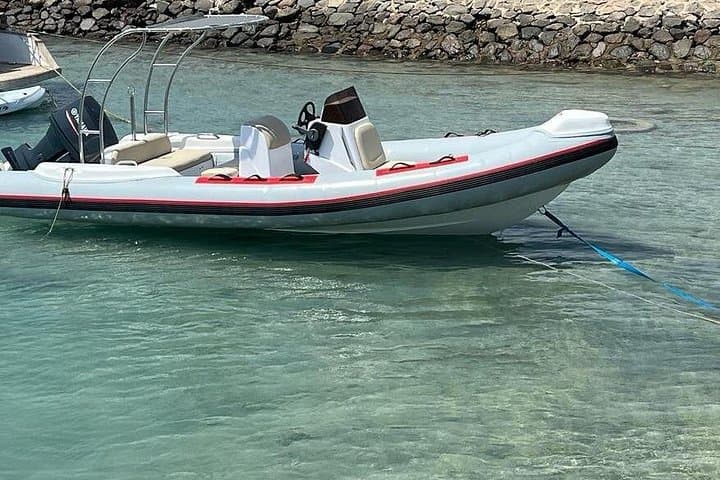
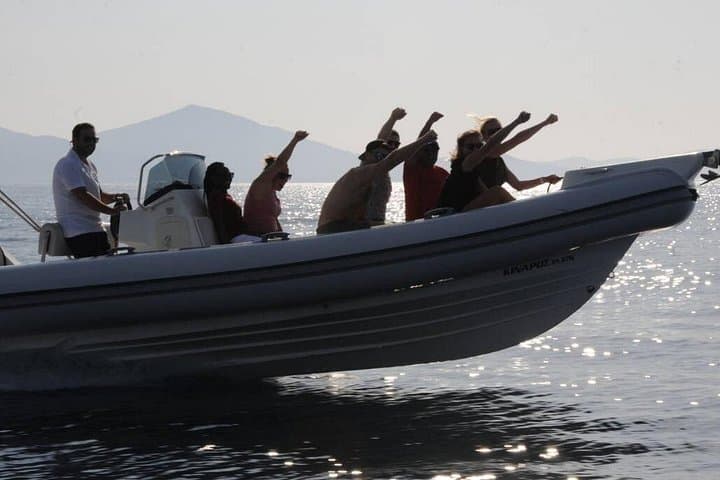
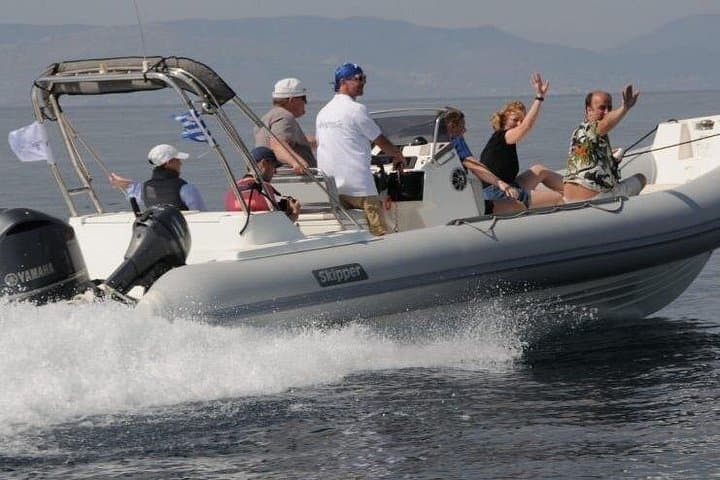
The engine cuts the shoreline to a thread as the speed boat slices through early light, spraying the hot Egyptian air. In less than 15 minutes you swap hotel terraces for a small deck, kit clipped and mask fogged, preparing to slip beneath the Red Sea’s glass surface. The reef waits like a living wall—banded corals reaching up, fish darting through crevices.
Verified experiences and guided adventures in the surrounding area.
Operated by Sea Secret Diving · Hurghada, Red Sea Governorate
The engine cuts the shoreline to a thread as the speed boat slices through early light, spraying the hot Egyptian air. In less than 15 minutes you swap hotel terraces for a small deck, kit clipped and mask fogged, preparing to slip beneath the Red Sea’s glass surface. The reef waits like a living wall—banded corals reaching up, fish darting through crevices.
The Red Sea’s reefs formed over millennia as coral colonies built on ancient rifted basins; Hurghada grew from a fishing settlement into a diving hub during the 20th century as tourism and marine science found the area’s clarity and biodiversity irresistible. Local culture still orbits the water—boat crews from coastal villages, simple cafes on the corniche, and Bedouin-guided excursions inland.
Expect a focused, time-efficient dive: a short transfer, instructor briefing, and roughly one hour underwater at a depth typical for recreational sites (10–18 m). The speed boat profile means sites are chosen for accessibility and reef health; currents may nudge the group, so buoyancy control matters. Wildlife commonly includes reef fish, parrotfish and occasional sea turtles.
Practical guidance: hydrate before boarding, leave jewelry onshore, and apply reef-safe sunscreen. Wear a swimsuit and light cover-up for the transfer; bring a towel and ID for check-in. If you’re new to diving, notify the operator—intro dives are usually supported with full briefings and close instructor oversight. Plan this as a compact marine encounter—fast transit, concentrated underwater time, and a hotel return that leaves room for more exploration on land or another dive later the same day.
Operators often accept beginners on guided introductory dives with full instructor supervision; certified divers should bring their certification card.
Typical recreational sites used by these trips range from 10–18 meters, but depth is set by the instructor based on conditions and diver experience.
Most central Hurghada hotels are included—confirm your pickup point at booking to ensure a scheduled transfer.
Visibility in Hurghada commonly ranges from 15–30 meters; water temperature varies seasonally, roughly 22–29°C (72–84°F).
Sea Secret Diving operates guided outdoor trips and adventures with an emphasis on safety, stewardship, and memorable experiences.

The engine cuts the shoreline to a thread as the speed boat slices through early light, spraying the hot Egyptian air. In less than 15 minutes you swap hotel terraces for a small deck, kit clipped and mask fogged, preparing to slip beneath the Red Sea’s glass surface. The reef waits like a living wall—banded corals reaching up, fish darting through crevices.
The engine cuts the shoreline to a thread as the speed boat slices through early light, spraying the hot Egyptian air. In less than 15 minutes you swap hotel terraces for a small deck, kit clipped and mask fogged, preparing to slip beneath the Red Sea’s glass surface. The reef waits like a living wall—banded corals reaching up, fish darting through crevices.
The Red Sea’s reefs formed over millennia as coral colonies built on ancient rifted basins; Hurghada grew from a fishing settlement into a diving hub during the 20th century as tourism and marine science found the area’s clarity and biodiversity irresistible. Local culture still orbits the water—boat crews from coastal villages, simple cafes on the corniche, and Bedouin-guided excursions inland.
Expect a focused, time-efficient dive: a short transfer, instructor briefing, and roughly one hour underwater at a depth typical for recreational sites (10–18 m). The speed boat profile means sites are chosen for accessibility and reef health; currents may nudge the group, so buoyancy control matters. Wildlife commonly includes reef fish, parrotfish and occasional sea turtles.
Practical guidance: hydrate before boarding, leave jewelry onshore, and apply reef-safe sunscreen. Wear a swimsuit and light cover-up for the transfer; bring a towel and ID for check-in. If you’re new to diving, notify the operator—intro dives are usually supported with full briefings and close instructor oversight. Plan this as a compact marine encounter—fast transit, concentrated underwater time, and a hotel return that leaves room for more exploration on land or another dive later the same day.