THE ADVENTURE COLLECTIVE® · Independent discovery and booking for outdoor travel

Make the long haul from Hurghada to Cairo in a single, full‑day sweep that pairs the Egyptian Museum’s treasures with the raw presence of the Giza Plateau. This one‑day tour covers museums, markets and the Pyramids with practical timing and gear tips.
Make the long haul from Hurghada to Cairo in a single, full‑day sweep that pairs the Egyptian Museum’s treasures with the raw presence of the Giza Plateau. This one‑day tour covers museums, markets and the Pyramids with practical timing and gear tips.
You step out of the air‑conditioned van into Cairo’s dry heat and the city hits you: traffic, honking, a skyline threaded with minarets. The day peels open with the Egyptian Museum at Tahrir Square, where gilded artifacts and Tutankhamun’s funerary mask sit behind glass, their craftsmanship daring you to imagine lives lived four millennia ago.
Verified experiences and guided adventures in the surrounding area.
Operated by Get Your Trip · Cairo, Cairo Governorate
You step out of the air‑conditioned van into Cairo’s dry heat and the city hits you: traffic, honking, a skyline threaded with minarets. The day peels open with the Egyptian Museum at Tahrir Square, where gilded artifacts and Tutankhamun’s funerary mask sit behind glass, their craftsmanship daring you to imagine lives lived four millennia ago.
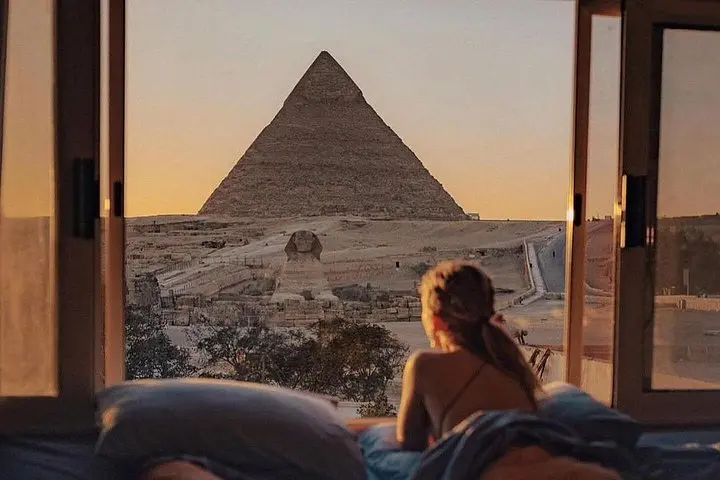
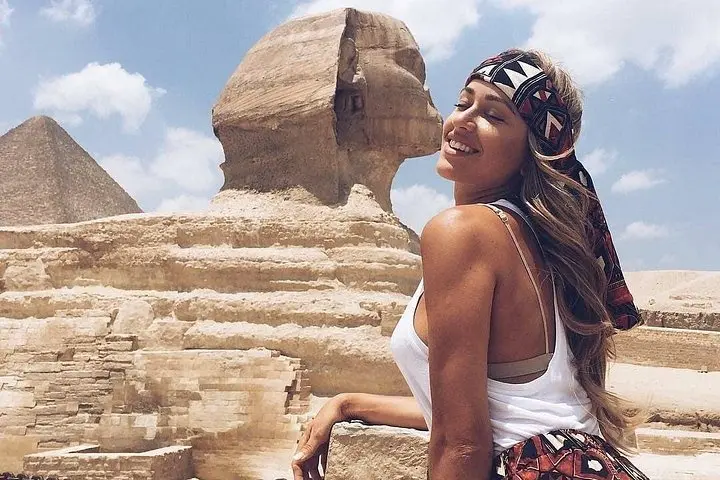
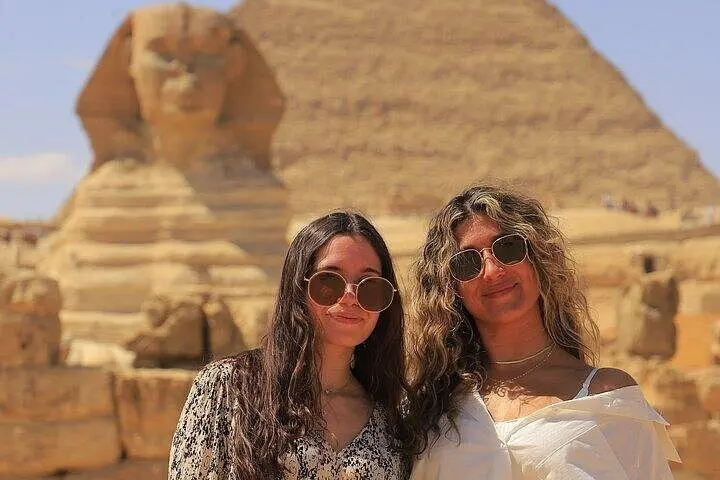
From the museum you move toward the edge of the desert, where the Giza Plateau rises like a deliberate interruption to urban sprawl. The Great Pyramid, Khafre and Menkaure press against the sky; the Sphinx glares eastward, half blanketed in sand and story. Geologically the stones are limestone and marl from the ancient Tethys seabed—solid, wind‑polished, and remarkably durable against millennia of weather and human curiosity.
Culture here is layered: Pharaonic monumentality overlaying Coptic and Islamic Cairo, modern cafés and bargaining in Khan el‑Khalili and nearby markets. Local guides—Egyptologists by trade—translate symbols and architecture into context: funerary rites, burial chambers, the politics of antiquities.
Practical guidance: expect a long day (roughly 17 hours door‑to‑door from Hurghada), carry at least 1.5–2 liters of water, and wear comfortable walking shoes for mixed terrain—paved museum floors and sandy, uneven plateau paths. Bring sun protection, local currency for market purchases, and patience for Cairo’s pace. Timing matters: early museum entry and late‑afternoon at the pyramids reduce heat and crowds. The trip’s rhythm moves from climate‑controlled interiors to raw desert exposure—plan clothing and energy management accordingly.
Transfers are long—expect about 5–6 hours each way by vehicle; the tour is structured as a full‑day (roughly 17 hours round trip).
Yes, standard entrance tickets to the Egyptian Museum and the Giza Plateau are included per the tour details.
Yes, the itinerary includes a sit‑down lunch at a local restaurant and scheduled stops at markets for souvenir shopping.
The tour is rated easy and suitable for most ages, but the plateau has uneven, sandy ground—limited mobility participants may find some sections challenging.
Get Your Trip operates guided outdoor trips and adventures with an emphasis on safety, stewardship, and memorable experiences.
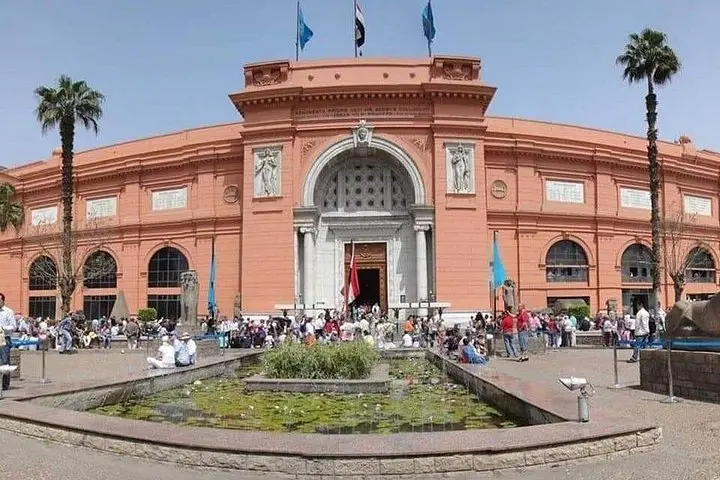
You step out of the air‑conditioned van into Cairo’s dry heat and the city hits you: traffic, honking, a skyline threaded with minarets. The day peels open with the Egyptian Museum at Tahrir Square, where gilded artifacts and Tutankhamun’s funerary mask sit behind glass, their craftsmanship daring you to imagine lives lived four millennia ago.
You step out of the air‑conditioned van into Cairo’s dry heat and the city hits you: traffic, honking, a skyline threaded with minarets. The day peels open with the Egyptian Museum at Tahrir Square, where gilded artifacts and Tutankhamun’s funerary mask sit behind glass, their craftsmanship daring you to imagine lives lived four millennia ago.
From the museum you move toward the edge of the desert, where the Giza Plateau rises like a deliberate interruption to urban sprawl. The Great Pyramid, Khafre and Menkaure press against the sky; the Sphinx glares eastward, half blanketed in sand and story. Geologically the stones are limestone and marl from the ancient Tethys seabed—solid, wind‑polished, and remarkably durable against millennia of weather and human curiosity.
Culture here is layered: Pharaonic monumentality overlaying Coptic and Islamic Cairo, modern cafés and bargaining in Khan el‑Khalili and nearby markets. Local guides—Egyptologists by trade—translate symbols and architecture into context: funerary rites, burial chambers, the politics of antiquities.
Practical guidance: expect a long day (roughly 17 hours door‑to‑door from Hurghada), carry at least 1.5–2 liters of water, and wear comfortable walking shoes for mixed terrain—paved museum floors and sandy, uneven plateau paths. Bring sun protection, local currency for market purchases, and patience for Cairo’s pace. Timing matters: early museum entry and late‑afternoon at the pyramids reduce heat and crowds. The trip’s rhythm moves from climate‑controlled interiors to raw desert exposure—plan clothing and energy management accordingly.