THE ADVENTURE COLLECTIVE® · Independent discovery and booking for outdoor travel

Leave Hurghada before dawn for a full-day, small-group journey to Cairo’s Grand Egyptian Museum and the Pyramids of Giza. Expect a long but smooth A/C transfer, expert Egyptologist commentary, a local BBQ lunch, and time at the Sphinx and Valley Temple.
Leave Hurghada before dawn for a full-day, small-group journey to Cairo’s Grand Egyptian Museum and the Pyramids of Giza. Expect a long but smooth A/C transfer, expert Egyptologist commentary, a local BBQ lunch, and time at the Sphinx and Valley Temple.
The day begins before sunrise on the Red Sea coast—an air-conditioned minivan eases out of Hurghada and rolls across the desert, the highway stretching like a pale ribbon toward Cairo. As the city skyline approaches the desert gives way to the Giza Plateau: a low, rocky limestone stage where monuments rise from the sand.
Verified experiences and guided adventures in the surrounding area.
Operated by AVA Travel Service · Giza, Cairo Governorate
The day begins before sunrise on the Red Sea coast—an air-conditioned minivan eases out of Hurghada and rolls across the desert, the highway stretching like a pale ribbon toward Cairo. As the city skyline approaches the desert gives way to the Giza Plateau: a low, rocky limestone stage where monuments rise from the sand.
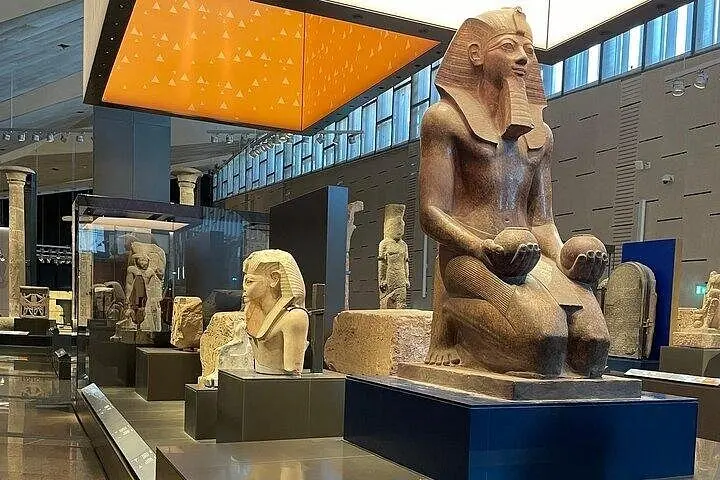
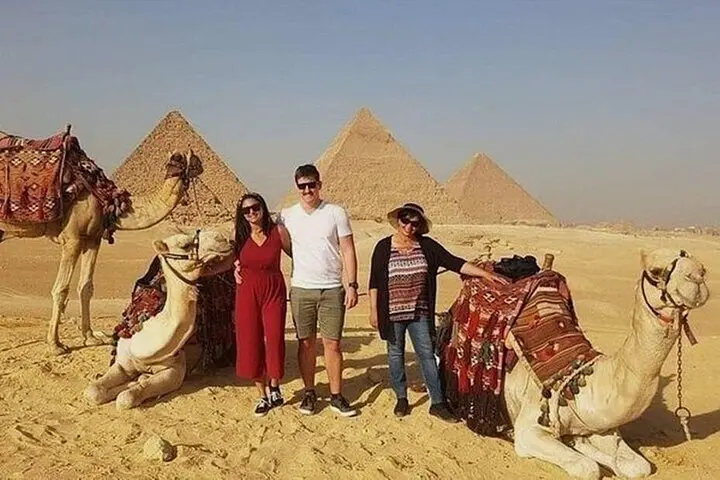
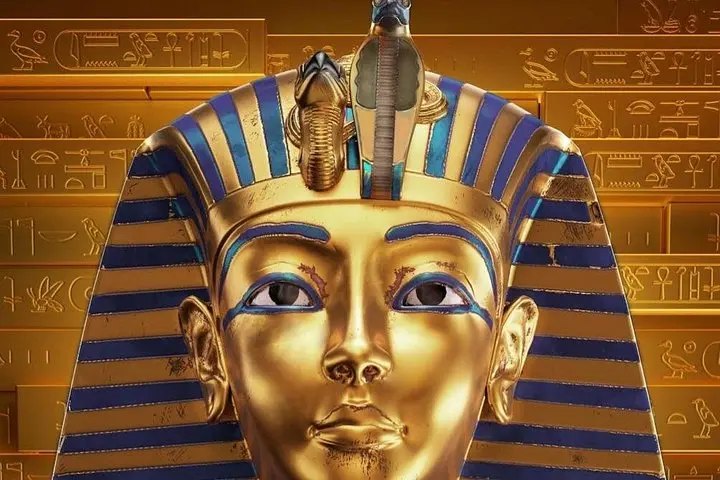
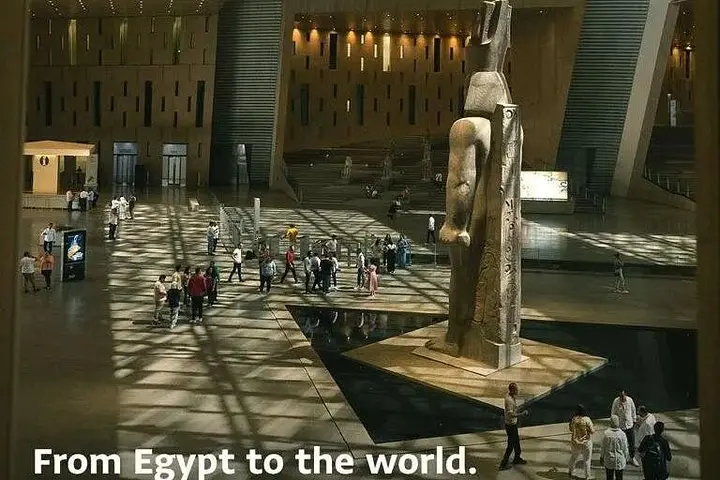
You arrive first at the Grand Egyptian Museum (GEM), a modern repository for five millennia of pharaonic riches. Galleries are arranged for storytelling: royal coffins, statues, and the reunited treasures of Tutankhamun. Later, the Giza Plateau unfolds—Khufu’s Great Pyramid, Khafre’s angled silhouette, and Menkaure’s smaller massif—each hewn from local limestone and engineered to precise alignments. The Sphinx watches over the plain; the Valley Temple’s dressed stone floors still carry echoes of funerary rituals.
Culturally, this corridor links contemporary Cairo life with ancient statecraft—local guides frame the monuments in human terms, explaining labor, religious belief, and the shifting Nile that once fed Egypt’s power. Geologically, you’ll notice how the plateau’s bedrock offered both building material and a natural foundation for millennia-long preservation.
Practical guidance: this is a long (15–16 hour) day with hotel pickup and return; entry tickets are not included, so have cash or card ready. Wear breathable layers, sturdy closed shoes, sun protection, and carry refillable water—desert sun and long walks demand it. Photography rules vary by site and museum—confirm with your guide. If the midafternoon heat is intense, ask to schedule the museum in the cooler morning hours and the plateau later in the day.
No—this tour’s price does not include entry tickets for the Grand Egyptian Museum or the Giza Plateau; bring funds to purchase tickets on-site or ask your operator about add-ons.
Door-to-door the trip runs about 15–16 hours total, including an approximately 4–5 hour drive each way depending on traffic and stops.
The itinerary is physically easy but long; infant seats are available on request and the tour is not recommended for travelers with serious back, heart, or pregnancy-related concerns.
Photography policies can change—your Egyptologist guide will update you on permitted areas and flash restrictions; commercial photography often requires prior approval.
AVA Travel Service operates guided outdoor trips and adventures with an emphasis on safety, stewardship, and memorable experiences.
The day begins before sunrise on the Red Sea coast—an air-conditioned minivan eases out of Hurghada and rolls across the desert, the highway stretching like a pale ribbon toward Cairo. As the city skyline approaches the desert gives way to the Giza Plateau: a low, rocky limestone stage where monuments rise from the sand.
The day begins before sunrise on the Red Sea coast—an air-conditioned minivan eases out of Hurghada and rolls across the desert, the highway stretching like a pale ribbon toward Cairo. As the city skyline approaches the desert gives way to the Giza Plateau: a low, rocky limestone stage where monuments rise from the sand.
You arrive first at the Grand Egyptian Museum (GEM), a modern repository for five millennia of pharaonic riches. Galleries are arranged for storytelling: royal coffins, statues, and the reunited treasures of Tutankhamun. Later, the Giza Plateau unfolds—Khufu’s Great Pyramid, Khafre’s angled silhouette, and Menkaure’s smaller massif—each hewn from local limestone and engineered to precise alignments. The Sphinx watches over the plain; the Valley Temple’s dressed stone floors still carry echoes of funerary rituals.
Culturally, this corridor links contemporary Cairo life with ancient statecraft—local guides frame the monuments in human terms, explaining labor, religious belief, and the shifting Nile that once fed Egypt’s power. Geologically, you’ll notice how the plateau’s bedrock offered both building material and a natural foundation for millennia-long preservation.
Practical guidance: this is a long (15–16 hour) day with hotel pickup and return; entry tickets are not included, so have cash or card ready. Wear breathable layers, sturdy closed shoes, sun protection, and carry refillable water—desert sun and long walks demand it. Photography rules vary by site and museum—confirm with your guide. If the midafternoon heat is intense, ask to schedule the museum in the cooler morning hours and the plateau later in the day.