THE ADVENTURE COLLECTIVE® · Independent discovery and booking for outdoor travel

A long, immersive day from Hurghada that places you at the foot of the Great Pyramid and inside Cairo’s Egyptian Museum. Expect long transit, guided history, and up-close access to some of Egypt’s most iconic sites.
A long, immersive day from Hurghada that places you at the foot of the Great Pyramid and inside Cairo’s Egyptian Museum. Expect long transit, guided history, and up-close access to some of Egypt’s most iconic sites.
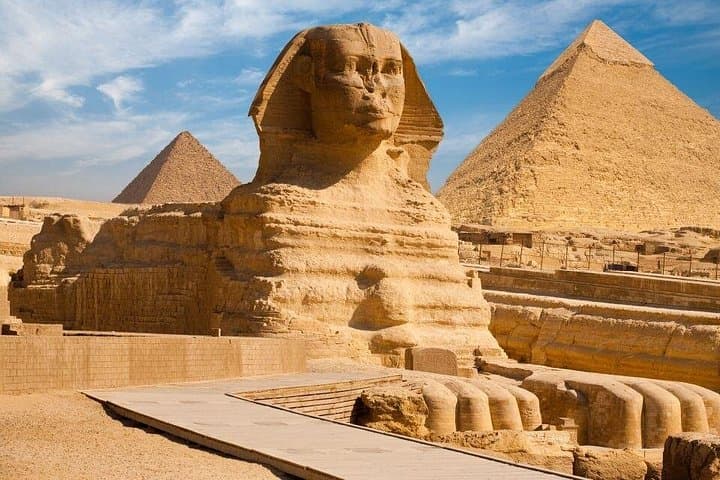
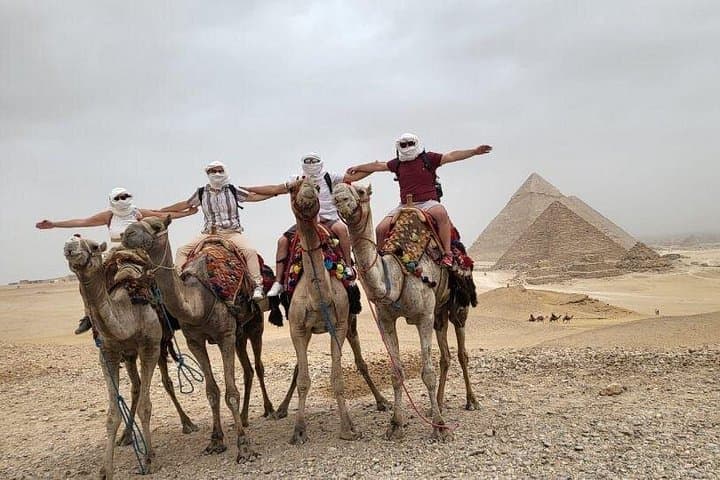
You leave Hurghada before dawn, the Red Sea coast shrinking behind the coach as the desert stretches ahead—silent sand flats and low scrub that seem to push you toward the rim of history. By midmorning you stand on the Giza Plateau: the Great Pyramid rises like a carved horizon, the Sphinx watches the traffic of tourists and time with measured patience.
Verified experiences and guided adventures in the surrounding area.
Operated by Aria tours · Giza, Giza Governorate
You leave Hurghada before dawn, the Red Sea coast shrinking behind the coach as the desert stretches ahead—silent sand flats and low scrub that seem to push you toward the rim of history. By midmorning you stand on the Giza Plateau: the Great Pyramid rises like a carved horizon, the Sphinx watches the traffic of tourists and time with measured patience.
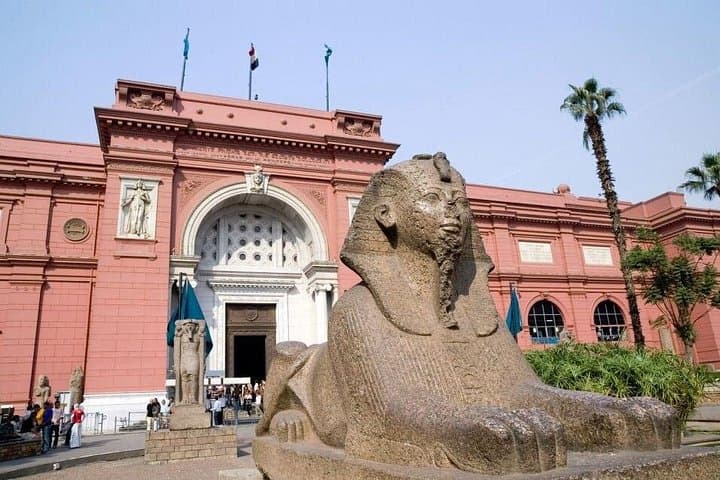
The plateau is a lesson in geology and human will—limestone and casing stones worn by millennia, quarried and set with improbable precision around 4,500 years ago for Khufu and his successors. Nearby, the Valley Temple’s dressed blocks and mortuary remains show the logistics of ancient funerary rites. Later, the Egyptian Museum in downtown Cairo gives context: cabinets of gold, funerary masks and daily-life artifacts that explain how those massive monuments fit into a civilization’s lifecycle.
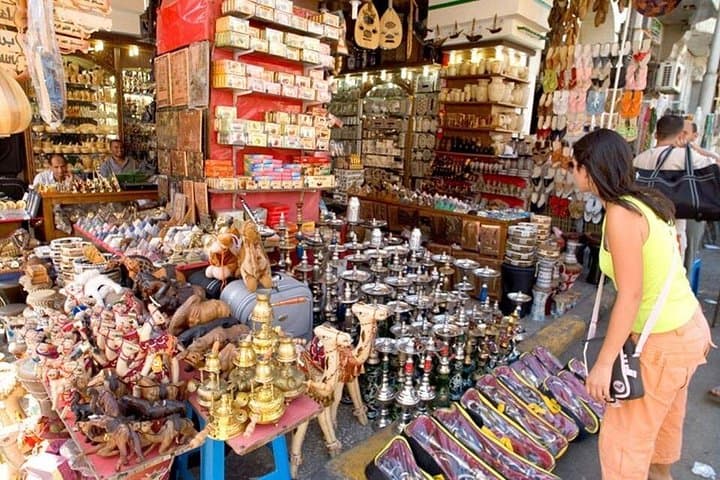
Culturally the day moves fast: expect Arabic spoken in markets and guide-side interpretations from trained Egyptologists, and plan for crowds, photo rules, and vendors. Practically, the trip is long—the published itinerary includes several hours of transit each way and dedicated time at the pyramids, Sphinx/Valley Temple and the museum—so carry water, sun protection and a compact patience.
Tips: confirm hotel pickup, bring original passport (required for entry), ask your guide about photography restrictions in galleries, and budget small local cash for tips and incidentals. The reward is straightforward: up-close monuments that reshape your sense of scale and antiquity in a single exhaustive, unforgettable day.
Hotel pickup/transportation is listed as an inclusion (often optional) — confirm your specific pickup location and time at booking.
The tour description indicates entry tickets for the Pyramids, Sphinx/Valley Temple and the Egyptian Museum are included; keep confirmation handy.
Typical itinerary allocates roughly 2 hours on the Giza Plateau, 2 hours at the Sphinx/Valley Temple area, and about 90 minutes at the Egyptian Museum, with extended transit time between Hurghada and Cairo.
Lunch at a local restaurant is included; bring small change for snacks or additional drinks during the day.
Aria tours operates guided outdoor trips and adventures with an emphasis on safety, stewardship, and memorable experiences.
You leave Hurghada before dawn, the Red Sea coast shrinking behind the coach as the desert stretches ahead—silent sand flats and low scrub that seem to push you toward the rim of history. By midmorning you stand on the Giza Plateau: the Great Pyramid rises like a carved horizon, the Sphinx watches the traffic of tourists and time with measured patience.
You leave Hurghada before dawn, the Red Sea coast shrinking behind the coach as the desert stretches ahead—silent sand flats and low scrub that seem to push you toward the rim of history. By midmorning you stand on the Giza Plateau: the Great Pyramid rises like a carved horizon, the Sphinx watches the traffic of tourists and time with measured patience.
The plateau is a lesson in geology and human will—limestone and casing stones worn by millennia, quarried and set with improbable precision around 4,500 years ago for Khufu and his successors. Nearby, the Valley Temple’s dressed blocks and mortuary remains show the logistics of ancient funerary rites. Later, the Egyptian Museum in downtown Cairo gives context: cabinets of gold, funerary masks and daily-life artifacts that explain how those massive monuments fit into a civilization’s lifecycle.
Culturally the day moves fast: expect Arabic spoken in markets and guide-side interpretations from trained Egyptologists, and plan for crowds, photo rules, and vendors. Practically, the trip is long—the published itinerary includes several hours of transit each way and dedicated time at the pyramids, Sphinx/Valley Temple and the museum—so carry water, sun protection and a compact patience.
Tips: confirm hotel pickup, bring original passport (required for entry), ask your guide about photography restrictions in galleries, and budget small local cash for tips and incidentals. The reward is straightforward: up-close monuments that reshape your sense of scale and antiquity in a single exhaustive, unforgettable day.