THE ADVENTURE COLLECTIVE® · Independent discovery and booking for outdoor travel

Spend three hours meeting sled dogs and reindeer just outside Rovaniemi—pet, photograph, and ride a sleigh while learning about Sami herding and Arctic sled traditions. Practical advice helps you plan for cold, icy tracks and animal interaction etiquette.
Spend three hours meeting sled dogs and reindeer just outside Rovaniemi—pet, photograph, and ride a sleigh while learning about Sami herding and Arctic sled traditions. Practical advice helps you plan for cold, icy tracks and animal interaction etiquette.
A thin ribbon of polished sleigh runners cuts through a silver-quiet birch wood as breath fogs in the air and reindeer bells echo across the clearing. Huskies pace and nuzzle at handlers; antlers shimmer with frost. This three-hour combo drops you into two of Lapland’s working animal cultures—sled-dog kennels built for speed and reindeer farms shaped by centuries of herding.
Verified experiences and guided adventures in the surrounding area.
A thin ribbon of polished sleigh runners cuts through a silver-quiet birch wood as breath fogs in the air and reindeer bells echo across the clearing. Huskies pace and nuzzle at handlers; antlers shimmer with frost. This three-hour combo drops you into two of Lapland’s working animal cultures—sled-dog kennels built for speed and reindeer farms shaped by centuries of herding.
The region around Rovaniemi sits on post-glacial plains carved by moving ice, with low fells and peat mires that hold snow long into spring. Reindeer husbandry is woven into Sami culture—an ecological practice and livelihood for generations—while sled-dog racing and dog teams trace both practical transport and modern sport traditions in the Arctic.
On this short circuit expect firm, often icy tracks and flat to gently rolling forest roads; elevation change is minimal and walks between enclosures are typically under a kilometer. Handlers guide interactions—petting, short photo sessions, and sleigh rides of a few hundred meters to a few kilometers—so respect for the animals and following staff instructions are central to the experience.
Practical guidance: dress in layered, wind-resistant clothing, bring warm footwear with good grip, and carry spare batteries for cameras (cold drains them fast). Midday light in winter is best for photos and calmer animals; mornings can be busiest. The activity is family-friendly but ask about age limits and lap-seating rules before booking. Simple preparation will turn an icy, brisk encounter into a memorable Arctic day—close to nature, safely managed, and undeniably lively.
Yes—many families take part; seating rules and age limits vary by operator so confirm during booking and supervise children around animals.
No—rides are guided by experienced handlers and require no prior skill; participants are usually passengers.
Tours operate in most conditions but may be adjusted or canceled for safety in extreme weather; handlers monitor animal welfare and track safety.
Handlers typically allow supervised petting and photos; feeding is usually restricted to staff to protect animal diets and safety.
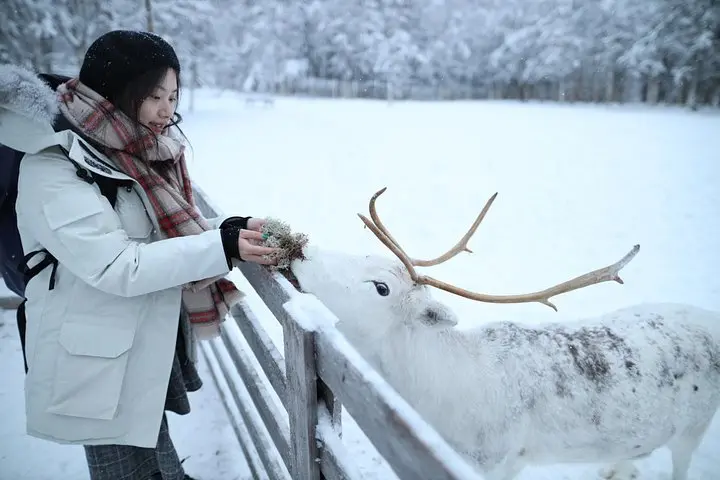
A thin ribbon of polished sleigh runners cuts through a silver-quiet birch wood as breath fogs in the air and reindeer bells echo across the clearing. Huskies pace and nuzzle at handlers; antlers shimmer with frost. This three-hour combo drops you into two of Lapland’s working animal cultures—sled-dog kennels built for speed and reindeer farms shaped by centuries of herding.
A thin ribbon of polished sleigh runners cuts through a silver-quiet birch wood as breath fogs in the air and reindeer bells echo across the clearing. Huskies pace and nuzzle at handlers; antlers shimmer with frost. This three-hour combo drops you into two of Lapland’s working animal cultures—sled-dog kennels built for speed and reindeer farms shaped by centuries of herding.
The region around Rovaniemi sits on post-glacial plains carved by moving ice, with low fells and peat mires that hold snow long into spring. Reindeer husbandry is woven into Sami culture—an ecological practice and livelihood for generations—while sled-dog racing and dog teams trace both practical transport and modern sport traditions in the Arctic.
On this short circuit expect firm, often icy tracks and flat to gently rolling forest roads; elevation change is minimal and walks between enclosures are typically under a kilometer. Handlers guide interactions—petting, short photo sessions, and sleigh rides of a few hundred meters to a few kilometers—so respect for the animals and following staff instructions are central to the experience.
Practical guidance: dress in layered, wind-resistant clothing, bring warm footwear with good grip, and carry spare batteries for cameras (cold drains them fast). Midday light in winter is best for photos and calmer animals; mornings can be busiest. The activity is family-friendly but ask about age limits and lap-seating rules before booking. Simple preparation will turn an icy, brisk encounter into a memorable Arctic day—close to nature, safely managed, and undeniably lively.