THE ADVENTURE COLLECTIVE® · Independent discovery and booking for outdoor travel

Meet a pack of roughly 80 huskies at Fjälläventyr Dog Park for a guided, two-hour visit that combines hands-on cuddles with education about sled-dog life. Perfect for families and animal lovers, the experience is accessible but requires pre-booking and adherence to handler instructions.
Meet a pack of roughly 80 huskies at Fjälläventyr Dog Park for a guided, two-hour visit that combines hands-on cuddles with education about sled-dog life. Perfect for families and animal lovers, the experience is accessible but requires pre-booking and adherence to handler instructions.
Snow-crisp air, the soft pant of breath, and a ring of inquisitive huskies: the visit to Fjälläventyr Dog Park begins as a sensory jolt. Guests step from a shuttle or short drive into a fenced yard where roughly 80 polar dogs move with restless curiosity; handlers guide introductions so visitors meet calm leaders first and higher-energy adolescents later.
Verified experiences and guided adventures in the surrounding area.
Operated by Fjallaventyr · Åre, Jämtland County
Snow-crisp air, the soft pant of breath, and a ring of inquisitive huskies: the visit to Fjälläventyr Dog Park begins as a sensory jolt. Guests step from a shuttle or short drive into a fenced yard where roughly 80 polar dogs move with restless curiosity; handlers guide introductions so visitors meet calm leaders first and higher-energy adolescents later.
The landscape around Åre is shaped by glaciation and folded rock; the kennel sits where mountain winds roll down tree-lines and the smell of resin and damp earth lingers under snow. Sled dogs have been part of northern Scandinavian life for centuries, used for transport and hunting; today these huskies carry cultural value as working animals and ambassadors of winter recreation.
The visit mixes education and contact: guides explain breeding, training, social structure and seasonal routines—how the pack’s tempo shifts from summer maintenance to winter sprint-building. Cultural notes touch on Sami and local winter traditions that informed sled-dog use in the region.
Practical guidance: the two-hour visit is accessible and family-friendly, but the park requires pre-booking and guided entry. Dress in layered, windproof clothing and sturdy footwear—mud and slush are common outside deep winter. Keep jewelry and strong scents minimal and follow handlers’ directions during play: dogs are high-energy and will crowd; children should be supervised. Bring a camera with a fast shutter for moving faces and pocket hand-warmers for long photo sessions. The visit supports kennel care—arrive ready to learn, give space, and enjoy a rare close-up of a hard-working Arctic breed.
No—this is an easy, two-hour experience suitable for most visitors; it involves short walks and standing in the kennel yard.
No—outside dogs are not permitted inside the dog park for biosecurity and pack safety reasons.
Yes—infants may ride in strollers but must sit on an adult’s lap during parts of the visit; handlers will adapt play for younger participants.
The visit runs in most weather; cancellation policy allows refunds if you cancel at least 24 hours in advance, but the park typically operates unless extreme conditions occur.
Fjallaventyr operates guided outdoor trips and adventures with an emphasis on safety, stewardship, and memorable experiences.
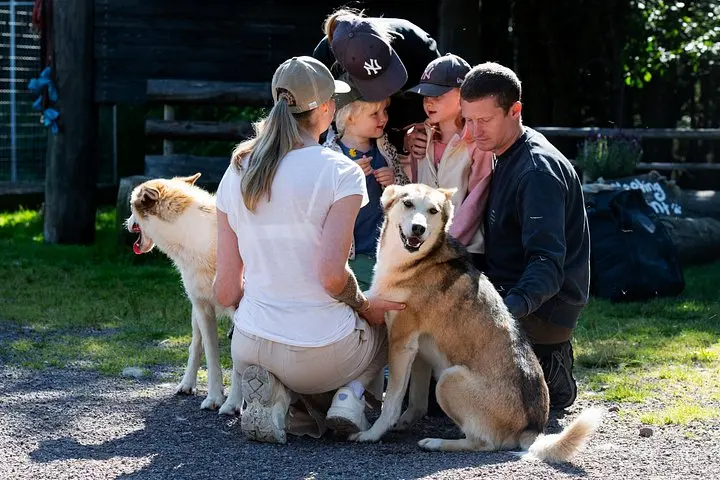
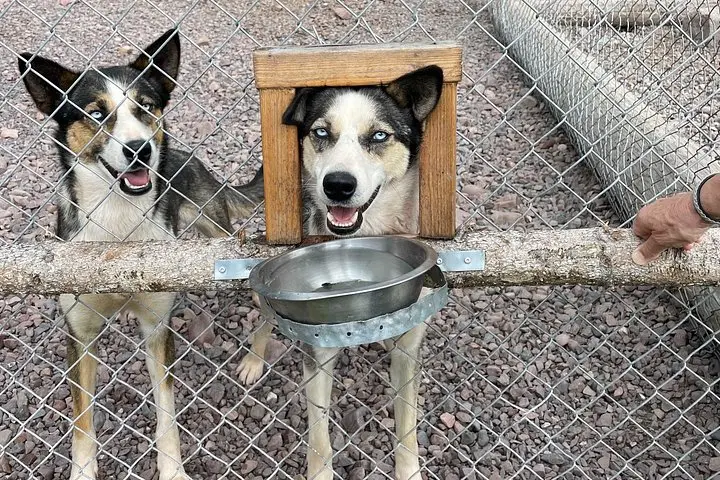
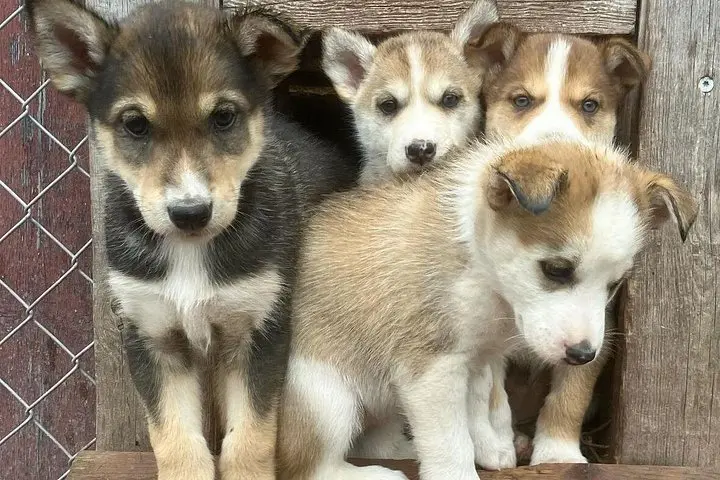
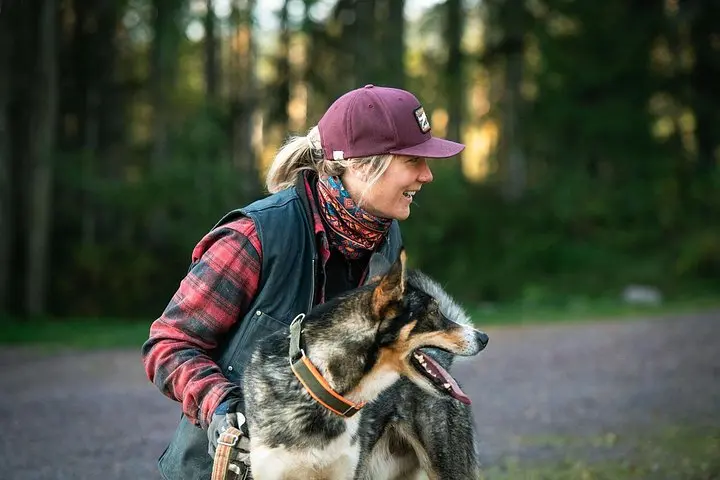
Snow-crisp air, the soft pant of breath, and a ring of inquisitive huskies: the visit to Fjälläventyr Dog Park begins as a sensory jolt. Guests step from a shuttle or short drive into a fenced yard where roughly 80 polar dogs move with restless curiosity; handlers guide introductions so visitors meet calm leaders first and higher-energy adolescents later.
Snow-crisp air, the soft pant of breath, and a ring of inquisitive huskies: the visit to Fjälläventyr Dog Park begins as a sensory jolt. Guests step from a shuttle or short drive into a fenced yard where roughly 80 polar dogs move with restless curiosity; handlers guide introductions so visitors meet calm leaders first and higher-energy adolescents later.
The landscape around Åre is shaped by glaciation and folded rock; the kennel sits where mountain winds roll down tree-lines and the smell of resin and damp earth lingers under snow. Sled dogs have been part of northern Scandinavian life for centuries, used for transport and hunting; today these huskies carry cultural value as working animals and ambassadors of winter recreation.
The visit mixes education and contact: guides explain breeding, training, social structure and seasonal routines—how the pack’s tempo shifts from summer maintenance to winter sprint-building. Cultural notes touch on Sami and local winter traditions that informed sled-dog use in the region.
Practical guidance: the two-hour visit is accessible and family-friendly, but the park requires pre-booking and guided entry. Dress in layered, windproof clothing and sturdy footwear—mud and slush are common outside deep winter. Keep jewelry and strong scents minimal and follow handlers’ directions during play: dogs are high-energy and will crowd; children should be supervised. Bring a camera with a fast shutter for moving faces and pocket hand-warmers for long photo sessions. The visit supports kennel care—arrive ready to learn, give space, and enjoy a rare close-up of a hard-working Arctic breed.