THE ADVENTURE COLLECTIVE® · Independent discovery and booking for outdoor travel

Walk gentle island trails through lavender-scented terraces, visit preserved stone villages, and taste Dalmatian food and wine. This easy Hvar hike blends natural beauty, local history, and hands-on learning about lavender cultivation.
Walk gentle island trails through lavender-scented terraces, visit preserved stone villages, and taste Dalmatian food and wine. This easy Hvar hike blends natural beauty, local history, and hands-on learning about lavender cultivation.
You step off the ferry into Hvar’s crystalline light and a breeze that smells faintly of sea and something sweeter—lavender carried from the hills. The trail rises gently from coastal stone, moving into terraces of low Mediterranean scrub and the bright purple bands that crown the island each summer. Villages appear as clusters of stone houses with narrow lanes, their roofs warmed by the sun; locals sit in konobas pouring wine and telling stories of harvests past.
Verified experiences and guided adventures in the surrounding area.
Operated by Hiking Hvar · Hvar, Split-Dalmatia County
You step off the ferry into Hvar’s crystalline light and a breeze that smells faintly of sea and something sweeter—lavender carried from the hills. The trail rises gently from coastal stone, moving into terraces of low Mediterranean scrub and the bright purple bands that crown the island each summer. Villages appear as clusters of stone houses with narrow lanes, their roofs warmed by the sun; locals sit in konobas pouring wine and telling stories of harvests past.
Hvar’s terraces are carved from limestone; karst geology shapes thin soils where lavender, rosemary, and sage thrive. The island’s lavender tradition dates to 19th-century cultivation for oils and soaps, and villages like Velo and Malo Grablje preserve the rural architecture and rhythms of that era. You’ll pass dry stone walls, scattered cisterns, and distillation spots where aromatic steam used to be captured.
This is an easy, sensory hike: expect compact dirt tracks, short paved stretches, and modest slopes suitable for most fitness levels. Guides combine walking with stops—village histories, a demonstration of lavender processing, and a tasting at a konoba where simple Dalmatian fare meets local wines.
Practical guidance: bring 1.5–2 liters of water, sun protection, and sturdy walking shoes; avoid open sandals. Travel in late June to mid-July for peak bloom, and plan mornings or late afternoons to avoid midday heat. Respect fields—don’t pick flowers—and be prepared for uneven footing in some village lanes. With modest effort, the route rewards with scent-rich views, honest local food, and a clear sense of island life.
Lavender typically peaks late June through mid-July; exact timing varies with weather, so check local reports for that year.
Yes—this is an easy route with gentle slopes, but bring breaks, water, and sturdy shoes; mobility limitations should be discussed with the operator in advance.
Tastings and a konoba meal are normally part of the itinerary—confirm specifics with the tour operator when booking.
Most travelers arrive via ferry to Hvar town; public transport and local pickup options may be available—verify pickup details when you book.
Hiking Hvar operates guided outdoor trips and adventures with an emphasis on safety, stewardship, and memorable experiences.
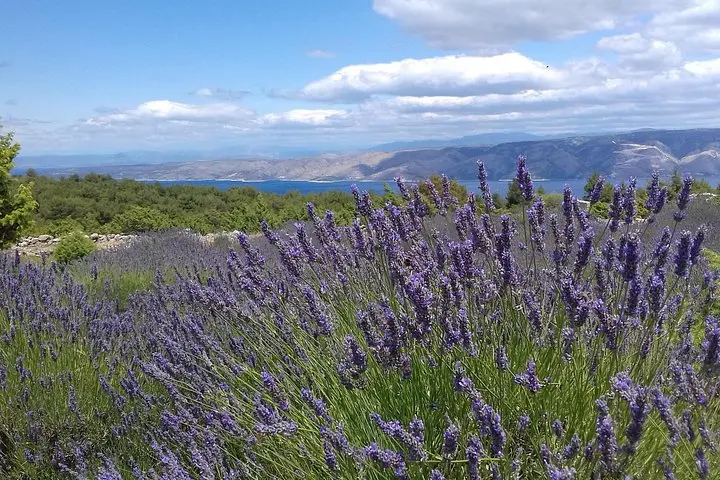
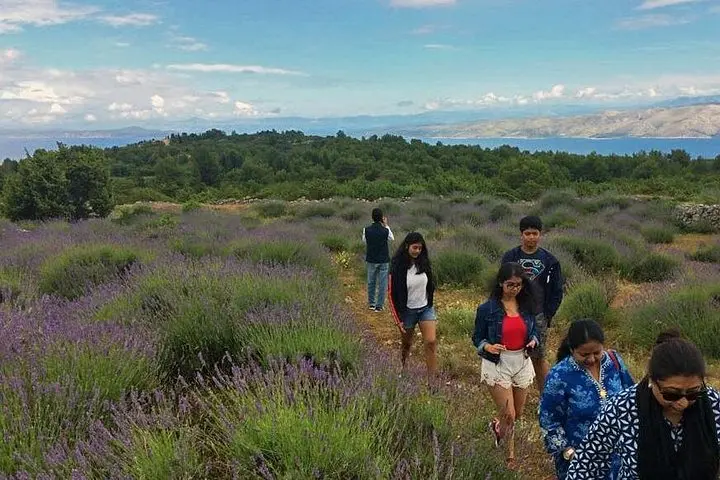
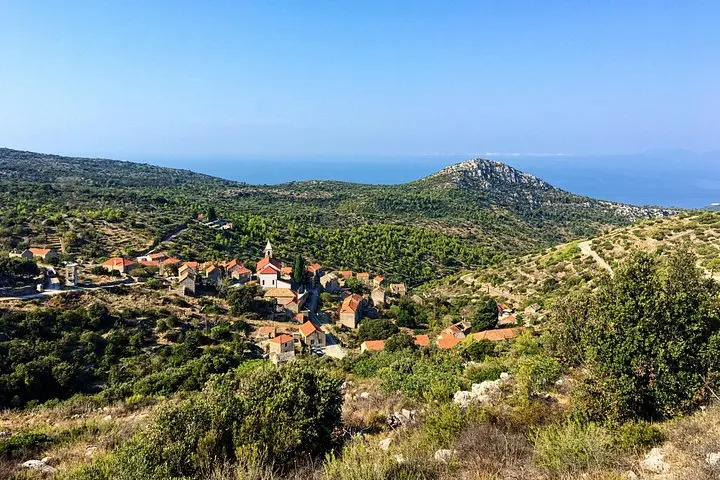
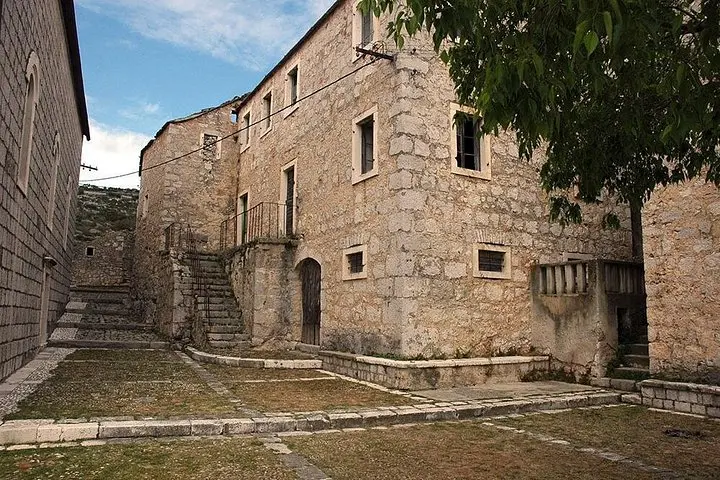
You step off the ferry into Hvar’s crystalline light and a breeze that smells faintly of sea and something sweeter—lavender carried from the hills. The trail rises gently from coastal stone, moving into terraces of low Mediterranean scrub and the bright purple bands that crown the island each summer. Villages appear as clusters of stone houses with narrow lanes, their roofs warmed by the sun; locals sit in konobas pouring wine and telling stories of harvests past.
You step off the ferry into Hvar’s crystalline light and a breeze that smells faintly of sea and something sweeter—lavender carried from the hills. The trail rises gently from coastal stone, moving into terraces of low Mediterranean scrub and the bright purple bands that crown the island each summer. Villages appear as clusters of stone houses with narrow lanes, their roofs warmed by the sun; locals sit in konobas pouring wine and telling stories of harvests past.
Hvar’s terraces are carved from limestone; karst geology shapes thin soils where lavender, rosemary, and sage thrive. The island’s lavender tradition dates to 19th-century cultivation for oils and soaps, and villages like Velo and Malo Grablje preserve the rural architecture and rhythms of that era. You’ll pass dry stone walls, scattered cisterns, and distillation spots where aromatic steam used to be captured.
This is an easy, sensory hike: expect compact dirt tracks, short paved stretches, and modest slopes suitable for most fitness levels. Guides combine walking with stops—village histories, a demonstration of lavender processing, and a tasting at a konoba where simple Dalmatian fare meets local wines.
Practical guidance: bring 1.5–2 liters of water, sun protection, and sturdy walking shoes; avoid open sandals. Travel in late June to mid-July for peak bloom, and plan mornings or late afternoons to avoid midday heat. Respect fields—don’t pick flowers—and be prepared for uneven footing in some village lanes. With modest effort, the route rewards with scent-rich views, honest local food, and a clear sense of island life.