THE ADVENTURE COLLECTIVE® · Independent discovery and booking for outdoor travel

Walk lavender terraces, meet family farmers and taste honey and brandy made on Hvar. This four-hour, moderately paced tour visits UNESCO Stari Grad Plain and offers hands-on insight into local lavender and beekeeping traditions.
Walk lavender terraces, meet family farmers and taste honey and brandy made on Hvar. This four-hour, moderately paced tour visits UNESCO Stari Grad Plain and offers hands-on insight into local lavender and beekeeping traditions.
You step out of the van onto a sunbaked terrace and the island exhales: a warm, dry breeze carries lavender and sea salt together, pushing you deeper into rows of violet that seem to pulse with scent.
Verified experiences and guided adventures in the surrounding area.
Operated by NoSelfie travel agency · Hvar, Split-Dalmatia County
You step out of the van onto a sunbaked terrace and the island exhales: a warm, dry breeze carries lavender and sea salt together, pushing you deeper into rows of violet that seem to pulse with scent.
This half-day tour threads through Brusje and Velo Grablje—villages shaped by centuries of small-scale farming—and visits the UNESCO-protected Stari Grad Plain, a Greek-era grid of stone walls and terraced fields that still determines land use on Hvar today. Geologically the island is karst limestone; the thin soils and terraces produce intensely aromatic lavender and encourage beekeeping on sheltered slopes.
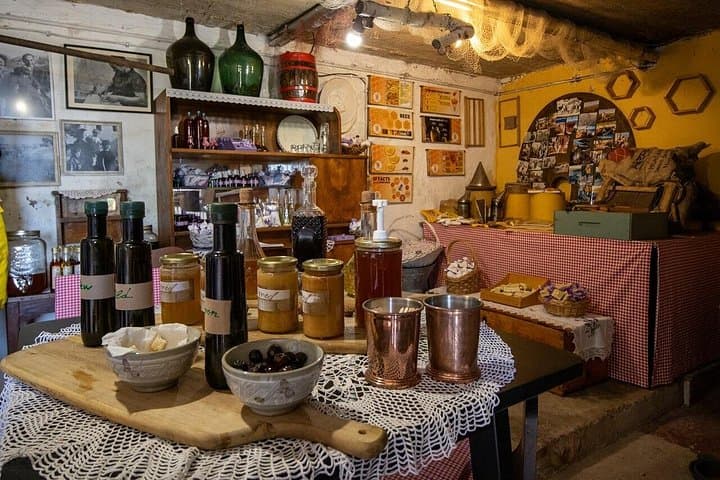
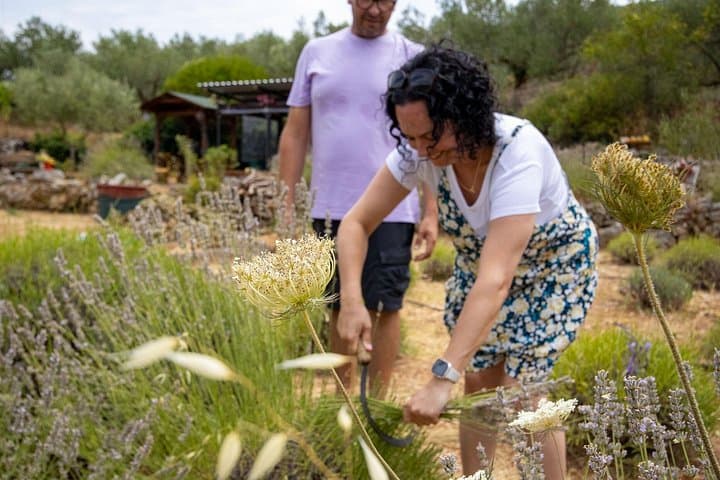
Culture here is hands-on: family-run farms, local distillation of essential oils, and beekeepers who turn nectar into dense, floral honey. The tour includes a working lavender family farm visit and a hosted honey-and-brandy tasting with producers; these are living traditions, not staged exhibits.
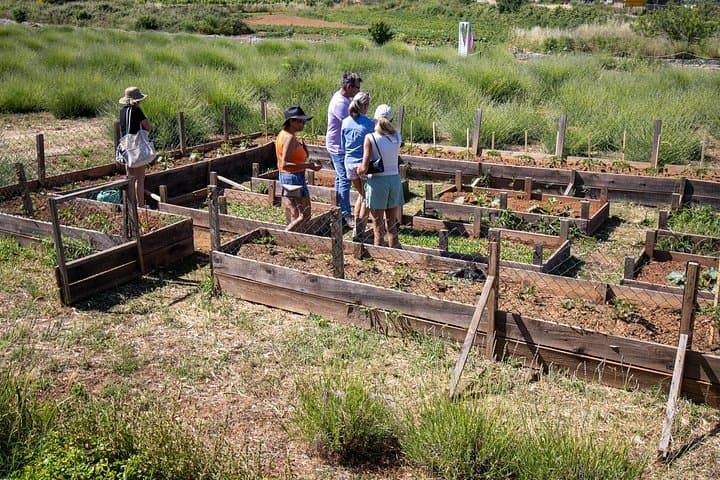
Practically, expect uneven stone paths, short uphill walks between terraces, and several brief guided stops totaling about four hours. Peak lavender color and scent arrive in June–July; outside those months fields are quieter but products remain available.
Bring sun protection and sturdy shoes, and budget small cash payments for on-site tastings and farm admissions. Plan for mid-morning or late-afternoon departures to avoid the harshest heat and to capture the scent when oil concentration is highest. This is an accessible, moderately active cultural-horticultural excursion that places you in direct contact with the island’s agricultural rhythms.
The strongest bloom and fragrance are typically in June and July; exact timing depends on spring weather and elevation.
Tastings and some farm admissions are paid on-site (roughly €20 per tasting) and are not included in the base tour price.
No; the tour includes uneven stone terraces and short hikes—participants should have moderate mobility and balance.
Yes; private transport (car or van depending on group size) between villages and sites is included in the tour.
NoSelfie travel agency operates guided outdoor trips and adventures with an emphasis on safety, stewardship, and memorable experiences.

You step out of the van onto a sunbaked terrace and the island exhales: a warm, dry breeze carries lavender and sea salt together, pushing you deeper into rows of violet that seem to pulse with scent.
You step out of the van onto a sunbaked terrace and the island exhales: a warm, dry breeze carries lavender and sea salt together, pushing you deeper into rows of violet that seem to pulse with scent.
This half-day tour threads through Brusje and Velo Grablje—villages shaped by centuries of small-scale farming—and visits the UNESCO-protected Stari Grad Plain, a Greek-era grid of stone walls and terraced fields that still determines land use on Hvar today. Geologically the island is karst limestone; the thin soils and terraces produce intensely aromatic lavender and encourage beekeeping on sheltered slopes.
Culture here is hands-on: family-run farms, local distillation of essential oils, and beekeepers who turn nectar into dense, floral honey. The tour includes a working lavender family farm visit and a hosted honey-and-brandy tasting with producers; these are living traditions, not staged exhibits.
Practically, expect uneven stone paths, short uphill walks between terraces, and several brief guided stops totaling about four hours. Peak lavender color and scent arrive in June–July; outside those months fields are quieter but products remain available.
Bring sun protection and sturdy shoes, and budget small cash payments for on-site tastings and farm admissions. Plan for mid-morning or late-afternoon departures to avoid the harshest heat and to capture the scent when oil concentration is highest. This is an accessible, moderately active cultural-horticultural excursion that places you in direct contact with the island’s agricultural rhythms.