THE ADVENTURE COLLECTIVE® · Independent discovery and booking for outdoor travel

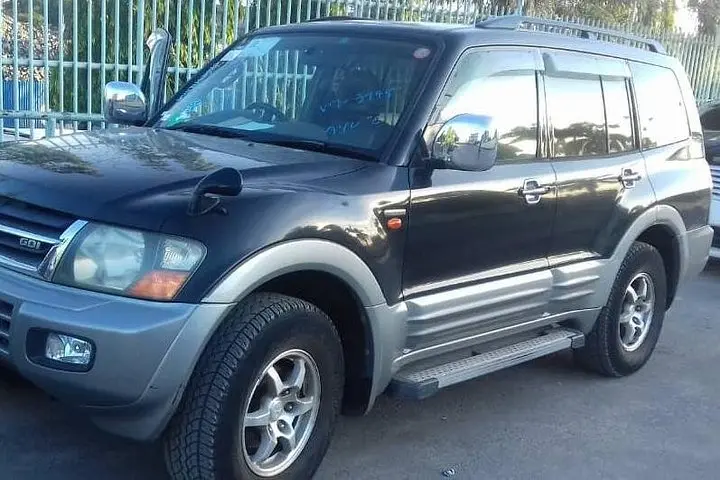
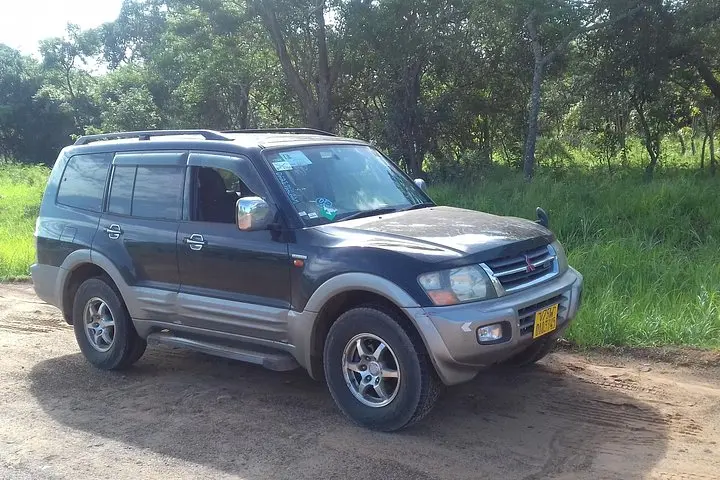
Self-drive from Victoria Falls into Hwange National Park in a hired 4x4 for close-up wildlife viewing. Fuel and driver are not included—plan for long gravel roads, waterholes, and big mammals.
Self-drive from Victoria Falls into Hwange National Park in a hired 4x4 for close-up wildlife viewing. Fuel and driver are not included—plan for long gravel roads, waterholes, and big mammals.
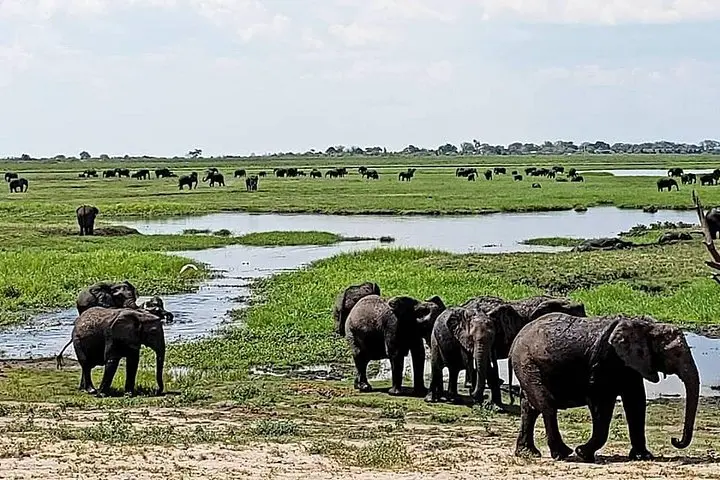
You round the last kopje and the plain opens: a sun-bleached track, tall termite mounds like slow-moving islands, and elephants moving deliberately toward a salt lick that dares you to stop and watch. This self-drive daytrip from Victoria Falls into Hwange National Park trades the comfort of a lodge for the immediacy of the road—your 4x4 becomes both transport and observation platform.
Verified experiences and guided adventures in the surrounding area.
Operated by Safaris Travel Victoria Falls · Hwange, Matabeleland North
You round the last kopje and the plain opens: a sun-bleached track, tall termite mounds like slow-moving islands, and elephants moving deliberately toward a salt lick that dares you to stop and watch. This self-drive daytrip from Victoria Falls into Hwange National Park trades the comfort of a lodge for the immediacy of the road—your 4x4 becomes both transport and observation platform.
Hwange, Zimbabwe’s largest park, sits on ancient Kalahari sands and a patchwork of mopane woodland and grassland shaped by seasonal waterholes. The park’s geology—sandstone ridges and fossil-bearing gravels—supports concentrations of mammals that made Hwange famous during 20th-century colonial safaris, and today local communities around the park maintain a living relationship with wildlife and water access points.
On a typical outing expect long stretches of gravel track, intermittent shade under mopane canopy, and the sudden presence of buffalo, giraffe, lion or elephant near pans. Wildlife viewing rewards patience and quiet, and the park’s sundowner light makes navigation and photography both a pleasure and a challenge.
Practicalities matter: the hire is a 4WD that seats up to five, but fuel, driver/guide, and camping kit are extras; the company provides a spare tyre. Allow 3–24 hours depending on how deep into Hwange you go; plan fuel stops, carry extra water, and check vehicle condition before departure. Midday heat is harsh—start early or aim for late afternoon—and keep permits, insurance, and a charged phone or sat-comm device handy. With preparation, a self-drive to Hwange is immediate, raw, and unforgettable.
No—this hire does not include a driver or guide; you can request one for an additional fee when booking.
Distance to Hwange Main Camp is roughly 100–150 km depending on the gate; drive time ranges from 2–4 hours each way on gravel roads, longer if you explore inside the park.
Park entry fees and any conservation levies are typically not included—confirm with the provider and be prepared to pay at the gate or prebook online where available.
The activity is family-friendly but requires getting in/out of a high 4x4 and may involve long rides; the listing notes wheelchair accessibility but check specific vehicle access and local gate facilities in advance.
Safaris Travel Victoria Falls operates guided outdoor trips and adventures with an emphasis on safety, stewardship, and memorable experiences.
You round the last kopje and the plain opens: a sun-bleached track, tall termite mounds like slow-moving islands, and elephants moving deliberately toward a salt lick that dares you to stop and watch. This self-drive daytrip from Victoria Falls into Hwange National Park trades the comfort of a lodge for the immediacy of the road—your 4x4 becomes both transport and observation platform.
You round the last kopje and the plain opens: a sun-bleached track, tall termite mounds like slow-moving islands, and elephants moving deliberately toward a salt lick that dares you to stop and watch. This self-drive daytrip from Victoria Falls into Hwange National Park trades the comfort of a lodge for the immediacy of the road—your 4x4 becomes both transport and observation platform.
Hwange, Zimbabwe’s largest park, sits on ancient Kalahari sands and a patchwork of mopane woodland and grassland shaped by seasonal waterholes. The park’s geology—sandstone ridges and fossil-bearing gravels—supports concentrations of mammals that made Hwange famous during 20th-century colonial safaris, and today local communities around the park maintain a living relationship with wildlife and water access points.
On a typical outing expect long stretches of gravel track, intermittent shade under mopane canopy, and the sudden presence of buffalo, giraffe, lion or elephant near pans. Wildlife viewing rewards patience and quiet, and the park’s sundowner light makes navigation and photography both a pleasure and a challenge.
Practicalities matter: the hire is a 4WD that seats up to five, but fuel, driver/guide, and camping kit are extras; the company provides a spare tyre. Allow 3–24 hours depending on how deep into Hwange you go; plan fuel stops, carry extra water, and check vehicle condition before departure. Midday heat is harsh—start early or aim for late afternoon—and keep permits, insurance, and a charged phone or sat-comm device handy. With preparation, a self-drive to Hwange is immediate, raw, and unforgettable.