THE ADVENTURE COLLECTIVE® · Independent discovery and booking for outdoor travel

Spend two hours with a local archaeologist exploring Hydra’s cobbled alleys, historic cathedral, and artisan workshops before finishing at sweeping Aegean viewpoints. This compact cultural walk blends maritime history with practical insight on the island’s architecture and daily life.
Spend two hours with a local archaeologist exploring Hydra’s cobbled alleys, historic cathedral, and artisan workshops before finishing at sweeping Aegean viewpoints. This compact cultural walk blends maritime history with practical insight on the island’s architecture and daily life.
You step off the caique and the cobbles answer back — soft clack of sandals, the scrape of a donkey cart somewhere behind a curve. The two-hour Hydra walking tour begins at the island's compact port and moves quickly into a living museum: whitewashed houses, low stone walls, and bougainvillea that leans toward the sea as if trying to catch a glimpse.
Verified experiences and guided adventures in the surrounding area.
Operated by Landlife Travel · Hydra, Attica
You step off the caique and the cobbles answer back — soft clack of sandals, the scrape of a donkey cart somewhere behind a curve. The two-hour Hydra walking tour begins at the island's compact port and moves quickly into a living museum: whitewashed houses, low stone walls, and bougainvillea that leans toward the sea as if trying to catch a glimpse.
An archaeologist leads the route, pointing out Hydra Cathedral and the island’s 18th–19th century merchant heritage. Geology is simple but tangible: granite ridges shaped by ancient tectonics tip into the Aegean, forming the sheltered harbor that made Hydra a maritime power. Culture arrives in detail — workshops where artisans fashion leather and icons, and narrow lanes that once funneled sailors and traders to the waterfront.
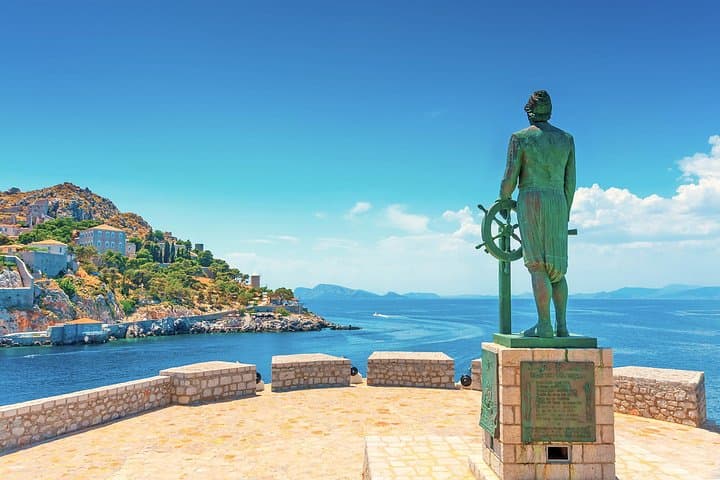
The narrative is compact but rich: stories of sea captains who funded neoclassical mansions, the absence of cars that preserves acoustic clarity, and how the sun scours white facades into a near-blinding palette by midday. The archaeologist times vantage-point stops for the best light, where the Aegean opens like a vast, moving mirror.
Practicalities matter on this intimate stroll. Expect uneven cobblestones and short, steep pitches; comfortable shoes and a light sun layer make the tour breezier. Bring water and a camera with a strap — several viewpoints require a short, secure scramble. The pace is relaxed but continuous: ideal for curious travelers who want history, local craftsmanship, and an immediate sense of place without a long commitment.
The tour lasts two hours and covers a compact area of Hydra town; expect continuous walking over cobblestones with short uphill sections rather than long distances.
Yes — the tour is rated easy and suitable for most ages, though mobility issues with uneven stones or stairs may make parts challenging.
This walking tour focuses on outdoor landmarks and commentary; specific museum or private-site entrance fees are typically not included and will be noted by the guide if applicable.
Tours are led by a local archaeologist — check the booking page for language availability or request accommodations when booking.
Landlife Travel operates guided outdoor trips and adventures with an emphasis on safety, stewardship, and memorable experiences.
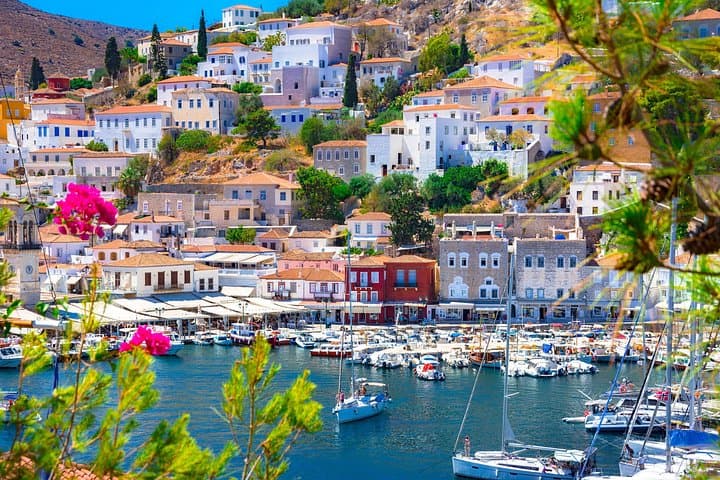

You step off the caique and the cobbles answer back — soft clack of sandals, the scrape of a donkey cart somewhere behind a curve. The two-hour Hydra walking tour begins at the island's compact port and moves quickly into a living museum: whitewashed houses, low stone walls, and bougainvillea that leans toward the sea as if trying to catch a glimpse.
You step off the caique and the cobbles answer back — soft clack of sandals, the scrape of a donkey cart somewhere behind a curve. The two-hour Hydra walking tour begins at the island's compact port and moves quickly into a living museum: whitewashed houses, low stone walls, and bougainvillea that leans toward the sea as if trying to catch a glimpse.
An archaeologist leads the route, pointing out Hydra Cathedral and the island’s 18th–19th century merchant heritage. Geology is simple but tangible: granite ridges shaped by ancient tectonics tip into the Aegean, forming the sheltered harbor that made Hydra a maritime power. Culture arrives in detail — workshops where artisans fashion leather and icons, and narrow lanes that once funneled sailors and traders to the waterfront.
The narrative is compact but rich: stories of sea captains who funded neoclassical mansions, the absence of cars that preserves acoustic clarity, and how the sun scours white facades into a near-blinding palette by midday. The archaeologist times vantage-point stops for the best light, where the Aegean opens like a vast, moving mirror.
Practicalities matter on this intimate stroll. Expect uneven cobblestones and short, steep pitches; comfortable shoes and a light sun layer make the tour breezier. Bring water and a camera with a strap — several viewpoints require a short, secure scramble. The pace is relaxed but continuous: ideal for curious travelers who want history, local craftsmanship, and an immediate sense of place without a long commitment.