THE ADVENTURE COLLECTIVE® · Independent discovery and booking for outdoor travel

Taste historic pisco and Peruvian wines in Ica’s sun-baked valleys on a guided small-group tour. Visit centuries-old haciendas, modern distilleries, and artisanal bodegas while learning local history and production techniques.
Taste historic pisco and Peruvian wines in Ica’s sun-baked valleys on a guided small-group tour. Visit centuries-old haciendas, modern distilleries, and artisanal bodegas while learning local history and production techniques.
Sunlight flattens the coastal desert but the vineyards of Ica push a ribbon of green across the valley floor, rows of low vines rippling toward the Andes’ distant silhouette. On this small-group tour you move between shaded hacienda courtyards and stainless-steel distilleries, the air carrying both dust and the sharp citrus of fresh pisco.
Verified experiences and guided adventures in the surrounding area.
Operated by Visitemos Perú · Ica, Ica
Sunlight flattens the coastal desert but the vineyards of Ica push a ribbon of green across the valley floor, rows of low vines rippling toward the Andes’ distant silhouette. On this small-group tour you move between shaded hacienda courtyards and stainless-steel distilleries, the air carrying both dust and the sharp citrus of fresh pisco.
The valley’s viticultural story begins in the 16th century when Spanish settlers planted the first European vines; Tacama’s estate preserves that lineage with stone cellars and an 18th-century hacienda. Geologically, Ica is an arid alluvial plain—sandy soils, strong sun and cool night breezes concentrate sugars in the grapes and shape both local wines and the fragrant, clear spirit known as pisco.
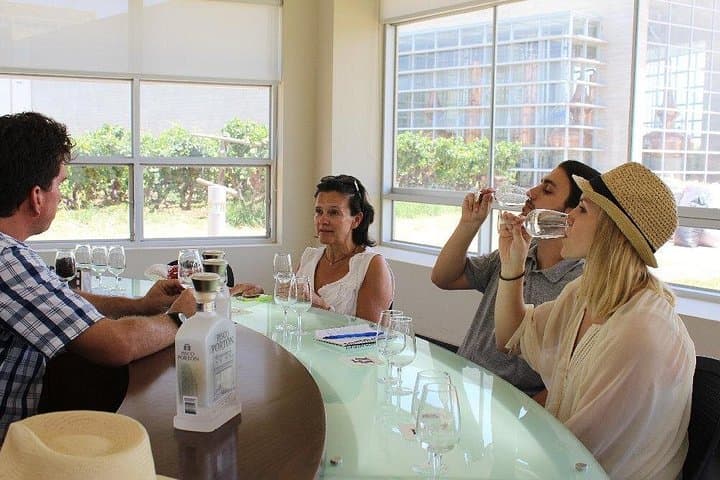
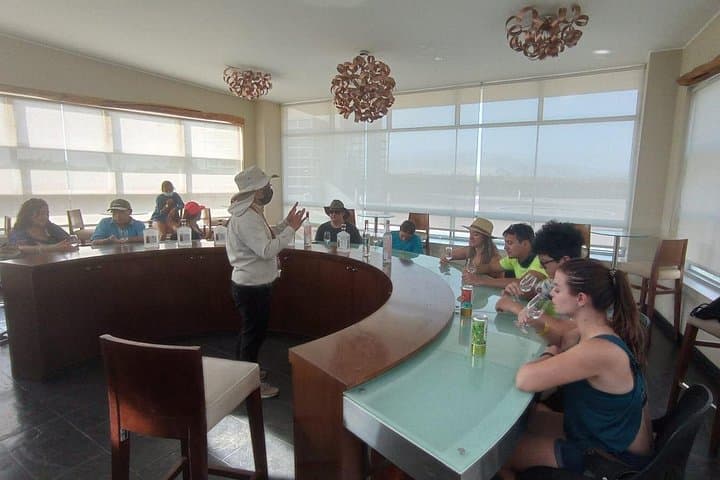
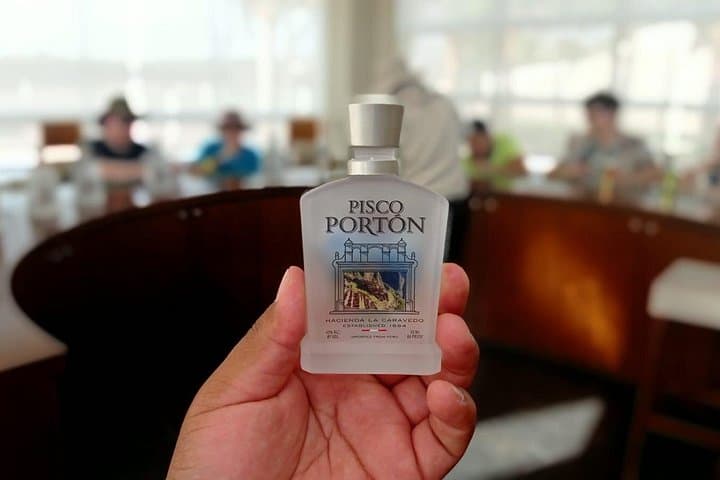
Culturally the region blends indigenous and colonial practices: traditional grape-treading appears in late summer, while modern distillation runs year-round. The tour typically includes visits to historic facilities, a modern distillery, and an artisanal bodega, with guided tastings of table wines and several pisco varieties.
Practical notes: allow 3–4 hours, wear sun protection and closed-toe shoes for uneven cellar floors, and budget for water between tastings. Transportation is provided; check pickup details and confirm any dietary needs ahead of time. Keep tasting pace steady—sip, taste water, and ask guides about varietals and production methods. Whether you arrive for the history or the flavors, the experience is a compact, walkable primer on why Ica remains central to Peru’s wine and pisco scene.
Yes, private transportation is listed as included—confirm your pickup point when you book.
Infants and small children can ride in a stroller, but tastings are for adults only; infants must sit on an adult’s lap.
You can opt out of tastings or request smaller pours; guides typically accommodate guests who prefer minimal sampling.
Some areas have uneven floors and steps; accessibility varies by facility—ask the provider about specific access needs before booking.
Visitemos Perú operates guided outdoor trips and adventures with an emphasis on safety, stewardship, and memorable experiences.

Sunlight flattens the coastal desert but the vineyards of Ica push a ribbon of green across the valley floor, rows of low vines rippling toward the Andes’ distant silhouette. On this small-group tour you move between shaded hacienda courtyards and stainless-steel distilleries, the air carrying both dust and the sharp citrus of fresh pisco.
Sunlight flattens the coastal desert but the vineyards of Ica push a ribbon of green across the valley floor, rows of low vines rippling toward the Andes’ distant silhouette. On this small-group tour you move between shaded hacienda courtyards and stainless-steel distilleries, the air carrying both dust and the sharp citrus of fresh pisco.
The valley’s viticultural story begins in the 16th century when Spanish settlers planted the first European vines; Tacama’s estate preserves that lineage with stone cellars and an 18th-century hacienda. Geologically, Ica is an arid alluvial plain—sandy soils, strong sun and cool night breezes concentrate sugars in the grapes and shape both local wines and the fragrant, clear spirit known as pisco.
Culturally the region blends indigenous and colonial practices: traditional grape-treading appears in late summer, while modern distillation runs year-round. The tour typically includes visits to historic facilities, a modern distillery, and an artisanal bodega, with guided tastings of table wines and several pisco varieties.
Practical notes: allow 3–4 hours, wear sun protection and closed-toe shoes for uneven cellar floors, and budget for water between tastings. Transportation is provided; check pickup details and confirm any dietary needs ahead of time. Keep tasting pace steady—sip, taste water, and ask guides about varietals and production methods. Whether you arrive for the history or the flavors, the experience is a compact, walkable primer on why Ica remains central to Peru’s wine and pisco scene.