THE ADVENTURE COLLECTIVE® · Independent discovery and booking for outdoor travel

Step off the bus and into a small wooden sauna on a forest lake 20 minutes from central Stockholm. Alternate hot steam with an optional plunge into the ice — a sharp, controlled shock followed by deep relaxation, capped by a warm, locally sourced lunch.
Step off the bus and into a small wooden sauna on a forest lake 20 minutes from central Stockholm. Alternate hot steam with an optional plunge into the ice — a sharp, controlled shock followed by deep relaxation, capped by a warm, locally sourced lunch.
The bus eases out of the city and the glass and steel of Stockholm fall away to a stand of scrawny pines and a black, cold lake rimmed in snow. You step off near Slussen, follow a five‑minute forest trail, and find a small wooden sauna that smells of hot resin and cedar — the promise of heat before the lake dares you back to life.
Verified experiences and guided adventures in the surrounding area.
Operated by Alexandra · Nacka, Stockholm County
The bus eases out of the city and the glass and steel of Stockholm fall away to a stand of scrawny pines and a black, cold lake rimmed in snow. You step off near Slussen, follow a five‑minute forest trail, and find a small wooden sauna that smells of hot resin and cedar — the promise of heat before the lake dares you back to life.
Sauna and cold-water immersion are woven into Nordic life: a practical ritual for circulation, recovery and social resetting. The forest lakes around Stockholm were carved by ice during the last glacial period, leaving shallow basins that freeze clean and quickly, which is why ice-bathing has been practiced here since at least the 19th century when the area began to develop as a recreation ground. The nearby café — a local fixture for decades — keeps a fireplace roaring and serves simple, locally sourced lunches that feel earned.
Practically speaking, expect a guided cycle of hot-steam sessions interspersed with short dips or full-entry ice-bath attempts. Saunas are generally separated by gender with specific mixed times; padlocks are supplied for lockers and towels are usually an extra. The full experience runs about 3–4 hours and is suitable for most people, but those with cardiovascular or spinal issues should avoid immersion. Bring swimwear, a sturdy water bottle, warm layers for after, and plan to move deliberately between hot and cold to manage your heart rate. Timing your visit for daylight in winter or a clear early‑spring afternoon gives the best mix of light and temperature contrast.
This is simple, direct outdoor wellness: wood-fired heat, a bite of Arctic water, and a warm lunch to seal the experience.
For healthy adults, guided, short-duration immersion with gradual acclimation is generally safe; avoid immersion if you have heart, circulatory, or spinal conditions and consult a doctor first.
Padlocks for lockers are provided; towels are usually available for an additional fee, so bringing your own is recommended.
Meet at Slussen and take local public transport—buses or short commuter links—to the recreation area; the host will confirm exact meeting logistics in advance.
Partial immersion or cold-water splashes are acceptable; guides will explain options and pacing so you can participate at your comfort level.
Alexandra operates guided outdoor trips and adventures with an emphasis on safety, stewardship, and memorable experiences.
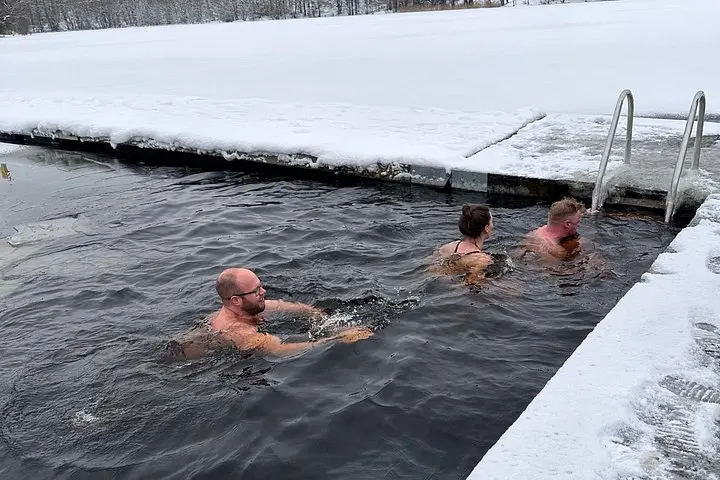
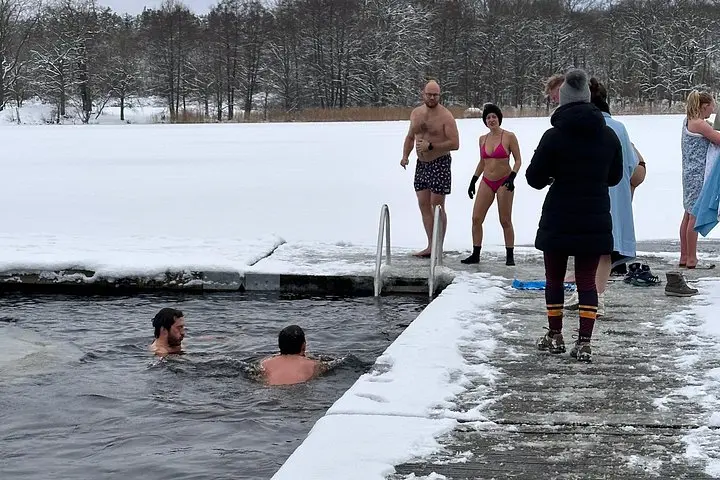
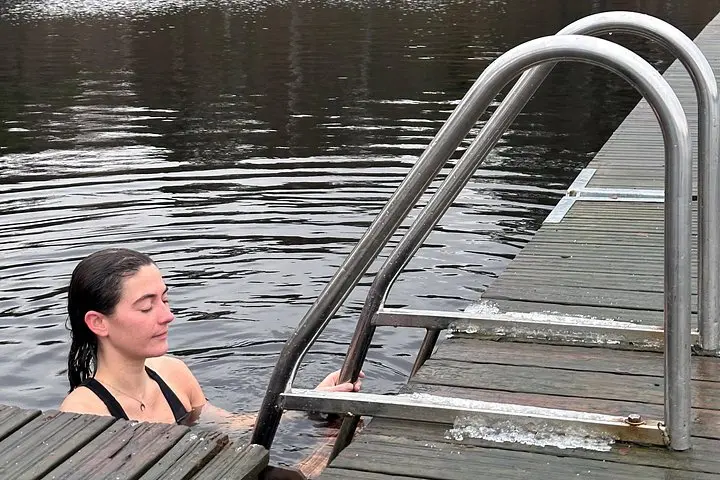
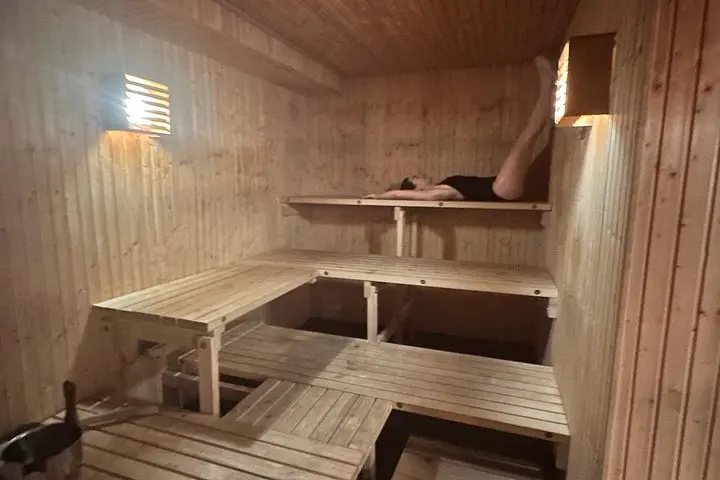
The bus eases out of the city and the glass and steel of Stockholm fall away to a stand of scrawny pines and a black, cold lake rimmed in snow. You step off near Slussen, follow a five‑minute forest trail, and find a small wooden sauna that smells of hot resin and cedar — the promise of heat before the lake dares you back to life.
The bus eases out of the city and the glass and steel of Stockholm fall away to a stand of scrawny pines and a black, cold lake rimmed in snow. You step off near Slussen, follow a five‑minute forest trail, and find a small wooden sauna that smells of hot resin and cedar — the promise of heat before the lake dares you back to life.
Sauna and cold-water immersion are woven into Nordic life: a practical ritual for circulation, recovery and social resetting. The forest lakes around Stockholm were carved by ice during the last glacial period, leaving shallow basins that freeze clean and quickly, which is why ice-bathing has been practiced here since at least the 19th century when the area began to develop as a recreation ground. The nearby café — a local fixture for decades — keeps a fireplace roaring and serves simple, locally sourced lunches that feel earned.
Practically speaking, expect a guided cycle of hot-steam sessions interspersed with short dips or full-entry ice-bath attempts. Saunas are generally separated by gender with specific mixed times; padlocks are supplied for lockers and towels are usually an extra. The full experience runs about 3–4 hours and is suitable for most people, but those with cardiovascular or spinal issues should avoid immersion. Bring swimwear, a sturdy water bottle, warm layers for after, and plan to move deliberately between hot and cold to manage your heart rate. Timing your visit for daylight in winter or a clear early‑spring afternoon gives the best mix of light and temperature contrast.
This is simple, direct outdoor wellness: wood-fired heat, a bite of Arctic water, and a warm lunch to seal the experience.