THE ADVENTURE COLLECTIVE® · Independent discovery and booking for outdoor travel

Experience Khuvsgul Lake’s Ice Festival: an intense, cultural winter event with ice marathons, horse sled races, ice carving and nomadic hospitality. This multi-day trip pairs rugged winter landscapes with traditional Mongolian ceremonies and active events on natural black ice.
Experience Khuvsgul Lake’s Ice Festival: an intense, cultural winter event with ice marathons, horse sled races, ice carving and nomadic hospitality. This multi-day trip pairs rugged winter landscapes with traditional Mongolian ceremonies and active events on natural black ice.
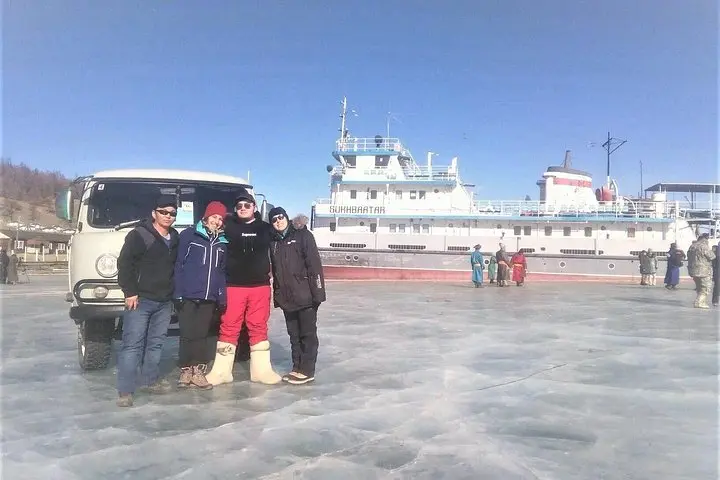
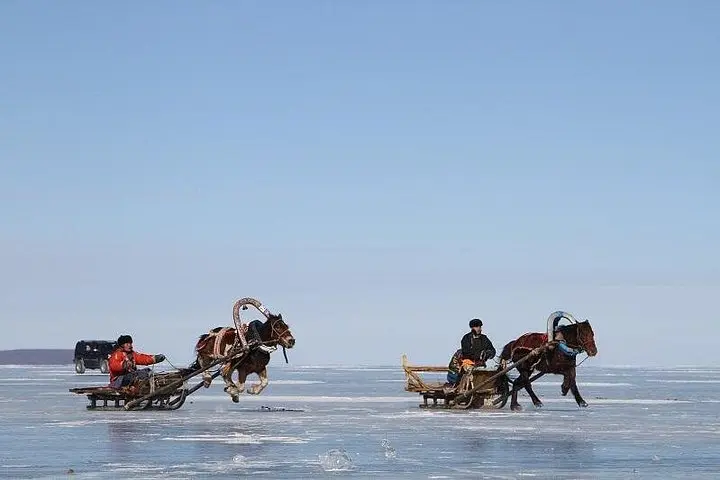
The sun sits low over Khuvsgul’s glassy surface and the wind scours the plains into a clean, crystalline quiet. On festival mornings, horse sleds and dog teams etch bright tracks across the black ice while steam from hot tea drifts from nomad gers. You arrive to a parade of carved ice, throat-singing, and the raw, cold slap of Mongolia’s north.
Verified experiences and guided adventures in the surrounding area.
Operated by Top Tours Mongolia · Khatgal, Khuvsgul
The sun sits low over Khuvsgul’s glassy surface and the wind scours the plains into a clean, crystalline quiet. On festival mornings, horse sleds and dog teams etch bright tracks across the black ice while steam from hot tea drifts from nomad gers. You arrive to a parade of carved ice, throat-singing, and the raw, cold slap of Mongolia’s north.
Khuvsgul Lake is geologically young compared with Central Asia’s mountain ranges — a deep rift lake fed by glaciers and mountain streams — and its clear ice can be meters thick in February. The Ice Festival mixes winter sport with nomadic culture: ankle-bone games, ice-sumo, and shamanic rituals that underline a long history of reindeer herding and seasonal migration in the region.
Expect communal warmth: local families open gers for meals, and small towns like Khatgal serve as staging points. The drive north crosses volcanic plateaus and pine-clad slopes, offering sudden views of distant peaks and the occasional wild horse on the steppe.
Practical guidance: dress for temperatures well below freezing in layered, windproof clothing and bring insulated boots with good traction. Keep electronics warm and carry cash; services are basic outside larger towns. Allow flexible travel time — winter roads and weather determine schedules.
For active travelers the festival is equal parts spectacle and expedition: short skating loops on natural ice, horse-sledge races, and guided hikes to shoreline viewpoints. Respect local customs, follow guides on ice safety, and savor the unexpected — a bonfire, a throat-song, the slow pull of a sled under a wide, cold sky.
The festival typically takes place in late February when lake ice is at its thickest and weather conditions support outdoor racing and events.
Organizers mark safe, maintained areas for events — always follow guide instructions; avoid unmarked shorelines and pressure ridges.
Moderate fitness is sufficient for festival activities, but you should be comfortable with cold conditions, short hikes, and long drives between sites.
Yes — homestays and visits are part of the itinerary; follow local etiquette, ask before photographing, and bring small gifts or snacks as a courtesy.
Top Tours Mongolia operates guided outdoor trips and adventures with an emphasis on safety, stewardship, and memorable experiences.
The sun sits low over Khuvsgul’s glassy surface and the wind scours the plains into a clean, crystalline quiet. On festival mornings, horse sleds and dog teams etch bright tracks across the black ice while steam from hot tea drifts from nomad gers. You arrive to a parade of carved ice, throat-singing, and the raw, cold slap of Mongolia’s north.
The sun sits low over Khuvsgul’s glassy surface and the wind scours the plains into a clean, crystalline quiet. On festival mornings, horse sleds and dog teams etch bright tracks across the black ice while steam from hot tea drifts from nomad gers. You arrive to a parade of carved ice, throat-singing, and the raw, cold slap of Mongolia’s north.
Khuvsgul Lake is geologically young compared with Central Asia’s mountain ranges — a deep rift lake fed by glaciers and mountain streams — and its clear ice can be meters thick in February. The Ice Festival mixes winter sport with nomadic culture: ankle-bone games, ice-sumo, and shamanic rituals that underline a long history of reindeer herding and seasonal migration in the region.
Expect communal warmth: local families open gers for meals, and small towns like Khatgal serve as staging points. The drive north crosses volcanic plateaus and pine-clad slopes, offering sudden views of distant peaks and the occasional wild horse on the steppe.
Practical guidance: dress for temperatures well below freezing in layered, windproof clothing and bring insulated boots with good traction. Keep electronics warm and carry cash; services are basic outside larger towns. Allow flexible travel time — winter roads and weather determine schedules.
For active travelers the festival is equal parts spectacle and expedition: short skating loops on natural ice, horse-sledge races, and guided hikes to shoreline viewpoints. Respect local customs, follow guides on ice safety, and savor the unexpected — a bonfire, a throat-song, the slow pull of a sled under a wide, cold sky.